
Anyone washing small loads of shirts
You regularly wash a few shirts after training or matches and want the capacity and running costs to suit these recurring loads. Milieu Centraal explains how drum loading affects efficient washing.


Choose a washing machine with temperature settings, spin speeds and programmes that suit your club shirts’ care labels. Then compare how it handles the small load you typically wash. A quick programme can be useful when you need the shirts again soon, but check its maximum load and don’t assume an energy label guarantees the same consumption or washing results for every small sportswear load.
You regularly wash a few shirts after training or matches and want the capacity and running costs to suit these recurring loads. Milieu Centraal explains how drum loading affects efficient washing.
Your main concern is finding a wash cycle that suits shirts with names, numbers or badges. Nike recommends checking the care label when looking after jerseys.
You need the shirts again soon, so compare short programmes by their permitted load and suitability for the fabric, not just their duration. Consumentenbond, Bosch and TCL describe programmes and conditions for use.
Start with the care labels and the amount you usually wash. Then compare the programme settings, usage information and available space.
| What to consider | What to look for | Who is this important for? |
|---|---|---|
| Efficient washing with small loads | Compare your usual load with the machine’s capacity; check whether it adjusts to the load and look at the consumption of the programme you’ll actually use. | If I often wash just a few shirts, I want to know how the machine handles a load like that; around 26% of consumers give top priority to efficient washing of small loads. |
| Protecting the shirt and print | Check the temperature and spin speed, as well as the chosen programme’s suitability for the fabric and maximum load. | For shirts with names, numbers or badges, I want to be able to match the settings to the care label; around 26% of consumers put protecting the shirt and print first. |
| Getting shirts ready again quickly | Check the short cycle’s maximum load, temperature and suitability for the fabric. | If the shirts need to be ready before they’re next needed, I look at the whole cycle, not just the programme name; around 21% of consumers give having their clothes ready again quickly top priority. |
| Purchase and running costs | Compare energy labels on a like-for-like basis and also look at information for programmes designed for small loads. | I compare the purchase price and running costs for my own washing routine; around 16% of consumers put overall costs first. |
| Space and installation | Measure the space, allowing room for the door and hoses; check the external dimensions and installation requirements. | If space is limited, I want to know in advance whether the machine will fit in practice; around 11% of consumers give suitable dimensions and installation top priority. |
A special programme may have a lower maximum load than the machine itself. Bosch lists a maximum load of 3,5 kg for SuperKort 30', while the WGG04407NL has a maximum capacity of 9,0 kg.
Check the programme table for the exact model and the cycle you plan to use for your shirts.
Label information is intended to help you compare machines on a standardised basis; the programme you choose and the amount of laundry affect consumption.
Compare label information on a like-for-like basis, then check separately what information is available about programmes suitable for your shirts.
A washing programme’s function does not replace the shirt’s care instructions.
Always follow the shirt’s care label first, then check the temperature, spin speed and suitability of the chosen cycle for the fabric.
According to Bosch, the WGG04407NL combines a sports programme and adjustable settings with a short cycle.
The 6000 ProSense LF62CB86 is an 8 kg option to consider if you want to look at load adjustment for varying amounts of laundry.
The WG66B2ABNL is aimed at households that wash larger loads as well as shirts.
The official European FF0610WB0 model offers an example of a compact option, with a 6 kg capacity and a 15-minute programme.
These products range from mini washing machines for very small loads to front-loaders with programmes for regular washing.
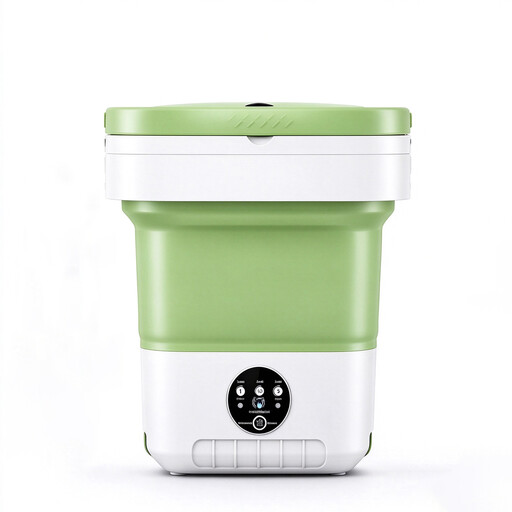 No image available
Could suit very small loads that stay within this model’s maximum capacity.
Maximum 1,5 kg per wash; the product description lists an included spin-drying basket.
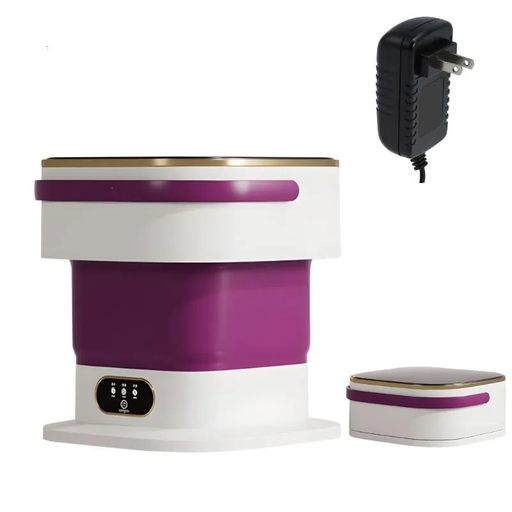 No image available
Could suit very small loads that stay within this model’s maximum capacity.
Maximum 1,9 kg per wash; the product description lists an included spin-drying basket.
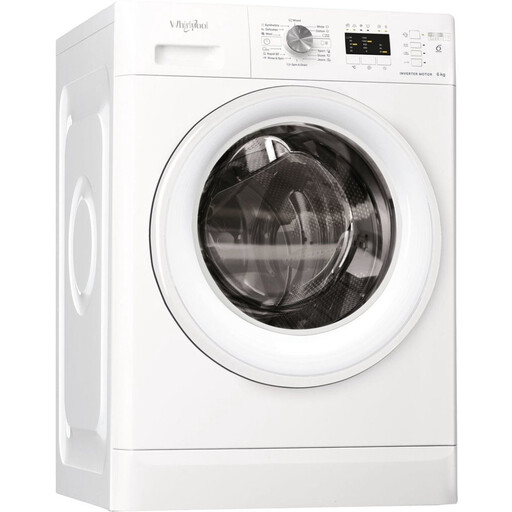 No image available
A front-loader to consider if you’re looking for a machine with a 6 kg capacity and a short programme; check that the cycle suits your shirts and load size.
The product listing specifies 1200 RPM and 14 programmes, including Fast.
 No image available
Could be worth considering if you’re looking for a compact front-loader with a short cycle; check the programme limits for your shirts.
The product title lists a 15-minute Quick Wash and energy rating B. According to the product description, Auto Weight adjusts water consumption and cycle time to the weight of the load.
No. First check the care label on the specific shirt, then check the programme’s temperature, spin speed, permitted load and suitability for the fabric. For jersey care, Nike recommends turning the shirt inside out before washing, among other advice; that doesn’t mean every programme is suitable.
It depends on the permitted load and whether the cycle is suitable for the fabric. Check the programme table for your chosen model and compare the cycle with the care label; a short duration alone doesn’t tell you whether the programme is right for your shirts.
Not necessarily. Milieu Centraal explains that a larger machine’s per-kilo advantage can be lost if you don’t fill it properly. So compare the drum capacity, any load adjustment and the programme you plan to use for small loads.
Use the label to compare machines on the standardised labelling basis, not as an exact prediction for your shirt wash. Energielabel.nl explains the label information; the programme and amount of laundry affect consumption.
Follow the cleaning instructions for your chosen model. Milieu Centraal recommends running a wash at 60 °C once a month to help prevent soap and dirt residue and unpleasant smells. This is advice for maintaining the machine, not a temperature recommendation for club shirts.