
Residents who wash uniforms separately
If you share a machine, you may sometimes need to wash uniforms with different care labels or colours separately. So look at the available programmes and their load limits, not just the maximum capacity in kg.


First, choose a programme that suits the uniform care labels, then decide what drum capacity is right for the loads your housemates actually wash together. A larger drum is most useful when residents regularly combine their laundry; if uniforms are washed separately, the programme’s load limit, available space and spin noise also matter. Compare energy use on the same eco 40-60 label basis, and check the installation requirements and connections before you buy.
If you share a machine, you may sometimes need to wash uniforms with different care labels or colours separately. So look at the available programmes and their load limits, not just the maximum capacity in kg.
If housemates regularly combine their laundry, it’s important to choose a drum capacity that suits the loads they usually wash. A larger capacity is less useful if you rarely make the most of it.
Check the space needed for the door or lid to open, the access route and the connections. The floor surface and noise during the spin cycle may also matter in a shared home.
Start with the care labels and the loads you’ll actually wash together. Then assess the programmes, capacity, installation space and energy use in that order.
| What to consider | What should you check? | Who should pay particular attention? |
|---|---|---|
| Washing according to the uniform care label | Check the care labels and make sure the machine has a suitable programme, along with an appropriate load limit. | If I need to wash uniforms made from different fabrics separately, I want to be able to choose a suitable programme. Around 26% of consumers say caring for uniforms is their top buying priority. |
| Capacity for shared laundry | Weigh a typical load and compare it with the cotton capacity and the load limits of the programmes you need. According to Consumentenbond, the stated capacity applies to cotton. | If housemates can combine their laundry, I want a drum that suits our usual load without being unnecessarily large. Around 21% of consumers prioritise shared loads. |
| Installation space and noise | Measure the space, access route and room needed to open the door or lid. Check the floor surface too, and compare noise levels on the same measurement basis. | If the machine is going in a cramped or shared space, I want to know it will fit and take the spin cycle into account. This is the top buying priority for around 16% of consumers. |
| Purchase and running costs | Compare the purchase price separately from energy use in kWh per 100 eco 40-60 cycles and water use in litres per cycle. These label figures apply to the eco 40-60 programme. | If we’re sharing the cost of the purchase, I want to consider both the upfront price and ongoing costs. Around 21% of consumers prioritise the total cost. |
| Having uniforms ready on time | Check the programme duration and maximum load in the manual. A quick wash programme isn’t automatically suitable for every fabric or load. | If a uniform needs to be clean on time, I want to be able to plan a suitable wash around the shared schedule. Wash time is the top buying priority for around 16% of consumers. |
The stated capacity applies to cotton; other programmes may have their own load limits. This matters when uniforms are washed separately.
Compare your usual load with the programme-specific load limit in the manual. Consumentenbond explains that the stated capacity refers to a cotton wash.
The energy and water figures on a washing machine’s label are based on eco 40-60. They don’t predict the consumption of every other programme.
Compare labels on the same basis, and check which programme and load you’ll actually use for uniforms. Consumentenbond explains what the eco 40-60 label figures cover.
A top-loader needs enough space above it to open. Every machine also needs a suitable floor surface and the right connections.
Measure the access route and the space needed to open the door or lid, too. Before installation, check the water supply, drain and earthed socket as instructed in the manual.
The BM3WFU38412CW is a front-loader with an 8 kg capacity and programmes for synthetics, delicates, shirts and quick washes, among others. It may be worth considering if both programme choice and shared capacity matter.
The Serie 2 WGE02404NL is a front-loader with a 7 kg capacity. It may suit you if smaller shared loads are enough.
The LTR7573A is a top-loader with a 7 kg capacity. A top-loader may be a good option if access from above suits your installation space.
The F4X1009NWB is a front-loader with a 9 kg capacity. It may be worth considering if residents regularly wash larger shared loads.
These Joybuy picks are relevant for washing school uniforms, matching programmes to different types of clothing and weighing capacity against the space available.
 No image available
A front-loader with programmes for cotton and wool, among other fabrics, may suit you if you wash different types of clothing.
The product information lists 16 programmes, a depth of 400 mm and an adjustable spin speed of 800–1400 rpm. The 15-minute programme is designed for small, lightly soiled loads.
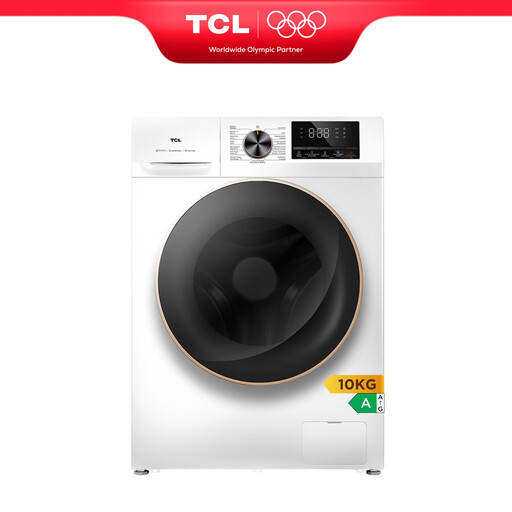 No image available
The programmes and delayed end time may be useful if you wash different types of clothing and need to plan loads with housemates.
The product information lists 15 programmes and a 15-minute quick wash for lightly soiled laundry. Check that the selected programme and load are suitable for each garment.
 No image available
The stated capacity and dimensions may be useful if you’re looking for a front-loader for a smaller space and load.
The product title lists a depth of 45 cm, energy label B and a 15-minute quick wash. The capacity is 6 kg; check the load limit for the programme you need.
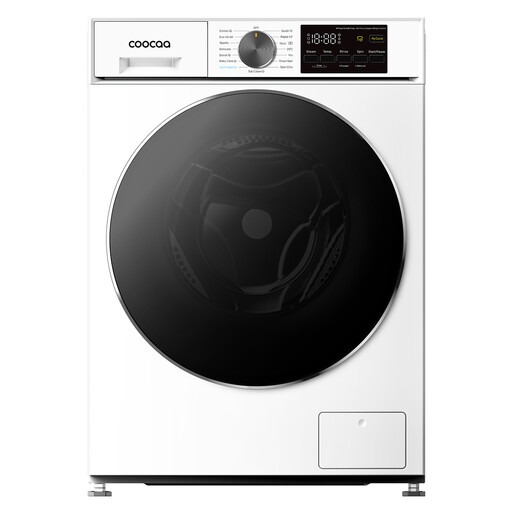 No image available
The capacity may suit residents who regularly wash larger shared loads; a quick wash can be useful when a suitable short cycle is needed.
The product information lists 15 programmes, a maximum spin speed of 1400 rpm and a 15-minute quick wash for lightly soiled clothes.
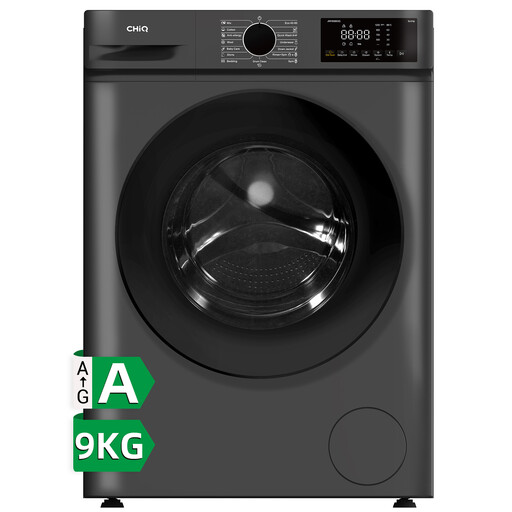 No image available
The capacity may suit housemates who often combine their laundry. Check that you have enough space before choosing a front-loader.
The product information lists a maximum spin speed of 1400 rpm, a depth of 57,7 cm and 16 programmes, including steam and Allergy Care.
No. According to Consumentenbond, eco 40-60 is designed for normally soiled cotton laundry that the care label says can be washed at 40 or 60 °C. For other uniform fabrics or care instructions, follow the garment’s care label and choose a suitable programme.
Make sure the machine is on a flat, firm surface and that the water supply, drain and earthed socket are suitable. Remove the transit bolts and level the machine according to the manual.
According to the Dutch government, the retailer must provide a solution if there’s a problem with a product. An additional manufacturer’s guarantee or paid-for warranty doesn’t replace this statutory right.
Yes. For a new household washing machine covered by EU labelling rules, the relevant energy label must also be clearly displayed online. The current EU energy label for household washing machines runs from A to G; this labelling requirement doesn’t apply to second-hand products. The European Union’s Your Europe website explains the rules for online sales.