
Costume manager dealing with different details
Washes cotton rehearsal clothes that may have different care labels, decorations or linings. GINETEX advises checking what is suitable for the complete garment first.


First, check the care labels on the complete costume. The fabric being cotton doesn’t automatically mean that the decorations, lining or whole garment can be machine-washed. Then choose a drum size that suits your usual sorted load. If time matters, compare the duration and permitted load of the programme suitable for those garments.
Washes cotton rehearsal clothes that may have different care labels, decorations or linings. GINETEX advises checking what is suitable for the complete garment first.
Has a lot of washing to do after rehearsals or a trip and wants a drum that suits their usual load once sorted. Milieu Centraal advises choosing a capacity that matches the amount of washing you do.
Needs the costumes ready again quickly, so compares the duration and permitted load of programmes suitable for the garments.
Start with the care labels on the complete costumes. Then compare your usual sorted load with the drum capacity and the load limit of the programme you actually plan to use.
| What to consider | What should you look for? | Who is this important for? |
|---|---|---|
| Washability and details | Check the care labels on the complete costume and the load limit for the suitable cotton or delicates programme. | If I’m unsure about decorations, lining or the permitted treatment, I want to know which programme is suitable for the complete garment first. Around 26% of consumers put textile care first. |
| Weekend load | Compare the sorted load with both the nominal capacity and the maximum load for the programme you’ve chosen. | If a lot of washing comes back after a weekend, I want a drum that suits my regular sorted load. Around 26% of consumers are mainly looking for a machine that can handle a large weekend load. |
| Quick turnaround | Compare programme duration, suitability for the fabric and permitted load; don’t rely on a short programme name alone. | When the next rehearsal is soon, I want to know whether a suitable programme can handle the load in question. Around 21% of consumers put a quick turnaround first. |
| Consumption | Compare energy label figures on the same eco 40-60 basis; these figures don’t automatically describe other programmes. | If I wash frequently, I want to be able to weigh up the consumption of suitable programmes without assuming that label figures apply to every costume wash. Around 16% of consumers put regular energy consumption first. |
| Positioning and connection | Measure the available space and delivery route, and check the model dimensions and installation instructions. | If space is tight, I want to make sure first that the machine will fit in the intended spot and can be connected. Around 11% of consumers put positioning first. |
The washing symbol applies to the permitted treatment of the garment, not just the fibre used in the outer fabric.
Sort complete costumes according to their care labels before choosing a programme.
A larger capacity isn’t automatically an advantage if you usually only partially fill the machine for everyday washes. Sorting may also split the weekend load into smaller loads.
Base your choice on regular sorted loads, and check the maximum load for the programmes you need.
Short programmes have their own conditions. The energy label uses the eco 40-60 measurement basis and doesn’t automatically tell you how much other cycles consume.
Compare duration, load and fabric suitability together; only compare consumption figures measured on the same basis.
The stated dimensions must fit both the available space and the delivery route. Transport bolts must be removed before use, as explained in the installation instructions.
Measure in advance and check the manual and connections for the model you’ve chosen.
The WGG246ZWNL is an example of a front-loader with a stated capacity of 9 kg.
The W1 WWE380 WCS PWash&Steam&8kg is an example with a stated capacity of 8 kg and several programme options.
The BM3WFT3841W is an example with cotton, delicates and quick programmes.
The 7000 ProSteam LR7694E4 is an example with a stated capacity of 9 kg and a range of programmes.
The WW90DG6U25LKU3 is an example with a stated capacity of 9 kg.
These models are worth considering when weighing up drum capacity and programme options for sorted weekend loads and costumes you may need again quickly. Always check that the programme you choose is suitable for the care label and the size of the load.
 No image available
The stated drum capacity gives you a starting point for comparing the machine with your usual sorted load; also check the load limit for the programme suitable for the costume.
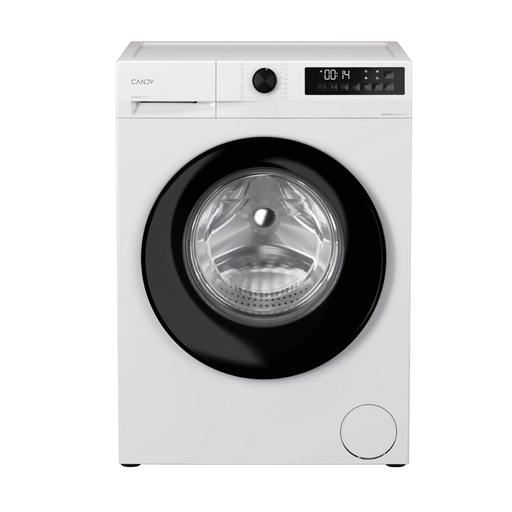 No image available
Compare the stated capacity with your load once it’s sorted, and check that the programme you need is suitable for the garments.
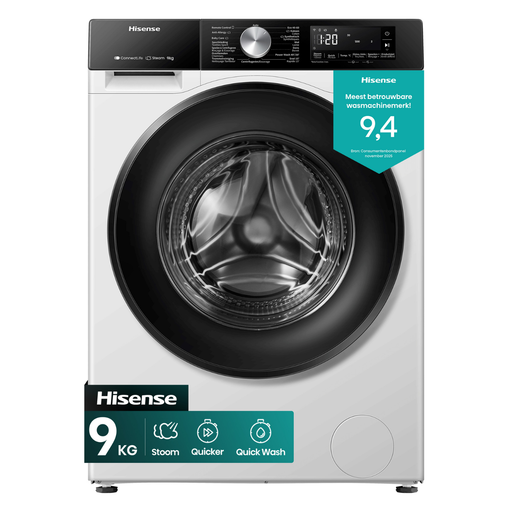 No image available
The nominal capacity helps you compare the machine with a sorted weekend load; don’t assume that every programme allows the full load.
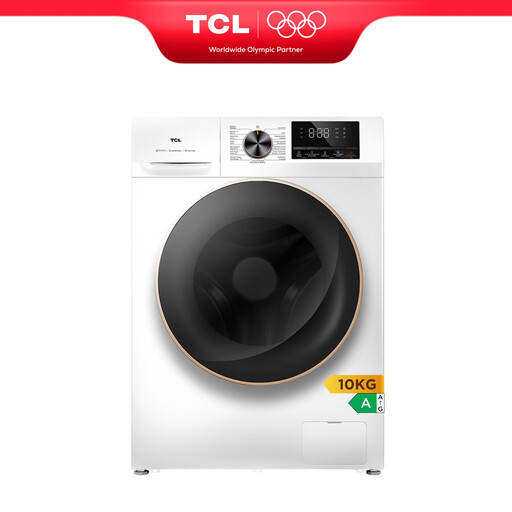 No image available
A drum of this stated capacity can be compared with a larger sorted load; check that the cycle you want is suitable for the fabric and the actual load size.
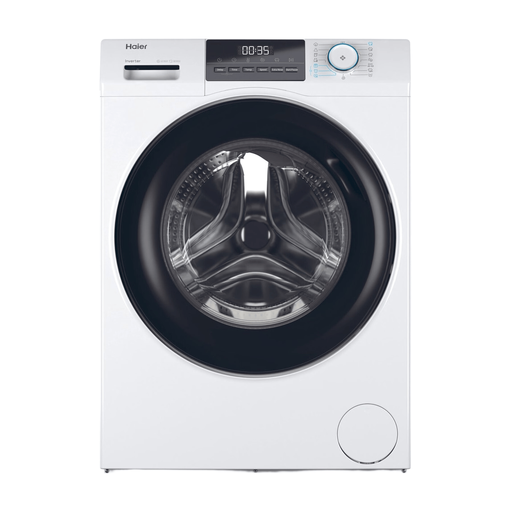 No image available
Compare the stated capacity with your sorted load and check the maximum load for the programme suitable for the costume.
No, not simply because the costume contains cotton. Check the care label on the complete garment for the permitted treatment. The European Commission describes eco 40-60 as being for normally soiled cotton garments labelled as washable at 40 °C or 60 °C.
Follow the installation instructions for your specific model. Bosch recommends, among other things, a stable surface, suitable water supply and drainage, an earthed socket and removing the transport bolts before first use. Milieu Centraal recommends running a 60-degree wash periodically to reduce soap and dirt residue in the machine; this isn’t an instruction to wash delicate costumes at 60 degrees.
According to the Dutch government, you can ask the seller to repair or replace the product if it isn’t working properly. Consider any manufacturer’s or motor warranty separately from your statutory rights.
Washing machines must carry an energy label. According to the Dutch government, the free take-back scheme applies to private customers who buy a new, similar machine, including online purchases. This scheme doesn’t apply to businesses; clubs and costume departments should check the arrangements for their own purchase and disposal.