
If you wash small loads
You want to wash a few pillowcases after a weekend away and need a capacity that also suits your usual laundry routine. The Dutch Consumers’ Association and Milieu Centraal recommend matching the drum to your typical load.


Don’t choose a machine based solely on a few pillowcases. Match the drum capacity to the laundry you usually wash at home. The Dutch Consumers’ Association and Milieu Centraal recommend choosing a capacity that suits your typical load, then selecting programmes permitted by the care label. A quick wash isn’t automatically suitable for a full drum or for when you want a hygienic clean.
You want to wash a few pillowcases after a weekend away and need a capacity that also suits your usual laundry routine. The Dutch Consumers’ Association and Milieu Centraal recommend matching the drum to your typical load.
You want to wash your pillowcases in a way that’s suitable for their care label, so you’re looking beyond a programme called Eco 40-60.
You need your pillowcases back quickly and want to know what load size and conditions apply to the quick programme.
Start with the amount of laundry you usually wash, then check which programmes suit the fabric and the time you have available. These checks are in line with advice from the Dutch Consumers’ Association and Milieu Centraal.
| What to consider | What should you check? | Who is this important for? |
|---|---|---|
| Drum capacity | Compare the stated load capacity with a typical load; also check the maximum load for the programme you want to use. | If I mainly wash a few pillowcases, I also want to know whether the drum suits my regular laundry. Around 36% of consumers prioritise a suitable load size. |
| Care label and programme | Read the care label and check whether there’s a suitable cotton or hygiene programme; don’t rely on the programme name alone. | If I want a hygienic wash, the programme must also be suitable for the fabric of my pillowcases. Around 29% of consumers prioritise a suitable hygienic wash. |
| Quick programme duration and load size | Check the programme duration, temperature and permitted load for the type of laundry you’re washing. | If I need my pillowcases back quickly, I want to know whether the quick programme suits my load. Around 21% of consumers prioritise a short wash time. |
| Energy and water use | Compare energy label figures on a like-for-like basis, and also consider the programmes you actually use. | If I use the machine regularly, I want to factor in running costs alongside capacity and programmes. Around 14% of consumers prioritise energy and water use. |
A large drum isn’t automatically an energy-efficient choice if you rarely fill it properly with your usual laundry.
Consider the size of a typical load and compare it with the machine’s capacity and the maximum load for the programmes you want to use.
The programme name doesn’t mean the wash actually reaches 60 °C. This matters if your pillowcases need to be washed at a specific temperature.
Check the care label and, if necessary, choose a suitable separate cotton or hygiene programme.
The machine needs to be in the right place and connected correctly before you use it.
Check in advance exactly what delivery and any installation service include.
Installation may be charged separately. The Dutch Consumers’ Association recommends checking the delivery and installation terms in advance.
According to Beko Netherlands, the BM3WFU3741S is a front-loader with a 7 kg capacity and a quick programme, which may be worth considering if you usually wash smaller loads.
According to AEG Netherlands, the LF628600 is a front-loader with an 8 kg capacity and ProSense load sensing. Its capacity is worth comparing if you wash varying household loads as well as pillowcases.
According to Bosch Netherlands, the Serie 4 WAN2829ZNL is a front-loader with an 8 kg capacity. It’s worth comparing if you’re using your usual household laundry as a guide.
These selected products are front-loaders with stated capacities of 7 to 11 kg. Where the product information specifies them, quick or hygiene programmes are also mentioned.
 No image available
The 11 kg capacity is best suited to households that regularly wash larger loads as well as pillowcases; it’s not, on its own, a reason to choose this model if you only occasionally wash a small load.
The product title lists a spin speed of 1400 rpm. The product information mentions a 15-minute Quick Wash programme; check the permitted load and conditions for that programme.
 No image available
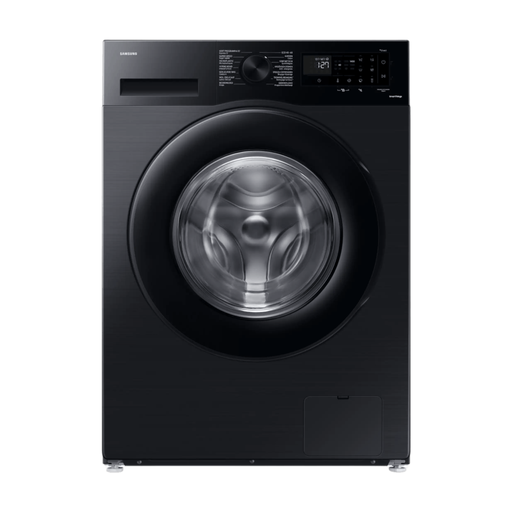
The 9 kg capacity is worth considering if you wash other household laundry as well as pillowcases; compare it with the amount of laundry you usually collect.
The product title lists a spin speed of 1400 rpm. The product information mentions a 15-minute Quick Wash and programmes for items including bedding and Hygienic Steam; check which programme suits the care label.
 No image available
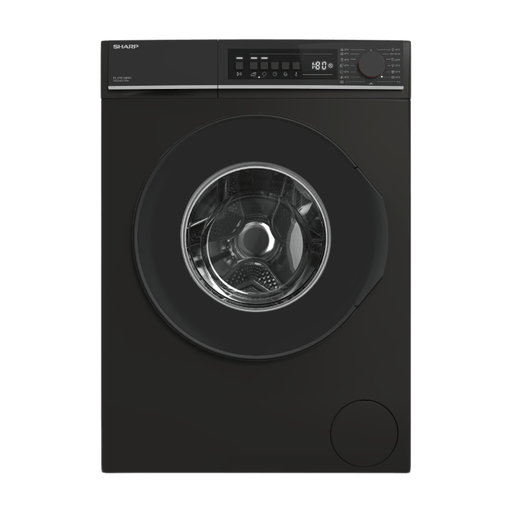
A 7 kg capacity may be worth comparing if it suits your usual load and you don’t need a larger drum for the rest of your laundry.
The product information lists a maximum spin speed of 1400 rpm and a Hygiene+ programme. Check that the programmes and temperature suit the care label on your pillowcases.
 No image available
The 8 kg capacity is worth considering if you wash regular household laundry as well as pillowcases; match it to your usual load.
The product information lists 16 programmes and a 15-minute Quick Wash programme. Steam Wash and programmes for items including bedding are also mentioned; check the permitted load and temperature for each programme.
 No image available
The 8 kg capacity may suit you if you wash pillowcases alongside other household laundry; compare it with your usual load before choosing a quick cycle.
The product title lists a maximum spin speed of 1351 rpm. The product information mentions 16 programmes, a steam function and quick programmes from 14 minutes; check the load and care label before choosing a cycle.
You can wash normally soiled pillowcases on this programme if the care label allows washing at 40 or 60 °C. Eco 40-60 isn’t the same as a wash that reaches 60 °C: according to the Dutch Consumers’ Association, the maximum temperature varies by machine and averaged around 40 °C in the test cited. If you have a specific hygiene requirement, choose a programme that suits the care label.
Check that the machine is on a flat, stable surface and that the water supply, drainage and connection to an earthed socket are all in order. Remove the transit bolts before use and level the machine; these are installation instructions from the Dutch Consumers’ Association.
Before buying, check what installation and connection include, as installation may be charged separately. An additional paid warranty doesn’t replace your statutory rights if a product is faulty; according to the Dutch government, it’s worth checking what extra rights the warranty actually gives you.
Energy information must be available for new washing machines covered by the applicable EU product rules; this doesn’t mean the machine has to have an A energy rating. If you’re a private customer buying a new, similar machine, the seller must take back your old machine free of charge under the Dutch government’s ‘old for new’ scheme, including for online purchases.