
Users of a small shared utility room
Check that the machine, door, hoses and connections will fit in the designated space. A stable installation helps reduce noise from vibrations, according to the Consumentenbond.


First, choose a washing machine that fits the designated space and is suitable for the connections in the shared utility room. Then match the capacity and programmes to the amount of laundry you wash together. If the machine will be shared, also compare spin noise, water protection and the information on the EU energy label. For pillowcases that can be washed at 60 °C, check both the care label and the programme description: the name ‘Eco 40-60’ does not guarantee a 60 °C wash.
Check that the machine, door, hoses and connections will fit in the designated space. A stable installation helps reduce noise from vibrations, according to the Consumentenbond.
Match the capacity and programmes to the laundry you want to wash together, and follow the care label on the fabric. The Consumentenbond recommends considering capacity and programmes when choosing a machine.
Compare spin noise and water protection, and check the energy consumption on the EU energy label. These factors may also matter to other users of the shared space.
When choosing a washing machine for pillowcases in a shared utility room, start with the available space and the amount of laundry you’ll be washing together. This table sets out the main points to consider.
| Point to consider | What should you check? | Who is this important for? |
|---|---|---|
| Fit and connections | Measure the space and check the dimensions, door clearance, hoses and installation instructions for the exact model. | If I need to install the machine in a shared utility room, I want to know first whether it will fit and connect to the available services. Around 33% of consumers prioritise fit and connections. |
| Capacity and programme | Compare the capacity with the amount of laundry you’ll be washing together, and check the care label and programme description. | I may want to wash pillowcases with other bedding, but I need a drum size and programme that suit the load. Around 27% of consumers give capacity and programmes top priority. |
| Noise and water protection | Compare spin noise on the same label basis and check which protection system the model has. | When sharing a machine, I want to consider noise and the possible consequences of a leak. Around 20% of consumers prioritise disruption and the risk of leaks. |
| Energy use and maintenance | Compare energy and water consumption on the same EU-label basis, and check the maintenance instructions. | I want to know in advance what energy-use figures and maintenance tasks to expect with the machine. Around 20% of consumers give energy use and maintenance top priority. |
The EU energy label for washing machines includes information such as the energy class, energy consumption per 100 cycles, water consumption per cycle and noise emissions. The Consumentenbond recommends placing the machine on a stable surface; compare water protection by checking the specific system used in the model you choose.
A larger capacity doesn’t tell you whether the machine will fit in the designated space. External dimensions also vary between models with different capacities.
Measure the available space and check the dimensions, door clearance and installation instructions for the exact model before you choose.
The programme name doesn’t tell you whether your fabrics will actually be washed at 60 °C.
Check the care label on your pillowcases and read the description of the programme you want to use.
Washing machines can have different types of water protection. The consequences of a leak may depend on where the machine is installed.
Check the protection system on the exact model and take the risk to the shared space into account.
According to Beko, the BM3WFU3741W is a freestanding washing machine with a 7 kg capacity and a depth of 49,6 cm. This specific model is worth comparing if the available depth is an important consideration.
The AEG LF628600 is an 8 kg model with a stated depth of 577 mm. It’s an option to compare if you want to wash pillowcases with other suitable bedding.
According to Bosch, the Bosch Serie 6 WGG244ZONL has a capacity of 9 kg. This specific model is worth comparing if you expect to wash larger loads together.
According to Samsung, the WW80CGC04AAHEN is a front-loading washing machine with an 8 kg capacity and an A energy rating. It’s another model to compare for its programmes and controls.
According to LG, the LG F4X1008NWH is an 8 kg model with an A energy rating and app features. Compare those features if app control is relevant to the people using the machine.
This Joybuy selection includes front-loading washing machines with capacities from 8 to 11 kg, suitable for shared laundry loads. Check that the capacity, dimensions and programmes of the model you choose suit the space and your laundry.
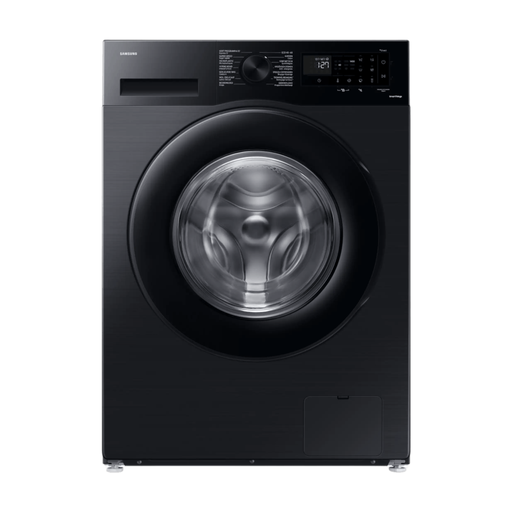 Image unavailable
An option to compare for larger shared loads; the product information lists a bedding programme and automatic load sensing.
11 kg, 1400 rpm, A-10% energy rating and 14 programmes. Stated spin noise: 72 dB.
The product information lists Wi-Fi and SmartThings. Compare noise figures on the same label basis.
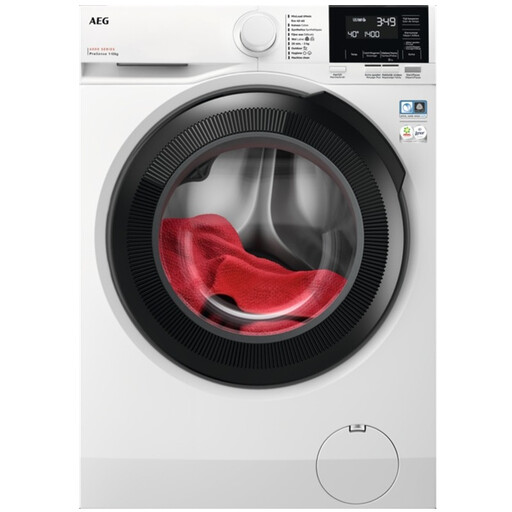 Image unavailable
Worth comparing if you want to wash a larger shared load and are considering water protection.
10 kg and an A energy rating. The product information lists load sensing, AquaControl and 76 dB spin noise.
Compare the stated noise level with other models on the same label basis.
 Image unavailable
An option to compare if you wash pillowcases with other suitable bedding; the product information lists load sensing.
8 kg, 1600 rpm and an A energy rating. The description lists an Anti Allergy Vapour programme at 60 °C and a depth of 57,7 cm.
The stated spin noise is 75 dB. Check that the programme description and dimensions suit your needs.
 Image unavailable
Worth comparing for mixed loads: the product information lists MixLoad and automatic adjustment to the weight of the load.
8 kg, 1400 rpm and an A-40% energy rating. The stated spin noise is 74 dB.
Compare the noise figure on the same label basis and check that the programmes suit your laundry.
 Image unavailable
An option to compare for a shared bedding load; the product information lists ProSense load sensing.
8 kg, 1400 rpm and an A energy rating. The description lists an Anti-Allergy Vapour programme at 60 °C and a depth of 57,7 cm.
The stated spin noise is 75 dB. Check that the dimensions and programme description meet your needs.
Measure the available space and check the door clearance, connections and stable flooring, following the instructions for the exact model. Also agree with the other users who will install, use and maintain the machine; arrangements can vary from one shared space to another.
No. Don’t assume the actual wash temperature from the programme name alone. First check that the care label allows a 60 °C wash, then read the programme description. The Consumentenbond points out that Eco 40-60 doesn’t prove that fabrics are washed at 60 °C.
Choose a capacity to suit the amount of laundry you usually wash together. If you combine pillowcases with other bedding, compare the total load with the machine’s capacity and check that the programme you choose is suitable for the fabrics.
The EU label for household washing machines shows information such as the energy class, energy consumption per 100 cycles, water consumption per cycle and noise emissions. Compare models on the same label basis, and bear in mind that actual consumption also depends on the programme and how you use the machine.
That depends on the specific alteration and the arrangements for the home and shared space. The Dutch government distinguishes between minor changes in rented homes that are easy to reverse and alterations that may require permission. Discuss any planned work with your landlord or property manager beforehand; general information doesn’t constitute permission for a specific space.