
People washing large picnic blankets
You want to wash a bulky, machine-washable blanket and need to check above all that it can move around in the drum. Milieu Centraal also advises against buying a washing machine that’s larger than you need.


First, check your picnic blanket’s care label and make sure it has enough room to move around in the drum. Then choose a machine that also suits your everyday laundry loads. A larger drum is only worthwhile if you regularly need the extra space, and the energy label, which is based on the eco 40-60 programme, doesn’t tell you how much energy other programmes use.
You want to wash a bulky, machine-washable blanket and need to check above all that it can move around in the drum. Milieu Centraal also advises against buying a washing machine that’s larger than you need.
If your blanket has a special backing or filling, let its care instructions determine which settings and drying methods are suitable. Quechua specifies a maximum of 30 °C and says not to tumble dry one particular machine-washable blanket. These instructions don’t automatically apply to other blankets.
You may only wash the blanket occasionally, while using the machine mainly for everyday laundry. It’s therefore important to choose a capacity that suits your regular loads.
Start with the care label and the space your blanket needs in the drum. Then check that the capacity, installation requirements and usage information also suit your everyday laundry.
| What to consider | What should you check? | Who is this important for? |
|---|---|---|
| Blanket fit | Compare your blanket’s size and dry weight with the drum space and the maximum load for the permitted programme. The kg capacity alone doesn’t prove that a large blanket will fit. | If I’m washing a large blanket, I want to know whether it can move freely in the drum. This is the main concern for around 33% of consumers. |
| Suitable wash programme | Compare your blanket’s care label with the available programmes and temperature settings. Eco 40-60 is intended for normally soiled cotton laundry that can be washed at 40 or 60 °C according to its care label. | If my blanket has a coating or special filling, I want to follow its care instructions. Around 27% of consumers prioritise finding a machine that’s suitable for their blanket. |
| Everyday laundry and energy use | Choose a capacity that suits your regular laundry loads. The energy label compares energy use based on eco 40-60, not other programmes. | If I mainly use the machine for everyday laundry, I want to choose a capacity that suits those loads and understand what the label is based on. Around 20% of consumers have this priority. |
| Installation and purchase | Measure the available space, including room for connections, and check the seller’s delivery and installation terms. | I want to know in advance whether the machine will fit in the available space and what the purchase terms are. Around 20% of consumers prioritise installation and purchase terms. |
A bulky blanket also needs enough space to move around in the drum. A larger machine isn’t automatically a better choice if your regular loads are small.
Check the size of your blanket and your usual laundry loads before choosing a capacity. Milieu Centraal advises against buying a washing machine that’s larger than you need.
The permitted temperature and drying method can vary from one blanket to another. For one particular machine-washable blanket, Quechua specifies a maximum of 30 °C and says not to tumble dry.
Follow the instructions for your own blanket, not those for a similar one.
Energielabel.nl bases the label on eco 40-60. It doesn’t give energy-use figures for other programmes.
Compare energy labels on the same basis, and look up the specific model’s information for any other programme you need.
The BM3WFT3841B1 is a front-loading washing machine with a stated capacity of 8 kg. Beko lists Delicates/Wool/HandWash and an extra rinse function among this model’s features.
The Serie 6 WGG244FSNL is a front-loading washing machine with a stated capacity of 9 kg. It’s worth comparing if the extra space would also be useful for your other laundry loads.
The WSA123 WCS 8 kg Active is a front-loading washing machine with a stated capacity of 8 kg. It’s an option to compare if you’re interested in its listed fabric-care features.
Washing machines to compare for washing suitable picnic blankets and your everyday laundry.
 No image available
The stated capacity may be suitable if it also matches your everyday laundry loads. Also check that your blanket’s care label allows machine washing and that there’s enough room for it in the drum.
Stated capacity: 9 kg. Maximum spin speed: 1400 rpm.
 No image available
The stated capacity is a useful starting point if you’ll also be washing everyday laundry in the machine. Always check the care instructions for your own blanket before choosing a programme.
Stated capacity: 8 kg. Maximum spin speed: 1400 rpm.
 No image available
The stated capacity may suit households looking for a machine for their everyday loads. Check separately whether a large blanket will fit.
Stated capacity: 7 kg. Stated depth: 400 mm.
 No image available
The stated capacity is relevant if you want to wash everyday laundry as well as a suitable blanket. Compare the available settings with your blanket’s care instructions.
Stated capacity: 8 kg. Maximum spin speed: 1400 rpm.
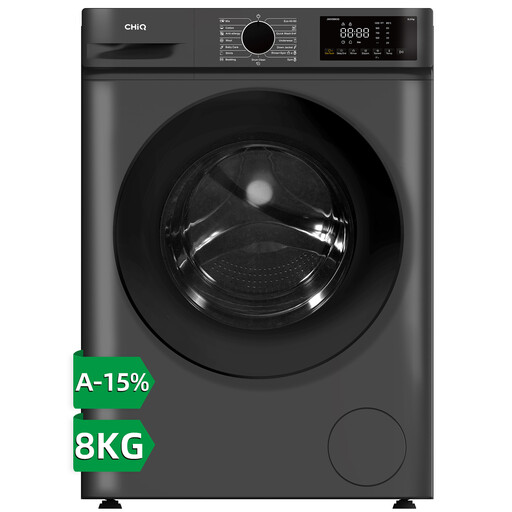 No image available
The stated capacity can help you compare the machine with your everyday laundry loads. Separately check whether your blanket’s own care instructions allow machine washing.
Stated capacity: 8 kg. Maximum spin speed: 1400 rpm.
No. Eco 40-60 is intended for normally soiled cotton laundry that can be washed at 40 or 60 °C according to its care label. Follow the care instructions for your own blanket: Quechua specifies a maximum of 30 °C and says not to tumble dry one particular machine-washable blanket, but these instructions don’t automatically apply to other blankets.
Follow your blanket’s drying instructions and only put it away once it’s dry. For the model described here, Quechua recommends cleaning it thoroughly, letting it dry completely and storing it somewhere clean and dry.
The energy label is based on eco 40-60 and doesn’t show the energy use of other programmes. Check the information for the specific model to find out about its delicates programme.
According to the Dutch government, you should contact the seller to resolve the issue. The Netherlands doesn’t have a fixed statutory warranty period of two years; any manufacturer’s warranty or extra warranty you’ve bought may be in addition to your statutory rights.
Yes. According to the Dutch government, under the old-for-new scheme the seller must take back a similar old appliance. If you’re having your new machine delivered, check in advance how the collection will be arranged.