What should you look for when buying?
First, check the care label and how much room the blanket needs in the drum. Then assess the programmes for your usual washing and compare models for energy use and dimensions.
| What to consider |
What to look for |
Who this matters to |
| Room for the picnic blanket |
Read the care label and check that the blanket fits loosely in the drum. Also check the maximum load for the programme you choose. Decathlon Netherlands and the Consumers’ Association point out that a machine’s capacity in kilograms alone doesn’t determine whether a large blanket will fit. |
If I want to wash a large blanket, I want to avoid it getting wedged or crammed into the drum. Around 36% of consumers say having enough room for the blanket is their main concern. |
| Programmes for different loads |
Check which programmes, temperatures and spin settings suit the care labels, and check the load limit for each programme. The Consumers’ Association explains the features of mixed-load programmes. |
If I alternate between different fabrics and small or mixed loads, I want to be able to check which programme is suitable for each wash. Around 29% of consumers prioritise programmes that suit different weekly loads. |
| Energy and water use |
Compare the label figures on the same basis, including kWh per 100 eco cycles and water per eco cycle, and check the programme you actually plan to use separately. The European Commission explains the EU energy label for washing machines. |
If I wash frequently, I want to compare models’ electricity and water use without assuming that every programme uses the same amount. Around 21% of consumers are mainly concerned with ongoing energy and water use. |
| Space and spin noise |
Measure the available space and compare it with the model’s dimensions. Also check the spin noise level shown on the energy label. |
If space is limited or noise matters where the machine will be installed, I want to know in advance whether it will fit and what noise level is stated. Around 14% of consumers prioritise installation space and spin noise. |
Washing machines at Joybuy
This selection features front-loading models with a stated capacity of 8 or 9 kg and features that may be useful for different types of laundry loads. For each model, check that the blanket fits in line with its care label and the load allowed for your chosen programme.
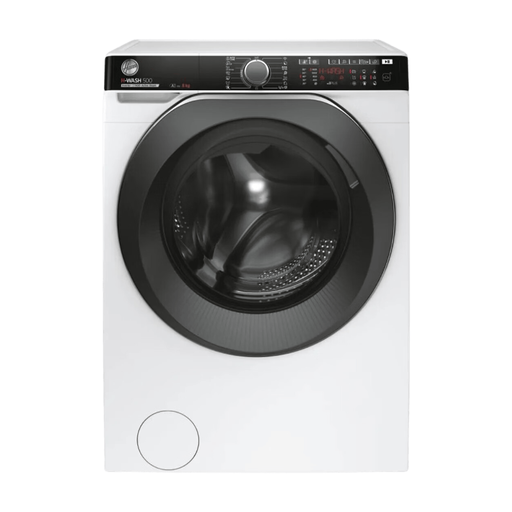 Image unavailable
HWP 48AMBC7/1-S, 8 kg
The stated capacity may suit a blanket that fits loosely in the drum according to its care label, as well as different types of weekly loads.
The product description lists 8 kg, 1400 RPM and Auto Care, which it says adjusts the programme to the fabric and load.
View at Joybuy
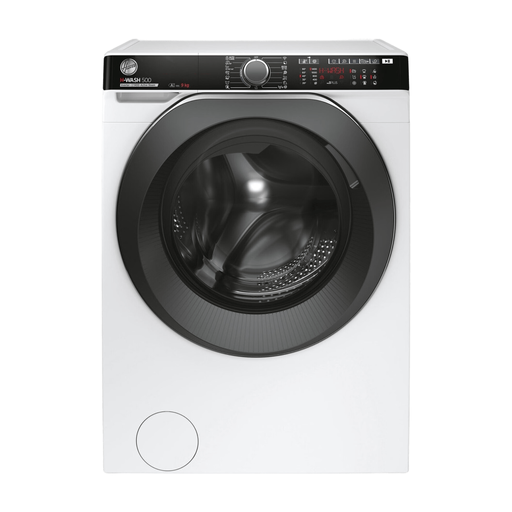 Image unavailable
Hoover H-WASH 500 HWP 49AMBC7/1-S, 9 kg
The capacity and stated load sensor may be useful if your weekly washing varies. However, check that the blanket fits in the drum according to its care label.
The product name lists 9 kg and 1400 RPM. The product description mentions a load sensor and Auto Care. Check the load limit and settings for each programme.
View at Joybuy
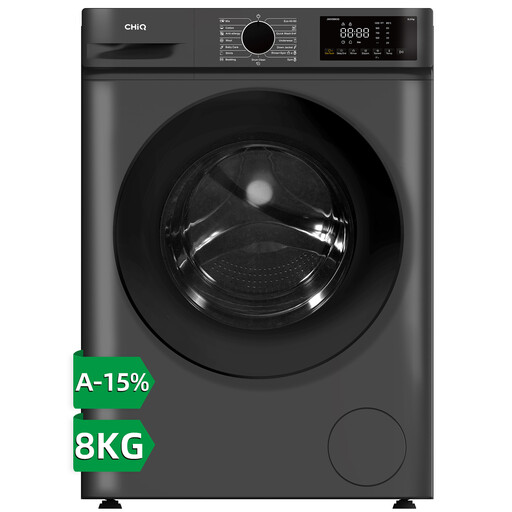 Image unavailable
CHiQ JW85883G, 8 kg
The listed programmes may be useful for different fabrics, but they don’t by themselves determine which programme is right for your blanket.
The product name lists 8 kg, a 530 mm drum size, 1400 RPM, 16 programmes and 1-Touch Smart Wash. Check the care label and the load limit for your chosen programme.
View at Joybuy
Frequently asked questions
Can every water-repellent picnic blanket go in the washing machine?
No. Water-repellent on its own doesn’t tell you how to wash it. Follow your blanket’s care label: a hand-wash symbol means hand wash, while a crossed-out wash tub means do not wash. Then check that the blanket has enough room in the drum you’ve chosen.
Is Eco 40-60 suitable for my picnic blanket and mixed weekly washing?
Not necessarily. Eco 40-60 is intended for normally soiled cotton that can be washed at 40 or 60 °C according to its care label. A mixed-load programme may have a different load limit from the maximum capacity for cotton. Always follow the care label for your blanket.
What should I check before using a washing machine for the first time?
Follow the instructions for your chosen model. Bosch recommends a stable surface, accessible water supply and drainage, and an earthed socket. Remove the transit bolts before use to prevent damage. This is installation advice from a manufacturer.
What guarantee applies in the Netherlands if my washing machine breaks down too soon?
The retailer is responsible for the legal guarantee if, under normal use, a product doesn’t perform as you could reasonably expect. There isn’t one fixed two-year legal guarantee period for every washing machine; the assessment depends on the product and the circumstances. ACM ConsuWijzer explains these rights.
What energy label must a new domestic washing machine have?
An energy label is required when a washing machine is sold in the Netherlands, but there’s no requirement for a specific label class. The EU scale for domestic washing machines runs from A to G. The label includes details such as energy use per 100 cycles, water use per cycle and spin noise.


