Start by checking that the drum and door opening can accommodate your usual blanket load. Then compare the spin-drying class on the energy label and follow the blanket’s washing and drying instructions: the maximum spin speed alone won’t tell you how dry it will come out of the machine. A washer-dryer gives you a way to manage without a second appliance if the blanket is suitable for tumble drying, but its drying capacity is lower than its washing capacity. If you have room for two appliances, Milieu Centraal recommends a separate washing machine and tumble dryer because their combined energy consumption is lower.
Who is this choice relevant to?
Little room to hang blankets out to dry
You’re looking for a practical way to dry them: spin-drying if you can still hang the blanket up, or tumble drying if the care label allows it. Milieu Centraal and the Consumentenbond both highlight drying results and drying capacity as things to consider.
Large or multiple pet blankets
You want to know whether the blanket will fit through the door opening and whether the permitted load for your chosen programme can accommodate its bulk. The Consumentenbond points out that the stated capacity applies to cotton; delicate or synthetic laundry has a lower load limit.
Lots of pet hair in the wash
You want to wash blankets covered in pet hair without skipping preparation or machine maintenance. Bosch Netherlands recommends removing as much hair as possible before washing; a programme name on the machine doesn’t replace that preparation.
What matters when drying space is limited?
| What to consider |
What should you check? |
Who is this most relevant to? |
| Drying when space is limited |
Check the drying symbol and spin-drying class; for a washer-dryer, also check its separate drying capacity. |
If I have little room to hang blankets out to dry, I want to know whether spin-drying will be enough or whether tumble drying is allowed. Around 31% of consumers put drying with limited space first. |
| Finding a machine that fits your blanket load |
Measure the blanket and check the door opening and load limit for the permitted programme. The Consumentenbond states that the nominal capacity applies to cotton. |
With large or multiple blankets, I want to know whether they’ll fit comfortably in the drum and can be washed on the right programme. Around 25% of consumers give finding a suitable blanket load top priority. |
| Hair and maintenance |
Follow the care label, remove hair beforehand and check the maintenance instructions for the drum and filter. |
If my blankets have a lot of hair on them, I want to know what to do before washing and how to maintain the machine. Around 19% of consumers put hair and machine maintenance ahead of other considerations. |
| Where to put the machine |
Measure the width, depth and height of the space, and allow for connections and room to open the door. |
If space for the appliance is tight too, I want to be sure in advance that the machine will fit in the available space and chosen position. Around 13% of consumers make positioning their top priority. |
| Consumption and help if something goes wrong |
Compare energy and water information for the same cycle, and distinguish a commercial guarantee from your statutory rights. The Dutch Government explains energy labels, while ACM ConsuWijzer covers guarantees. |
If I do laundry regularly and want to think about service too, I want to be able to compare usage information and know who to contact if something goes wrong. Around 12% of consumers put consumption and service first. |
Which washing machine choices could prove unsuitable?
-
Focusing only on the highest spin speed
The stated maximum speed alone won’t tell you how dry a blanket will be after spinning. If the load is unevenly distributed, the machine may reduce the spin speed.
Compare the spin-drying class on the energy label and check the blanket’s care instructions. Manufacturers such as Siemens explain that an unbalanced load can limit the maximum spin speed.
-
Confusing washing and drying capacities
A washer-dryer may be able to wash more kilograms than it can dry. That means a full wash load won’t necessarily fit in one drying cycle.
Check both capacities for the same model, and make sure the blanket can be tumble dried according to its care label.
-
Choosing an extra-large drum for the occasional blanket
The stated capacity applies to cotton, and the permitted load can vary depending on the fabric and programme.
Choose a machine to suit your usual laundry load, then check separately whether your largest blanket will fit through the door opening. For delicate or synthetic laundry, the Consumentenbond recommends a maximum of half the nominal cotton capacity.
-
Assuming a two-year manufacturer’s guarantee is the full extent of your statutory protection
Commercial guarantees and statutory rights are different. ACM ConsuWijzer explains that your statutory rights depend on what you could reasonably expect from the product under normal use; there isn’t simply a fixed two-year period for every product.
Check what an additional guarantee actually covers. If you think a product may be faulty, contact the retailer.
Which brands and models are worth comparing?
These examples show a range of capacities and setups. The features listed apply to the specific models and aren’t a general assessment of each brand.
Bosch
The Serie 6 front-loading range includes options for anyone who values room for blankets and effective spin-drying; the WGG246ZCNL is one example.
- Bosch lists a 9 kg capacity, a maximum spin speed of 1600 rpm and external dimensions of 845 × 598 × 590 mm for the WGG246ZCNL.
- Bosch says the machine may automatically reduce the maximum spin speed if the load is unbalanced. So the stated maximum doesn’t guarantee that a heavy blanket will be spun at that speed.
Beko
The BM3WFU38412CW is an 8 kg front-loader worth comparing if the depth of the space matters too.
- Beko lists a maximum spin speed of 1400 rpm and a stated depth of 54,6 cm for this model.
- The shorter stated depth doesn’t tell you whether a bulky blanket will fit or how dry it will come out of the machine after spinning.
LG
The F4DR3096N3W is a washer-dryer for anyone looking for a single appliance and whose blanket can be tumble dried according to its care label.
- LG lists a 9 kg washing capacity and a 6 kg drying capacity for this model.
- Because the drying capacity is lower, a full wash load won’t necessarily fit in one drying cycle. You may need to reduce or split the load.
AEG
AEG’s 8 kg front-loaders come in different versions with different stated spin speeds, so always check the exact model.
- AEG lists a maximum spin speed of 1600 rpm and a depth of 577 mm for the LF628600.
- The model’s dimensions and maximum spin speed alone don’t tell you what drying results to expect with a pet blanket.
Siemens
The WG46H2A9NL is a 9 kg front-loader with a stated maximum spin speed of 1600 rpm.
- Siemens lists a maximum spin speed of 1600 rpm for this model.
- Siemens says the machine may automatically reduce the speed if the load is unbalanced. A heavy blanket may not reach the stated maximum.
Joybuy products for blankets and limited drying space
This selection includes washer-dryers for drying in the same appliance, as well as separate washing machines for blankets that can be dried elsewhere after spinning. With a washer-dryer, always check that the blanket fits within the drying capacity and that tumble drying is allowed according to the care label.
 No image available
TCL CP1210WA0 washer-dryer, 10/6 kg
A washer-dryer for anyone who wants to wash and dry in one appliance, provided the blanket fits within the drying capacity and its care label allows tumble drying.
Capacity: 10 kg washing and 6 kg drying. Maximum 1200 rpm; the product information lists a 60-minute wash-and-dry programme.
View at Joybuy
 No image available
Comfee' CFP03ED100W-HR washer-dryer, 10/7 kg
A washer-dryer for anyone without room for a second appliance, whose blanket can be tumble dried according to its care label.
Capacity: 10 kg washing and 7 kg drying. The drying capacity is lower than the washing capacity, so a full wash load won’t necessarily fit in one drying cycle.
View at Joybuy
 No image available
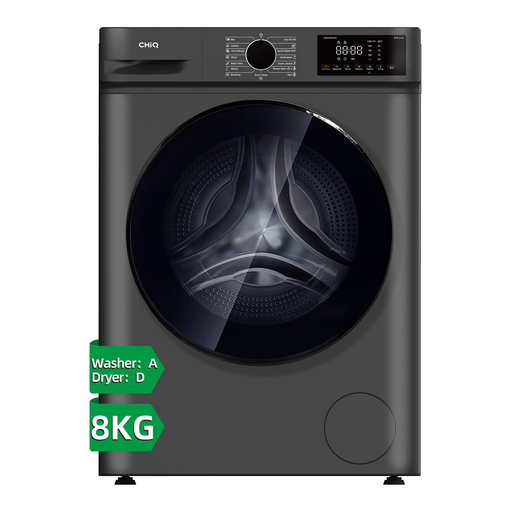
CHiQ JW85882HG washer-dryer, 8/5 kg
A washer-dryer to consider if you need to dry in the same appliance and the blanket is suitable for tumble drying.
Capacity: 8 kg washing and 5 kg drying. Maximum 1400 rpm; the product information lists a lower drying capacity than washing capacity.
View at Joybuy
 No image available
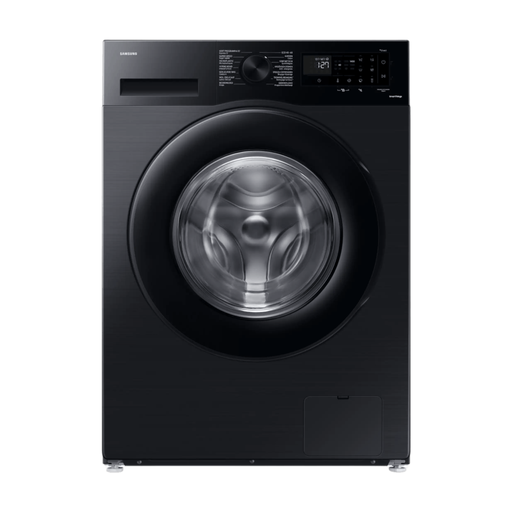
Samsung WW1UDG5B25ABEN washing machine, 11 kg
A separate washing machine for anyone who can dry their blanket elsewhere after spinning.
Capacity: 11 kg; maximum 1400 rpm. The product information lists a bedding programme and automatic load detection.
View at Joybuy
 No image available
Samsung WW90DG6U25LE washing machine, 9 kg
A separate washing machine for anyone with a suitable place to dry the blanket after spinning.
Capacity: 9 kg; maximum 1400 rpm; spin-drying class B. The product information also lists a bedding programme.
View at Joybuy
Frequently asked questions
Do I need 1600 rpm if drying space is limited?
No. First compare the spin-drying class on the energy label and follow the blanket’s care instructions; then consider the maximum spin speed. If the load is unevenly distributed, the machine may not reach its maximum speed.
Can a washer-dryer dry a full load of blankets straight away?
Not necessarily. The drying load may be smaller than the washing load: LG lists drying and washing capacities of 6 kg and 9 kg respectively for the F4DR3096N3W. Also check whether the specific blanket can be tumble dried according to its care label.
How should I prepare and maintain a machine when washing blankets with lots of hair on them?
Bosch Netherlands recommends removing as much hair as possible before washing the blanket and shaking the fabric out. Follow your machine’s manual for cleaning and maintenance; Bosch highlights detergent residue and machine maintenance as things to check if unpleasant smells keep returning.
What do Dutch energy labels tell you, and what about guarantees?
The Dutch Government says that energy labels are compulsory for household appliances and that washing machine labels also include information about water consumption. ACM ConsuWijzer distinguishes between commercial guarantees and statutory rights: if, under normal use, a product doesn’t deliver what you could reasonably expect, the retailer is responsible for providing a solution under the statutory conditions. There isn’t simply a two-year period for every product.


