
Households with frequently stained napkins
You want to tackle food stains without overlooking the care label or the requirements of other laundry. GINETEX and the Consumentenbond advise following the care label when choosing a programme.


Choose a washing machine based on care labels and the size of your usual load. You can wash napkins with other laundry only if the colours, level of soiling and care requirements are compatible. Then compare the programmes and the EU energy label; a large drum or a quick programme won’t automatically suit every load or stain.
You want to tackle food stains without overlooking the care label or the requirements of other laundry. GINETEX and the Consumentenbond advise following the care label when choosing a programme.
You combine napkins with clothing or other textiles where appropriate, and want a capacity and range of programmes to suit the fabrics in your usual wash. Milieu Centraal and the Consumentenbond stress the importance of choosing a suitable load size and programme.
Sometimes you wash just a few napkins or a small separate load, and want to compare capacity, programme duration and consumption. Milieu Centraal advises considering factors such as size and the energy label; the European Commission sets out the conditions for the eco 40-60 programme.
| Buying concern | What to look for | Who is this important to? |
|---|---|---|
| Food stains and fabric care | Check the fabric type, care label and requirements for a stain or cotton programme. GINETEX and the Consumentenbond advise using the care label as your starting point. | If stained napkins are often a deciding factor, you’ll want a suitable wash without risking damage to delicate items in the same load. Around 40% of consumers put this concern first. |
| Washing napkins with your weekly load | Compare care labels, colours and levels of soiling, and check the permitted load size for the mixed programme. | If you like washing napkins with suitable clothing or other textiles, you’ll want to know whether the fabrics can be washed in the same way. Around 30% of consumers prioritise this combination. |
| Consumption across different loads | Compare kWh per 100 cycles, water consumption and programme duration on the same EU label basis. The European Commission describes eco 40-60 as intended for normally soiled cotton that can be washed at 40 °C or 60 °C according to its care label. | If you weigh up consumption against load size, you’ll want to know how a model suits the quantities you actually wash. Around 20% of consumers prioritise this consideration. |
| Dimensions and installation | Measure the space for the machine and the access route, and check the connections and what your chosen delivery or installation service includes. | If space or connections could be an issue, you’ll want to know in advance whether installation is practical. Around 10% of consumers prioritise this concern. |
The European Commission describes eco 40-60 as intended for normally soiled cotton that can be washed at 40 °C or 60 °C according to its care label. A napkin may be made from a different material or have different washing instructions.
Read the fabric care label and choose a programme to suit the material and level of soiling. GINETEX explains that the temperature shown in the wash tub symbol is the maximum temperature.
A short programme duration alone doesn’t tell you whether the cycle is suitable for your napkins, stains and load size.
Check the manual for the exact model to see which fabrics, load sizes and levels of soiling the programme is designed for.
A manufacturer’s guarantee doesn’t replace your legal rights against the seller. The Dutch government explains that there is no fixed statutory guarantee period in the Netherlands.
Check what any additional guarantee covers. If a product is faulty, contact the seller.
A washing machine needs to fit in the intended space and be connected according to the manual. Delivery and installation may be separate services.
Measure the space and access route, and check the terms for delivery, installation and removal of your old appliance in advance.
The Dutch BM3WFT3841W is an 8 kg front-loading washing machine with programmes for mixed loads and stains.
The Dutch WUU28T20NL is an 8 kg front-loader and could be a useful reference if that capacity suits your usual load.
The Dutch F4A10S8NWK is an 8 kg front-loader with AI DD and TurboWash features listed by LG.
The Dutch W1 WWE380 WCS PWash&Steam&8kg has a capacity of 8 kg and a separate QuickPowerWash programme.
Joybuy washing machine picks for napkins and changing weekly loads.
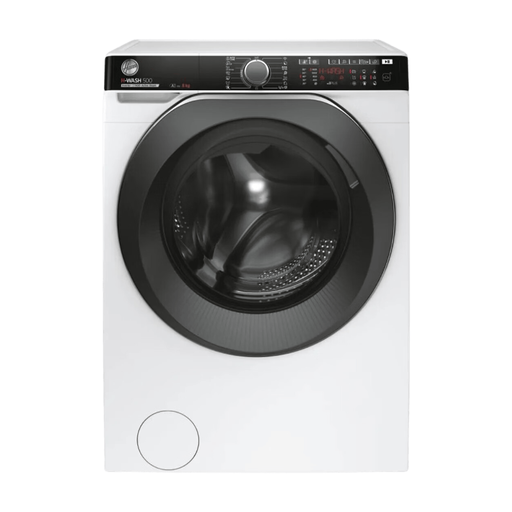 Image unavailable
The stated capacity can help you compare the machine with your usual household load; check the permitted load size for each programme.
Capacity: 8 kg. Maximum spin speed: 1400 rpm. The product name lists an inverter motor, Wi-Fi, Bluetooth and a steam function.
 Image unavailable
The capacity is worth considering if you’re looking for a machine to suit your usual household load; follow the programme instructions for each wash.
Capacity: 8 kg. Maximum spin speed: 1400 rpm. The product name lists 16 wash programmes and a steam function.
 Image unavailable
Compare the stated capacity with your usual load and check the manual to see which programmes suit the fabric and level of soiling.
Capacity: 8 kg. Maximum spin speed: 1351 rpm. The product name lists energy class A and a steam function.
 Image unavailable
The stated capacity may suit a typical household load; check that the programmes are suitable for your napkins and the rest of your laundry.
Capacity: 8 kg. Maximum spin speed: 1400 rpm. The product name lists energy class A, EnergySpin and a ProSmart inverter motor.
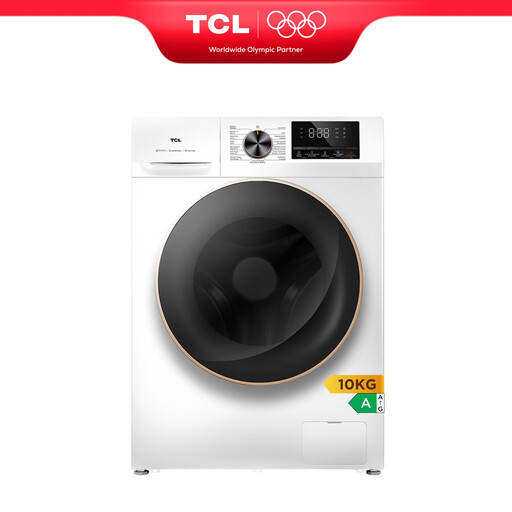 Image unavailable
The capacity may be useful if your usual loads are larger; follow the instructions for the laundry when choosing the load size and cycle.
Capacity: 10 kg. The product name lists a 15-minute Quick Wash programme and energy class A.
No, check the items first. Sort by colour, level of soiling and the care instructions on the labels. The temperature in the wash tub symbol is a maximum, while bars beneath the tub indicate that a gentler treatment is needed.
No. The European Commission describes this programme as intended for normally soiled cotton that can be washed at 40 °C or 60 °C according to its care label. For other fabrics or heavy stains, check the label and programme instructions.
Check that the machine is on a flat, stable surface and that the water supply, drain and earthed socket are suitable. Remove the transit bolts, level the machine and follow the manual for your chosen model.
If a product is faulty, contact the seller. The Dutch government states that there is no fixed statutory guarantee period in the Netherlands; what you can expect from a product depends on the circumstances. A manufacturer’s guarantee is separate from your legal rights.
For a private purchase in the Netherlands, the seller must take back an old, similar appliance free of charge. The Dutch government explains that this arrangement doesn’t apply to purchases made by businesses. Agree in advance how the handover will work when your new machine is delivered.