What should you consider when choosing?
Start with the care instructions and measurements of your new space, then compare the drum capacity and programmes to suit your washing.
Freestanding front-loader
Suitable when: the measured space and doorway are suitable, and you regularly have larger loads of washing.
Keep in mind: standard front-loaders are usually around 60 cm wide. Special programmes may take less washing than the maximum capacity. The Consumers’ Association explains these points to consider.
Top-loader
Suitable when: space is limited widthways and there is room above the machine to open the lid.
Keep in mind: according to the Consumers’ Association, top-loaders are around 40 cm wide and usually have a smaller capacity of up to 6 à 7 kg. Check the rating for the specific model too.
Washer-dryer
Suitable when: you also want to dry your clothes electrically and don’t have the space or budget for two separate appliances.
Keep in mind: washing and drying capacities can differ. Milieu Centraal recommends choosing a separate washing machine and tumble dryer if you have room for both, as they use less energy together.
| Point to consider |
What should you check? |
Who is this important for? |
| Getting muddy washing clean |
Check the care label, the programmes available and independent results for the specific model. The Consumers’ Association tests cotton at 40 °C and synthetics at 30 °C, among other things; this isn’t a test of your particular muddy sports kit. |
If I want to wash muddy sportswear with my everyday laundry, I want to know whether the programme suits the fabric and level of soiling. Around 33% of consumers say getting heavily soiled washing clean is their top priority. |
| Fitting and connecting the machine after moving |
Measure the machine, access routes and space needed to open it. Also check the water supply, waste outlet, socket and instructions for transit bolts. |
If I’m still moving home, I want to make sure the machine will fit through the route and can be connected in its new location. Around 27% of consumers put fitting and connecting the machine after moving at the top of their list. |
| Protecting sportswear |
Read the clothing labels and check the temperature, spin setting and permitted load for the programme you choose. A special programme may allow a smaller load than the maximum capacity. |
If my sportswear is synthetic or delicate, I want to follow the care label rather than automatically choosing the shortest cycle. Around 20% of consumers say protecting fabrics is their top priority. |
| Energy use and aftercare |
Compare the figures on the EU energy label on a like-for-like basis. Also check what installation includes and distinguish between any extra warranty and your statutory rights. |
If I want to keep track of running costs and aftercare, I compare energy use and terms and conditions before choosing. Around 20% of consumers put this balance first. |
Washing machines at Joybuy
This selection features freestanding front-loaders with different drum capacities and programmes for everyday or delicate washing.
 No image available
Samsung WW90DG6U25LE, 9 kg
The listed programmes for synthetics and delicates may be useful if your sportswear has different care instructions.
The product description lists a 9 kg capacity, 1400 rpm, Pre-Wash, Synthetics and Delicate/Silk.
Check the dimensions and maximum load for the programme you want to use.
View at Joybuy
 No image available
Midea MF110W80BA10/W-NL, 8 kg
If you want to use pre-wash or an extra rinse for a load, the product description lists both features.
The description lists an 8 kg capacity, 1400 rpm and 16 programmes, including Wool, Delicate and Eco 40–60.
Check the energy class on the product information sheet for the exact version.
View at Joybuy
 No image available
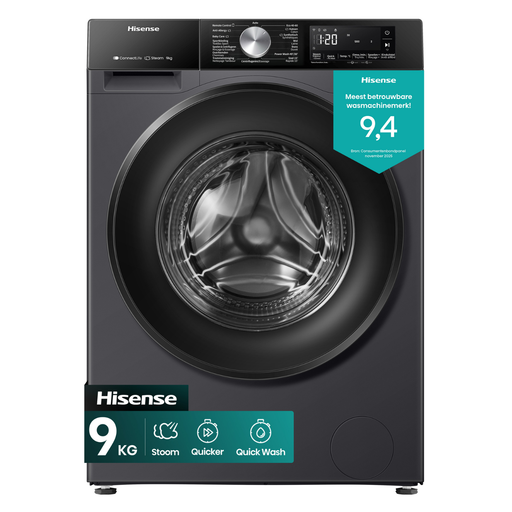
Hisense WF3S9043BB3, 9 kg
The listed capacity may suit larger loads; according to the product description, the short cycle is intended for small loads.
The product description lists a 9 kg capacity, 1400 rpm, Power Wash 49' and Quick 15'.
Check that the cycle you choose is suitable for the clothing label and amount of washing.
View at Joybuy
 No image available
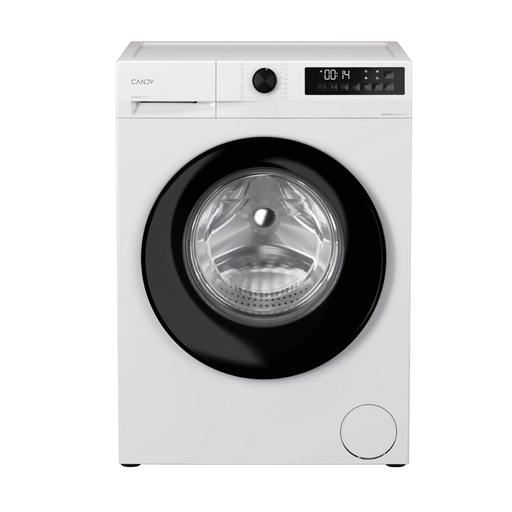
Candy GD 49B8-S, 9 kg
The listed drum capacity may be useful if you have larger loads; check the programme instructions for sportswear too.
The product description lists a 9 kg capacity, 1351 rpm and 16 programmes.
Check the dimensions of the exact version to make sure it fits in your new space.
View at Joybuy
 No image available
Candy GD 48B9-S, 8 kg
The listed programmes and short cycles offer options for different everyday loads; always check the care label for sportswear.
The product description lists an 8 kg capacity, 1351 rpm and 16 programmes, including short cycles from 14 minutes.
Short cycles aren’t automatically suitable for heavily soiled washing.
View at Joybuy
Frequently asked questions
Is a sportswear or quick programme automatically suitable for muddy kit?
No. Check the care label first, then check the temperature, agitation and permitted load for the specific programme. A programme’s name doesn’t guarantee a particular cleaning result for your level of soiling.
What should you do with your washing machine just before and after moving?
Follow the instructions for your model. When disconnecting the machine, Bosch recommends collecting any remaining water from the hoses and drain filter, and securing the drum with transit bolts before transport. Remove the bolts before use, then check the floor and connections at your new home.
Can muddy trainers go in the drum?
Don’t assume they should be washed in the same way as a sports kit. Nike advises against machine-washing its shoes and recommends cleaning them by hand; follow the care instructions for other shoes.
Does a new domestic washing machine in the Netherlands need an energy label?
Yes. The Dutch Government lists washing machines among the appliances that must have an energy label. The European Commission explains that domestic washing machines use the A–G scale, and that the label includes information such as energy use per 100 cycles and water use per cycle.
Are you automatically entitled to exactly two years’ statutory warranty on a washing machine in the Netherlands?
No. According to the Dutch Government, the Netherlands doesn’t have a fixed statutory warranty period. You’re entitled to a product that works properly for as long as you can reasonably expect it to. The retailer is your point of contact if there’s a fault; a manufacturer’s warranty is additional.


