
For washing bulky bedding loads
You want to wash several covers or sheets, and perhaps a duvet too. The weight of the load and the space in the drum matter more than the number of people in your household.


First, choose a drum and programme that suit the weight and bulk of your guest bedding, and follow its care label. The stated capacity applies to cotton and doesn’t guarantee that a duvet will fit. Next, measure the laundry space and access routes at both properties, and check the connections. Compare consumption figures on the same energy-label basis, and plan for drying too.
You want to wash several covers or sheets, and perhaps a duvet too. The weight of the load and the space in the drum matter more than the number of people in your household.
You need a machine that will fit before and after your move. Measure the space and access routes, and check where the water supply and drain are located.
For example, you may alternate between covers and sheets and a washable down or fibre-filled duvet. The care label, programme load limit and ability to dry everything thoroughly will determine what works in practice.
| What to consider | What should you check? | Who is this important for? |
|---|---|---|
| Room for the load | Weigh a typical cotton load and check that the duvet fits through the door and into the drum without being forced in. Also check the maximum load for the programme you plan to use. | If you want to wash several covers or sheets at once, you’ll want to know whether they fit comfortably in the drum. The stated capacity applies to cotton, according to the Consumentenbond. For around 33% of consumers, load size is the top priority. |
| Installation and moving | Measure the space and access routes at both properties, and check access to the tap, drain and power socket. Follow the model’s instructions for transport and reconnecting the machine. | If you’re taking the machine with you or the new laundry space is compact, you’ll want to know in advance whether it will fit through the access routes and can be connected correctly. Around 25% of consumers prioritise installation and moving. |
| Wash programmes and drying | Follow the care label, and check the programme’s load limit and permitted settings. If you’re washing a duvet, plan how and where the filling can dry completely. | If your guest bedding includes different fabrics, you’ll want to choose a programme that matches the care label and allow enough time for everything to dry. Textile care and drying plans are the top priority for around 25% of consumers. |
| Running costs | Compare energy and water consumption on the same label basis, and check that the relevant programme suits the fabric and the time you have available. | If you use the machine regularly for bedding, you’ll want to compare consumption figures without assuming that every programme uses the same amount. Running costs are the top priority for around 17% of consumers. |
The maximum capacity applies to a cotton wash. A large duvet may still be too bulky or exceed the programme’s load limit.
Check the care label and the limit for the programme you intend to use, and make sure the duvet fits loosely in the drum.
After a move, the available space, access routes and connections may be different. Safe transport and reconnecting the machine also need careful attention.
Measure both locations and the route between them. Bosch advises using the transit protection as described in the model’s instructions and removing the transit bolts before use.
A programme name doesn’t prove that the treatment matches the care label. AEG states that a steam programme is not a hygiene cycle.
Choose a programme based on the care label and plan drying separately. IKEA advises that its own down and feather duvets should be dried thoroughly after washing.
The LG F4X1009NWB is a freestanding model with a stated capacity of 9 kg, Steam and a removable top panel. This combination may be worth considering if both features and installation space matter to you.
The Bosch WGH246A9NL is a freestanding front-loader with a stated capacity of 9 kg. Bosch lists dimensions of 845 × 598 × 590 mm, which you can compare with the space available.
According to Miele, the Miele WWD380 WCS PWash&Steam&9kg combines a capacity of 9 kg with QuickPowerWash and SteamCare. These features are most relevant if you need them and the programme’s load limit suits your laundry.
Compare the stated capacities and, where listed, the external dimensions with your usual load and the laundry space at both properties. Capacity alone doesn’t confirm that a duvet will fit in the drum or be suitable for a particular programme.
 No image available
A stated capacity of 9 kg gives you a point of comparison for larger cotton bedding loads. Also check that your duvet fits and what load the programme allows.
The product name lists 1400 rpm, AI Ecobubble™, SuperSpeed, Wi-Fi (SmartThings) and energy class A.
The product description lists dimensions of 600 × 550 × 850 mm and a delicate wash programme.
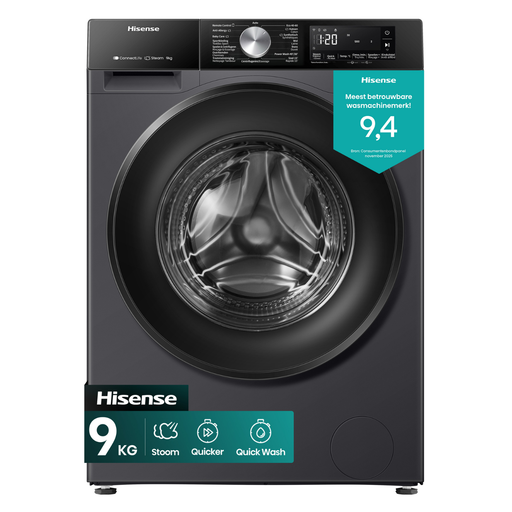 No image available
The stated capacity of 9 kg helps you compare this machine with a weighed cotton load. For a duvet, also consider its bulk and the programme’s load limit.
The product name lists 1400 RPM. The product description gives dimensions of 84,50 × 59 × 59,50 cm, Power Wash 49', Quick 15' and a steam function.
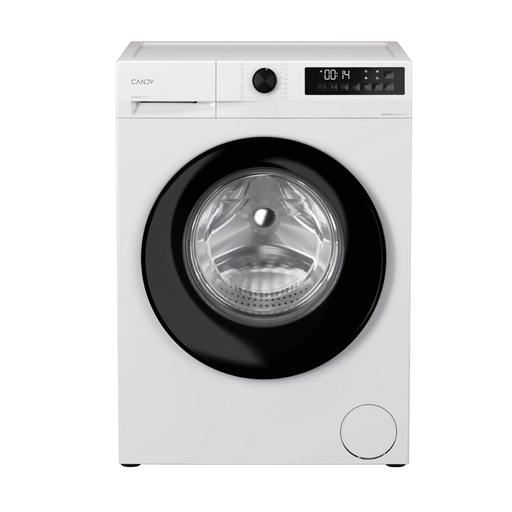 No image available
The stated capacity of 9 kg gives you a point of comparison for cotton bedding. Match the actual load to the programme you choose.
The product name lists 1351 RPM and energy class A. The product details list 16 wash programmes and a steam function.
The product details identify this model as a freestanding front-loader.
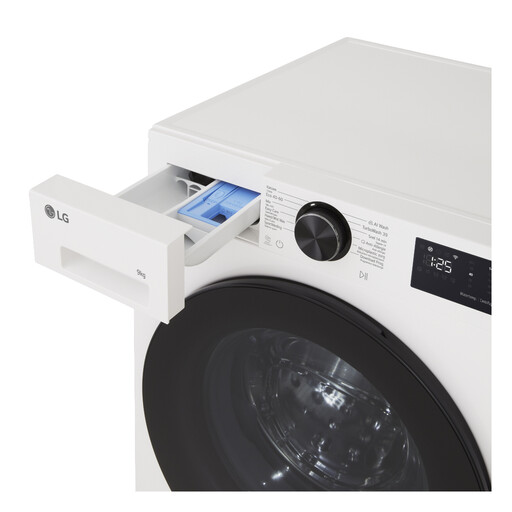 No image available
The stated capacity of 9 kg helps you compare the machine with a cotton bedding load. For a duvet, also check its care label and the programme’s load limit.
The product name lists Direct Drive, 6Motion and Steam. The product description mentions AI Wash and TurboWash 360.
The product name lists energy class A and a silver finish.
 No image available
The 45 cm depth listed in the product name lets you compare this model with a shallow laundry space. Its 6 kg capacity gives you a point of comparison for smaller cotton loads.
The product name lists a BLDC inverter motor, Steam Wash, Quick Wash 15 minutes, Auto Weight and energy class B.
No, the figure alone doesn’t tell you that. According to the Consumentenbond, the stated capacity applies to cotton. Check the care label and the programme’s permitted load, and make sure the duvet fits in the drum without being forced in.
Follow the duvet’s care label and make sure the filling is completely dry before packing it away. IKEA gives this advice for its own down and feather duvets; the guidance doesn’t automatically apply to products from other brands.
Check the instructions for your specific model for transport and installation. In its moving instructions, Bosch advises securing the drum with transit protection for transport and removing the transit bolts before the first wash after installation.
Compare energy and water figures on the same label basis, and check which programme suits the care label and the time you have available. The European Commission explains that the EU energy label shows consumption information for the eco 40-60 programme; this doesn’t automatically reflect the consumption of every programme.
Yes. The Netherlands Food and Consumer Product Safety Authority states that online shops must display the energy label and product information sheet for the relevant appliances on their website. This information requirement doesn’t mean you have to choose a particular energy class.