
If you often do small loads
You regularly wash a few flannels and want to choose a drum size that suits your usual load. Milieu Centraal stresses that drum capacity should match your household’s laundry needs.


Choose the drum capacity based on your usual laundry load, and treat seasonal laundry as a secondary consideration: Milieu Centraal advises choosing a drum to suit the amount of laundry you normally wash, rather than an occasional peak. For normally soiled flannels, a suitable eco or cotton programme is generally a more sensible choice than washing at a high temperature by default. Only choose a warmer wash or a specific hygiene treatment if the situation and care label allow it. Compare EU energy labels on the same Eco 40-60 basis, as Energielabel.nl points out that the label does not show the consumption of other programmes.
You regularly wash a few flannels and want to choose a drum size that suits your usual load. Milieu Centraal stresses that drum capacity should match your household’s laundry needs.
You want to choose between a standard wash and a suitable warmer or specific programme when the situation calls for it and the fabric can withstand the treatment. Energielabel.nl explains that the name Eco 40-60 does not mean the programme washes at 60 °C.
You sometimes have larger or mixed clothing loads, but still want to take your everyday laundry into account. AEG and Miele describe features or programmes for different loads and clothing washes on the models discussed.
Start with the amount of laundry you usually wash, then compare the programme load limits and features that matter for your seasonal laundry.
| What to consider | What should you check? | Who is this important for? |
|---|---|---|
| Drum size to suit your needs | Compare the maximum load capacity with the amount of laundry you usually wash, and check the load limit for the programme you want to use. | If I usually wash only a small load of flannels, I don’t want to choose a machine based on an occasional peak. Around 31% of consumers prioritise a capacity that suits small loads. |
| A programme to suit your laundry needs | Read the programme description and check the care label. Don’t assume that a short cycle, the name Eco 40-60 or a steam function automatically provides a hygiene treatment. | If I need a specific treatment for my flannels, I check that both the programme and the fabric are suitable. Around 31% of consumers give their choice of wash programme top priority. |
| Seasonal loads | Check the capacity as well as the permitted load and duration of the programmes you want to use for different types of clothing. | If there’s more clothing to wash when the seasons change, I want enough room without overlooking each programme’s load limit. Around 23% of consumers prioritise capacity and suitable programmes for seasonal clothing. |
| Space and energy use | Measure the available space and check the connection requirements. Compare energy figures on the same EU energy label basis; they don’t apply directly to every short or warmer programme. | Before choosing a machine, I want to know whether it will fit the available space and connections, and how much energy my usual programmes use. Around 15% of consumers prioritise installation and energy use. |
Your usual small loads may matter more when choosing a machine than an occasional large load. A large drum won’t automatically make part-load washes more efficient per kilogram.
First, work out how much laundry you usually wash, then use seasonal peaks as a secondary consideration. Also check the permitted load for each programme.
Energielabel.nl explains that Eco 40-60 does not mean the water reaches 60 °C. A short programme also has its own load limit and isn’t automatically intended for specific hygiene needs.
Choose the temperature and programme based on the situation, the fabric care label and the model’s instructions.
The comparable energy figures on the EU energy label are based on Eco 40-60. A short or warmer programme may use a different amount of energy.
Compare labels on the same basis, and check the model-specific information for the programmes you use most often.
An additional guarantee does not replace your statutory rights in the Netherlands if a product does not conform to the contract. Collection of an old appliance is a separate arrangement.
Read the guarantee terms separately, and when buying a similar new appliance, check how the old-for-new scheme applies.
According to Bosch, the Serie 6 WUU28T20NL combines an 8 kg drum with a short programme for smaller loads.
According to AEG, the 6000 ProSense LR63142 discussed here has a capacity of 10 kg, making it an option to consider if you regularly wash larger loads of clothing.
According to LG, the LG F4X1008NWH has an 8 kg drum and features that you can assess individually based on their programme and fabric requirements.
According to Miele, the WWC380 WCS has an 8 kg capacity and QuickPowerWash, which may suit you if programme duration is also a consideration.
These Joybuy product picks are suited to varying laundry loads and clothing washes when the seasons change. Check the permitted load for each programme and the care instructions for the fabrics you’re washing.
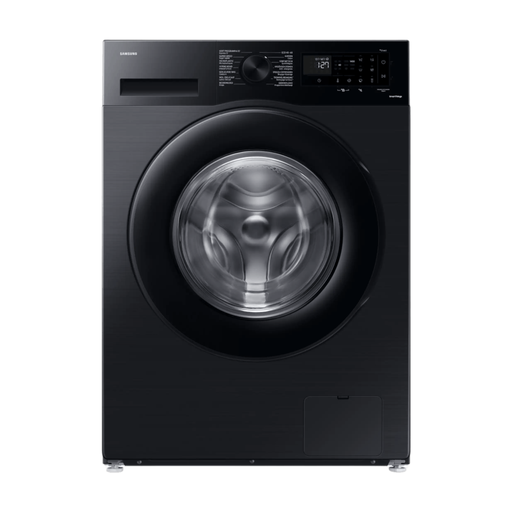 No image available
The product information lists automatic load adjustment and a half-load option, so you can take these features into account when your laundry loads vary.
The product title lists 11 kg, 1400 rpm and energy class A. The product description lists 14 programmes, including Quick Wash 15' and Hygienic Steam.
Check the load limit for your chosen programme; the drum capacity doesn’t automatically apply to every cycle.
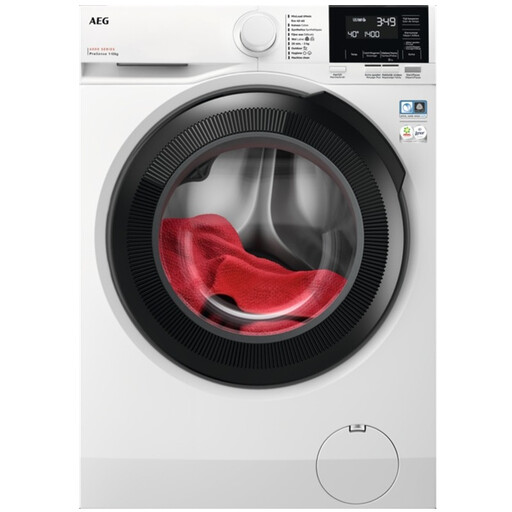 No image available
The 10 kg capacity may be useful if you regularly wash larger clothing loads; the product information also lists ProSense load sensing.
The product title lists 10 kg, 1400 rpm and energy class A. The product information lists an Anti Allergy Vapour programme at 60 °C.
Check whether the capacity suits your usual laundry load and whether the programme listed is suitable for the fabrics you want to wash.
 No image available
The product information lists load sensing, which you can take into account when washing loads of different sizes.
The product title lists 8 kg and 1600 rpm. The product information lists MixLoad 69 min at 30 °C and a separate Hygiene Steam programme.
Check the permitted load and the requirements for each programme before washing your flannels and seasonal clothing.
 No image available
The product information lists load sensing, a feature worth considering if your laundry loads vary in size.
The product title lists 8 kg and 1400 rpm. The product information lists a 69-minute mixed-load programme at 30 °C and a Hygiene Steam feature.
Check the permitted load and fabric requirements for each programme before choosing it for a specific laundry need.
 No image available
The product information lists ProSense load sensing, a feature to consider for both smaller and larger loads.
The product title lists 8 kg, 1400 rpm and energy class A. The product information lists an Anti Allergy Vapour programme at 60 °C.
Check the programme instructions and care label to make sure the treatment you choose is suitable for the fabric.
No, not as a general rule for normally soiled laundry. Milieu Centraal mentions situations such as an infectious illness or dust mite allergy where a warmer wash may be relevant; also follow the care label on your flannels.
No. According to Energielabel.nl, the temperature of Eco 40-60 does not exceed 40 °C. So don’t choose this programme just because of its name if the situation calls for a specific warmer treatment.
The energy label does not give a consumption figure for every short or warmer programme. The European Commission describes washing machine label figures as being based on prescribed measurement information. So compare models on the same label basis, and check the product-specific information for the programmes you use most often.
Check the space and connections, follow the manual and remove the transit bolts before use. Bosch warns that leaving the transit bolts in place can damage the machine; always follow the instructions for your chosen model when connecting it.
There is no fixed statutory guarantee period in the Netherlands. According to the Dutch government, you are entitled to a product that is fit for purpose, and the appropriate solution if something goes wrong depends on the circumstances. When you buy a new, similar appliance, the retailer must take back your old appliance under the old-for-new scheme, including for online purchases.