Who is this advice for?

Families who regularly wash cotton

You wash cotton pyjamas with other clothes and want a drum that suits your usual load. Milieu Centraal and the Consumers’ Association recommend choosing a capacity that matches the laundry you actually wash, rather than basing it solely on the number of people in your household.

Families with larger loads each time

You regularly save up larger cotton loads and want to wash them together. A larger drum could be right for you if you can usually fill it sufficiently, as Milieu Centraal and the Consumers’ Association emphasise in their capacity guidance.

Families with limited space for installation

You’ll also need to consider the space available, a firm surface, and the potential impact of noise or a leak. Measure the space and check the installation and water protection information for the exact model.

What should you consider when choosing?

What to consider What to look for Who is this most relevant to?
Capacity for everyday laundry Weigh a typical cotton load and compare it with the capacity of the programme you want to use. When I wash a regular family load, I don’t want to base my decision solely on the number of people. Consumers who are mainly looking for a suitable capacity make up around 33% of consumers in this decision-making process.
Cotton programme Check that there’s a cotton programme and read the care labels on your pyjamas. Eco 40-60 is relevant for normally soiled cotton that can be washed at 40 °C or 60 °C according to its care label. When I want a programme that suits the care label and level of soiling, I look at the cotton settings first. Consumers who prioritise how cotton is treated make up around 27% of consumers in this decision-making process.
Energy and water consumption For models with a suitable capacity, compare energy consumption per 100 eco 40-60 cycles, water consumption per cycle and programme duration on the EU label. These figures don’t automatically apply to other programmes. If I do laundry often, I want to be able to compare consumption figures on the same basis. Consumers who mainly consider energy and water consumption make up around 20% of consumers in this decision-making process.
Space and installation Measure the available space and access route; check the model’s dimensions, the floor, connections and type of water protection. If space is limited or a leak could have serious consequences in my home, I want to know in advance whether installation and connection are possible. Consumers who prioritise the installation space make up around 13% of consumers in this decision-making process.
Service and warranty Read the terms for delivery, installation, repairs and any extended warranty; keep the seller’s details. If I want to know quickly who to contact if something goes wrong, I compare the service terms alongside my statutory rights. Consumers who prioritise aftercare make up around 7% of consumers in this decision-making process.

Pitfalls to avoid

  • Choosing a large drum just because you have a family

    The number of people in your household doesn’t tell you how much cotton you usually wash at once. A larger machine isn’t automatically a better fit for everyday loads.

    Weigh a typical load and choose a capacity that suits the loads you usually wash.

  • Assuming the EU label figures apply to every programme

    The energy, water and programme duration figures are for eco 40-60 and don’t automatically apply to other programmes.

    Compare models using the same label figures and check separately which programmes are suitable for your pyjamas.

  • Confusing a steam refresh function with a full wash

    Refreshing clothes and washing them aren’t necessarily the same thing, especially when they’re dirty.

    For pyjamas that need washing, choose a programme that suits the care label and level of soiling. Treat refresh functions as an additional feature.

  • Checking the installation space and water protection only after you’ve bought it

    Available space, connections and the possible impact of a leak vary from one home to another. The model must also be installed in accordance with its instructions.

    Measure the space and access route in advance, and check what water protection the exact model has.

Brands to compare

Beko

The BM3WFT3841W is an 8kg front-loader with a cotton programme, worth comparing for everyday family laundry.

  • Beko lists an 8 kg capacity, a maximum spin speed of 1400 rpm and a cotton programme for this model.
  • Beko’s EnergySpin claim compares specific programmes with another Beko model; it isn’t an independent comparison with other brands.

Bosch

The Serie 6 WGJ23400NL is an 8kg model to compare for capacity and features for everyday family loads.

  • Bosch specifies an 8 kg capacity and a maximum spin speed of 1400 rpm for this model.
  • The motor warranty mentioned by Bosch covers the motor; on its own, it doesn’t tell you what cover applies to the whole washing machine.

LG

The F4X5009THB is a 9kg option for households that regularly wash larger loads.

  • LG lists AI DD, TurboWash360, Steam and ThinQ as features of this model.
  • Claims about clothing care, speed or hygiene are made by LG. Check the conditions for your chosen programme and the care label.

AEG

The LR7694E4 is a 9kg front-loader with a Steam Refresh function alongside its wash programmes.

  • AEG specifies a 9 kg capacity, 1400 rpm and 39 kWh per 100 eco cycles for this model.
  • The benefits AEG attributes to Steam Refresh and PreciseWash are manufacturer claims. Refreshing doesn’t automatically replace washing dirty pyjamas.

Miele

The WEE388 WCS is an 8kg front-loader for anyone who wants to compare this model’s specific features and terms.

  • Miele lists an 8 kg capacity, 1400 rpm, SteamCare and QuickPowerWash for this model.
  • Claims about shorter ironing times and a quick wash come from Miele; they aren’t independent test results or features of every Miele washing machine.

Washing machines at Joybuy

This selection includes freestanding front-loaders with a stated capacity of 8 or 9 kg, for comparing models suited to everyday or consistently larger family loads.

Samsung WW90DG6U25LE washing machine, 9 kg, white

Samsung WW90DG6U25LE, 9 kg, 1400 rpm

The stated capacity could suit households that regularly wash larger loads; choose 9 kg only if you can fill the drum properly with your usual laundry.

The product name lists 9 kg, 1400 rpm and energy class A.

View at Joybuy
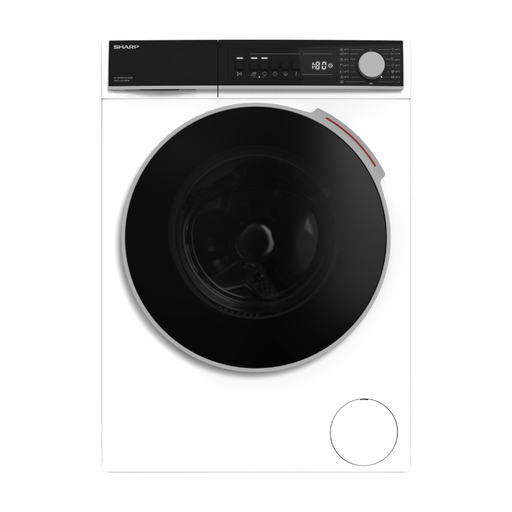
SHARP ESNFB914CWDACB washing machine, 9 kg, white

SHARP ESNFB914CWDACB, 9 kg, 1400 rpm

The 9kg capacity could be useful if you regularly wash larger family loads together; choose a drum that suits the amount of laundry you usually wash.

The product name lists 9 kg, 1400 rpm and energy class A.

View at Joybuy
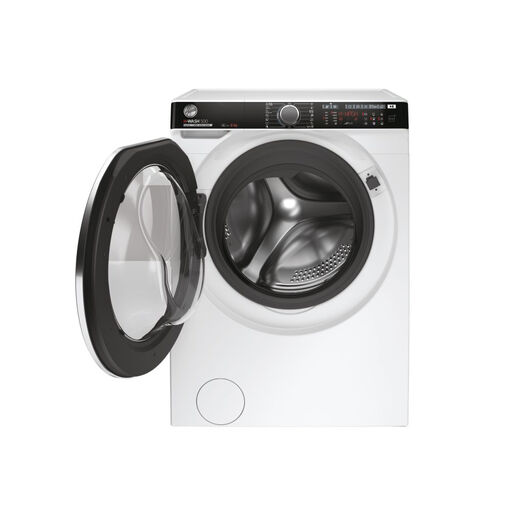
H-W-P 48AMBC7/1-S freestanding front-loader, 8 kg, white

H-W-P 48AMBC7/1-S, 8 kg, 1400 rpm

The stated 8 kg capacity is an option to compare for everyday family laundry; measure the available space before choosing a model, too.

The product name lists a freestanding front-loader, 8 kg, 1400 rpm and class A. Installation on a flat, stable floor is a stated requirement.

View at Joybuy
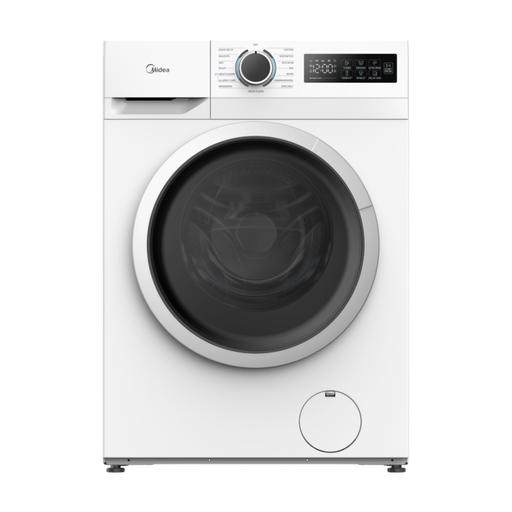
Midea MF110W80BA10/W-NL washing machine, 8 kg, white

Midea MF110W80BA10/W-NL, 8 kg, 1400 rpm

This 8kg option could suit everyday family loads if you can usually fill the drum properly.

The product name lists 8 kg, 1400 rpm, 15 wash programmes and class A.

View at Joybuy

Beko BM3WFU38412CW washing machine, 8 kg, white

Beko BM3WFU38412CW, 8 kg, 1400 rpm

The stated 8 kg capacity could suit everyday family laundry; compare it with the amount of cotton you usually wash at a time.

The product name lists 8 kg, 1400 rpm and energy class A.

View at Joybuy

Frequently asked questions

Do cotton pyjamas always need to be washed at 60 °C?

No. Check the care label first, then choose a temperature and programme that suit the level of soiling. Eco 40-60 is a relevant option for normally soiled cotton that can be washed at 40 °C or 60 °C according to its care label. Milieu Centraal recommends 60 °C for specific hygiene-related situations, not as a general requirement for every pair of pyjamas.

What should I check before the first wash after installation?

Check that the machine is level on a flat, firm surface and that the transit bolts have been removed. Connect the water supply, drain and earthed socket in accordance with the installation instructions for your chosen model.

How should I maintain a machine that often washes at low temperatures?

Milieu Centraal recommends running a 60 °C wash once a month to remove detergent and dirt residue and help prevent unpleasant smells. Also follow the maintenance instructions for your chosen model.

Do I need an extended warranty in the Netherlands to request a repair if something goes wrong?

No. If a product is faulty, your statutory warranty rights apply and the seller is your point of contact. According to the Dutch government, there’s no fixed statutory warranty period for all products; an extended warranty may offer additional rights, but it doesn’t replace your statutory rights.

Which EU label figures are useful when comparing washing machines?

For washing machines on the EU market, compare figures such as energy consumption per 100 cycles, water consumption per cycle, programme duration and noise. The European Commission describes the current EU label for this product group as using a scale from A to G. Check the figures for the exact model, and don’t assume that the eco 40-60 figures directly tell you how much other programmes consume.
