What should you look for when buying?
First compare the drum capacity with your usual family laundry. Then check that the machine has the programme you need, and finally look at energy and water use and where it will fit.
| What to consider |
What should you check? |
Who should pay particular attention? |
| Capacity for family laundry |
Compare the number of people in your household and the amount of cotton laundry you usually wash with the drum capacity. Check the maximum load for the programme you plan to use. |
I want to wash pillowcases with other suitable family laundry; around 36% of consumers prioritise a drum capacity that suits their family’s laundry. |
| Programme for pillowcases |
Check the care label first, then see whether the machine has the standard 60 °C cotton programme you need. Don’t judge a steam or allergy programme by its name alone. |
As a consumer, I want a programme that suits my pillowcases and any need to wash at 60 °C; around 29% of consumers prioritise this way of washing. |
| Energy and water use for frequent washing |
Compare energy and water information on the same basis. Keep the figures for Eco 40–60 separate from those for a standard 60 °C programme. |
I want to take energy and water use into account when washing regularly; around 21% of consumers prioritise energy and water consumption. |
| Space and ease of use |
Measure the space and access route, and check the machine’s dimensions, door opening and clearance needed for the door. |
As a consumer, I want to know in advance whether the machine will fit in the available space and be easy to use; around 14% of consumers prioritise fit and ease of handling. |
Washing machines at Joybuy
These Joybuy products are options to compare for family laundry, with models suited to both typical and larger loads.
 No image available
Samsung WW90DG6U25LE, 9 kg, 1400 rpm
An option to compare if you regularly wash larger family loads.
AI Ecobubble, SuperSpeed, Wi-Fi (SmartThings), 6000 Series and energy rating A.
View at Joybuy
 No image available
Bosch WGB2440BFG Serie 8, 9 kg
An option to compare if you regularly have larger family loads.
1400 rpm, energy rating A, NL/FR panel, white.
View at Joybuy
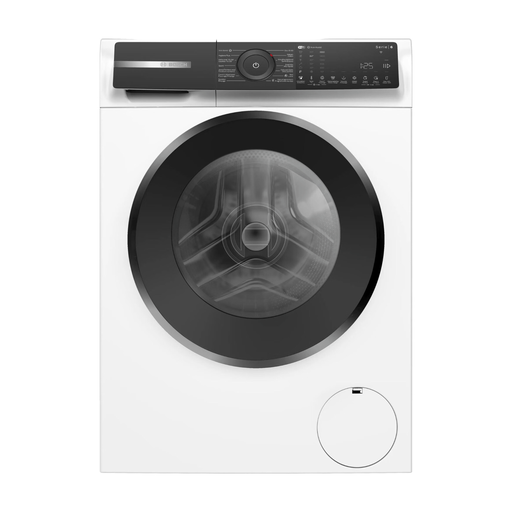 No image available
Bosch WGH25605FG Serie 6, 10 kg
A model to compare if you often have larger laundry loads.
1600 rpm, energy rating A, NL/FR panel, white.
View at Joybuy
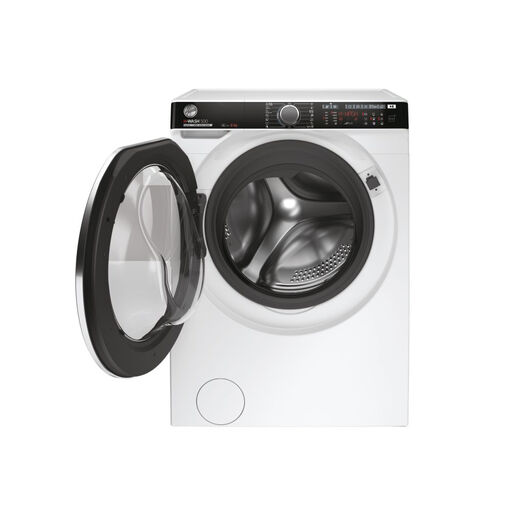 No image available
HWP 48AMBC7/1-S, 8 kg
An option to compare for family laundry if an 8 kg capacity suits your usual loads.
Freestanding front-loader, 1400 RPM, energy rating A, white.
View at Joybuy
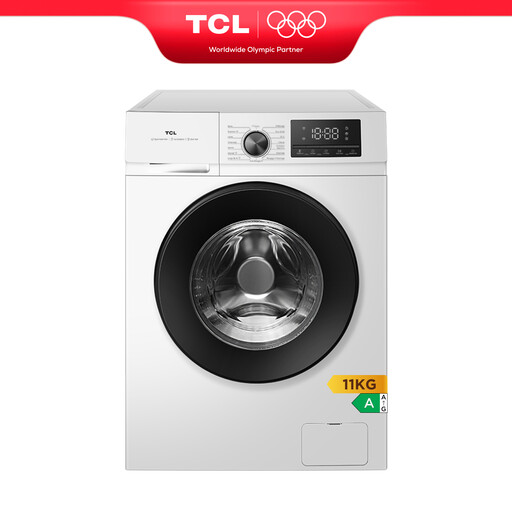 No image available
TCL FF2411WA2NL, 11 kg
A model to compare if you regularly wash very large loads.
BLDC inverter motor, Quick Wash 15mn, Add Garment, energy rating A.
View at Joybuy
Frequently asked questions
Do pillowcases always need to be washed at 60 °C?
No, not as a general rule for every fabric or household. Follow the care label. Thuisarts recommends washing pillowcases at 60 °C as part of measures to tackle dust mites. If the care label doesn’t allow this temperature, don’t ignore it.
Is Eco 40–60 suitable if I want to wash bedding at 60 °C?
According to the Consumers’ Association, Eco 40–60 is not suitable if your bedding needs to be washed at 60 °C to meet your washing requirements. Check the care label and, if needed, choose a suitable standard cotton programme at 60 °C.
What should I check before installation and for maintenance?
Measure the space and access route, and check that there’s enough room to open the door and load and unload the machine. Follow the instructions for your chosen model when carrying out maintenance.
Who can help if the machine develops a fault, and what should I do with the old one?
If the product doesn’t meet the terms of your agreement, you can contact the seller about your statutory guarantee. A manufacturer’s warranty doesn’t replace this right, according to the Dutch Government. You can return an old machine to the shop or online retailer where you buy a new, similar appliance, or take it to your local council recycling centre.
Are washing machines sold in the Netherlands required to have an energy label?
Yes. The Dutch Government states that household appliances, including washing machines, must have an energy label. For washing machines, the label also includes information about water use. This doesn’t mean you have to choose a particular energy rating.


