
If you wash small loads
You only wash a few reusable napkins at a time and want to avoid choosing a drum capacity you rarely use. Consumentenbond advises choosing a large washing machine only if you can usually fill it appropriately.


You don’t necessarily need a new washing machine just because a few fabric table napkins got wet on a rainy journey. First check the care label, how dirty they are and whether you can wash them with other suitable laundry. If you do need a replacement, choose a capacity that suits your usual load and compare the programmes and energy and water consumption. Consumentenbond and Milieu Centraal advise looking beyond a large drum or a short cycle alone.
You only wash a few reusable napkins at a time and want to avoid choosing a drum capacity you rarely use. Consumentenbond advises choosing a large washing machine only if you can usually fill it appropriately.
You want to use the napkins again soon, so you’re looking at what short programmes can handle. But a faster cycle doesn’t necessarily mean stains will be removed.
Food stains or different fabric types make checking the care label and choosing the right programme more important than simply picking the shortest cycle. Milieu Centraal advises checking the washing instructions on the label.
First check the care label and your usual laundry load. Then compare the programmes, energy label consumption and the space available for installation.
| What matters when buying | What to look for | Who is this important for? |
|---|---|---|
| Capacity for small loads | Compare the drum capacity with the total amount of laundry you usually wash. Also check the permitted load for the programme you choose. | If I’m only washing a few napkins, I want the capacity to suit the rest of my usual laundry. Around 28% of consumers prioritise small loads. |
| Using the napkins again soon | Check the programme duration and permitted load, and make sure the programme suits the fabric and how dirty the napkins are. | If I need the napkins soon, I want to know whether a short programme is suitable for this load. Around 22% of consumers prioritise being able to reuse items quickly. |
| Stains and fabric care | Read the care label and check which cotton, delicates and, if available, stain-removal programmes the exact model has. | If my napkins are stained or delicate, I want to be able to tailor the wash to the fabric. Around 22% of consumers prioritise stain removal and fabric care. |
| Energy and water consumption | Compare energy consumption per 100 cycles and water consumption on the same EU label basis. Bear in mind that other programmes may use different amounts. | If I do laundry regularly, I want to take the label figures into account without assuming they apply to every programme. Around 17% of consumers prioritise running costs. The European Commission explains that label figures are based on the eco 40-60 programme. |
| Space and connections | Measure the space available and check the connection instructions for water, drainage and electricity. If the room is prone to noise, also check the stated spin noise level. | If space or connections are limited, I want to know in advance whether the machine can be installed there in practice. Around 11% of consumers prioritise installation requirements. |
A high capacity isn’t necessarily right if you usually wash small loads. Consumentenbond advises choosing a drum size that suits the amount of laundry you can usually put in it.
Choose a capacity based on your usual total laundry load, not the occasional napkin. If the care label allows, wash the napkins with similar items.
A short programme doesn’t mean the cycle is suitable for every fabric or stubborn stains. Not every stain will come out in the washing machine.
Read the care label and check the exact model’s instructions to see which loads and fabrics the short or stain-removal programme is intended for.
Label figures are based on a specified programme. Your actual consumption may differ if you choose a short programme, another cycle or a different load size.
Compare label figures on the same basis and also consider which programmes you’re likely to use.
A manufacturer’s warranty or paid-for extra cover doesn’t replace your statutory rights if a product is faulty. The Dutch government advises contacting the retailer if there’s a problem.
Check what additional rights any extra cover provides, and remember that these are separate from your statutory rights.
The Beko BM3WFU38412CW is a freestanding machine with an 8 kg capacity.
The Bosch Serie 4 WAN2827DNL is a freestanding front-loader with an 8 kg capacity, an add-item function and a Speed Perfect option.
Haier describes the X 7 as a freestanding washing machine with an 8 kg capacity and Rapid Wash, Eco Wash and Intense Wash programmes.
These Joybuy washing machine picks are suited to small, quick or fabric-conscious washes. For each model, check that the stated features and capacity suit your napkins and usual laundry load.
 No image available
For varying load sizes, check the model information to see how the stated PreciseWash function adjusts to the load.
8 kg; 1400 rpm; ProSteam; PreciseWash; Inverter Motor+; energy class A-40%.
 No image available
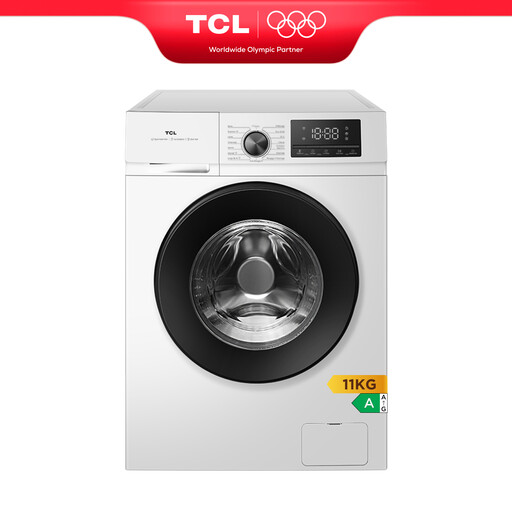
The product name mentions a 15-minute Quick Wash. Check that the permitted load and fabric type suit your laundry.
11 kg; BLDC Inverter Motor; Magic Flow; Quick Wash 15 min; Add Garment; energy class A.
 No image available
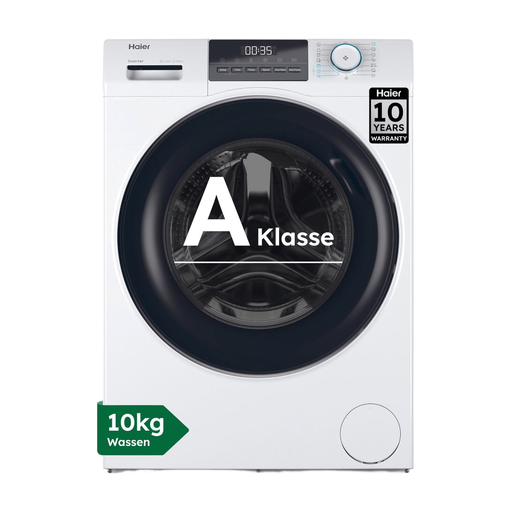
For varying load sizes, you can weigh up the stated features against your usual laundry. Check the model information to find out what the adjustment does.
10 kg; 1400 rpm; Inverter Motor; ABT; 70 dB; Steam.
 No image available
If you wash different fabric types, compare the listed programmes with the instructions on the care label.
8 kg; 1400 rpm; 16 wash programmes; energy class A-10%.
 No image available
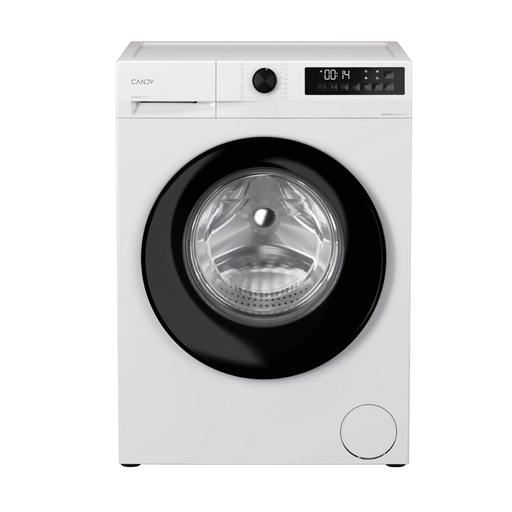
Compare the listed short cycles with the care instructions and the load you want to wash.
9 kg; 1351 rpm; energy class A; 16 wash programmes.
No, getting wet on the journey isn’t in itself a reason to wash the napkins. Check whether they’re actually dirty and refer to the fabric care label before washing or treating any stains.
No. The European Commission describes eco 40-60 as being for normally soiled cotton that can be washed at 40 °C or 60 °C according to the fabric information. So check the fabric and care label first; the programme name isn’t a universal washing instruction.
Follow the installation instructions for your chosen model. Bosch recommends, among other things, a stable surface, suitable water and drainage connections, an earthed socket and removing the transit bolts. Consumentenbond also advises paying attention to detergent dosage, the door seal and filter, and leaving the drum to dry.
The Dutch government says you’re entitled to a product that works as it should, and that you should contact the retailer if there’s a problem. A manufacturer’s warranty or an extra warranty you’ve purchased is in addition to your statutory rights; those rights aren’t automatically limited to the length of the manufacturer’s warranty.
According to the European Commission, since 1 March 2021 the EU energy label for household washing machines has run from A to G and includes information such as energy consumption per 100 cycles. Compare models on the same label basis, and don’t assume that figure represents the consumption of every other programme.