
Renter with limited floor space
Measure not only the space available, but also the clearance needed for an open door or lid, and the options for water supply and drainage. A narrow top-loader and a mini washing machine each need a different set-up.


First, choose a machine that fits the available space, connections and clearance needed to open it. Then decide whether you’ll be washing only small loads of napkins or other laundry too. A mini washing machine requires separate steps for washing and spinning; a top-loader saves width but needs clearance above the lid; and a front-loader is an option if both the machine and its door fit in your home.
Measure not only the space available, but also the clearance needed for an open door or lid, and the options for water supply and drainage. A narrow top-loader and a mini washing machine each need a different set-up.
Choose a programme to suit the care label and level of soiling. A short cycle or a programme name alone won’t tell you what temperature the fabric will reach.
Compare the drum capacity with the amount of laundry you’d usually wash alongside the napkins, and consider energy use and noise levels.
Start with the space and connections in your rented home. Then choose a type of machine that suits the amount and type of laundry you actually want to wash.
Choose this option: if you mainly wash small loads of napkins and can manage the water supply and drainage arrangements.
Bear in mind: washing and spin-drying capacities differ. The vidaXL model reviewed lists a 3.6 kg washing capacity and a 2 kg spin-drying capacity.
Choose this option: if floor width is your main constraint and you also want to do regular household laundry.
Bear in mind: Whirlpool lists model TW 6521S SENSE WASH BE as 40 cm wide, 60 cm deep and 90 cm high. You’ll also need clearance above the lid.
Choose this option: if the machine, doorway and fixed connections all fit, and you want to wash napkins with other suitable laundry.
Bear in mind: Bosch lists model WGE02404NL as 598 mm wide. Also measure the clearance needed to open the door.
| What to consider | What to check before buying | Who should consider this? |
|---|---|---|
| Size and connections | Measure the space and access routes; check the model’s dimensions, opening clearance, hoses and available connections. | If you first want to know whether the machine will fit in your rented home, prioritise getting the fit right; around 33% of consumers share this priority. |
| Programme for napkins | Read the care label and check which programmes and adjustable temperatures the exact model offers. | If you want to choose a programme that suits the material and level of soiling of your napkins, prioritise cleaning performance; around 27% of consumers share this priority. |
| Noise and placement | Compare the noise level during spinning and check whether the machine can stand on a stable surface. | If noise is an important consideration in a small home, pay particular attention to spinning and vibration; around 20% of consumers prioritise this. |
| Capacity and energy use | Decide what other laundry you can wash with the napkins, then compare the capacity and stated energy use of suitable models. | If you want to avoid choosing a capacity that doesn’t suit the amount of laundry you usually do, prioritise a suitable load size; around 20% of consumers share this priority. |
The title of the vidaXL mini washing machine reviewed states 5.6 kg, while the listed capacity is split into 3.6 kg for washing and 2 kg for spinning.
Compare the washing and spin-drying capacities separately with the number of napkins you want to wash.
A separate spin-drying capacity may mean processing loads in more cycles and doing extra steps.
The Whirlpool model reviewed is 40 cm wide, but it is also 60 cm deep and 90 cm high. The lid must be able to open, too.
Measure the entire space and the clearance you’ll need when loading the machine before choosing a model.
According to the Consumentenbond, Eco 40-60 is designed for normally soiled cotton that can be washed at 40 or 60 °C according to its care label. The programme name doesn’t mean every part of the wash takes place at 60 °C.
Check the care label and choose a programme that suits the fabric and the temperature required.
A brand offering a mini washing machine with separate washing and spin-drying drums as an option for small loads.
A narrow top-loader may be worth considering if floor width is limited.
A freestanding front-loader is an option if you have room for a regular-sized machine and also wash other laundry.
A compact machine with a spin function may be an option if a large, fixed machine isn’t practical.
This selection includes mini washing machines for small loads and freestanding front-loaders for washing napkins alongside other suitable laundry.
 No image available
A freestanding front-loader for washing napkins alongside other suitable laundry; measure the space and doorway.
Capacity: 8 kg. Spin speed: 1400 rpm. The product name lists PreciseWash, Inverter Motor+ and Energy Class A-40%.
Stated dimensions: 84,7 × 59,6 × 57,2 cm.
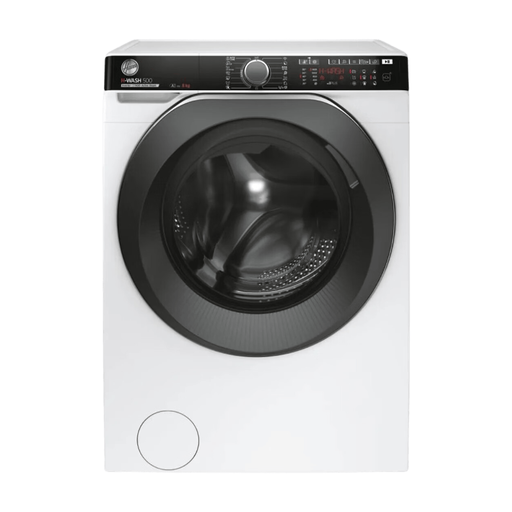 No image available
A freestanding front-loader to consider if you want to wash napkins with other suitable laundry; check the space available.
Capacity: 8 kg. The product name lists an inverter motor, Wi-Fi, Bluetooth and Steam.
Stated dimensions: 600 × 540 × 850 mm.
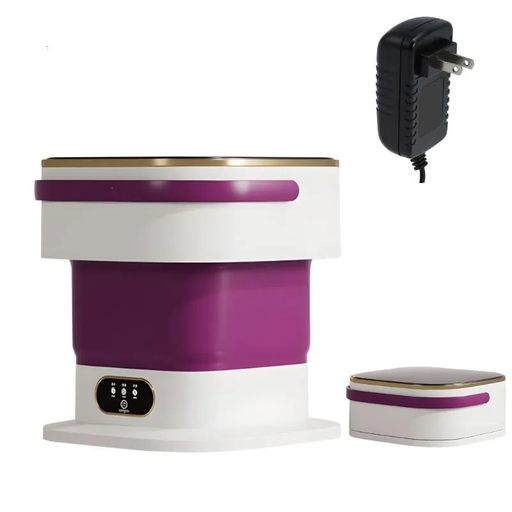 No image available
A compact option for small loads in a limited living space. Check where you can fill and drain the machine.
The product name lists a capacity of 15 litres and a spin basket. Colour: purple.
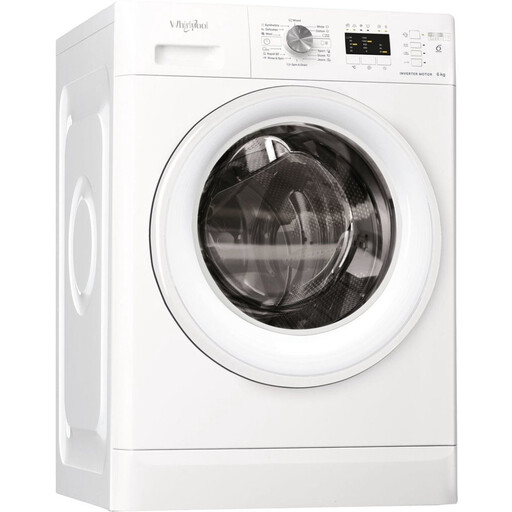 No image available
A front-loader for washing napkins with other suitable household laundry; check that the machine and door will fit.
Capacity: 6 kg. The product name lists a front-loader and a spin speed of 1200 rpm.
Stated dimensions: 59,5 × 57,5 × 84,5 cm.
 No image available
A front-loader to consider if the space available is limited in depth; compare the stated measurement with your space.
The product name lists a depth of 45 cm and a BLDC inverter motor.
No. According to the Consumentenbond, the programme is designed for normally soiled cotton that can be washed at 40 or 60 °C according to its care label; the temperature actually reached may be lower. Choose another suitable programme if the care label and your needs call for a specific higher temperature.
No. The fact that they’re napkins doesn’t mean they always need to be washed at that temperature. Check the care label and take the level of soiling into account. The Voedingscentrum recommends washing used kitchen towels and tea towels at 60 °C; that advice doesn’t automatically apply to every table napkin.
Check the space, that the floor is stable, and that you have the water and drainage connections you need. According to the Rijksoverheid, you need your landlord’s permission for changes that can’t be reversed without significant cost; small, reversible changes aren’t included. Whether your installation counts as a change to the property depends on what you plan to do.
No. ACM ConsuWijzer explains that the law doesn’t specify a fixed duration for the statutory guarantee. With normal use, the expected lifespan depends on what you can reasonably expect from the product; if it develops a fault too soon, speak to the seller.
Follow the care instructions for your chosen model. The Consumentenbond recommends cleaning and maintaining it regularly to help prevent problems such as odours and blockages.