Choose a drum size to suit your usual load of bedding, then check that the programme you want can handle it. A short programme can be handy for getting a wash done before the working week, but it won’t necessarily be suitable for a full load. Also consider the spin result, energy label and space available for drying.
Who should consider this?
Weekend washer with lots of bedding
You want to wash duvet covers and sheets in a suitable load before the working week begins. As well as checking the load capacity, look at the drum space and the programme’s maximum load. Consumentenbond points out that the stated load capacity applies to cotton.
Washer with a tight time window
You only have a limited time to do the washing and want to know whether a short programme can handle your full load of bedding. Check the requirements for the specific programme: a short cycle on one model doesn’t automatically tell you what other models can do.
Washer with limited drying space
You want to get large duvet covers dry in good time. So look at the spin result and the space available for drying, not just the maximum spin speed. Consumentenbond notes that a 1400 rpm spin doesn’t necessarily leave clothes wetter than a 1600 rpm spin.
What should you look for when buying?
| What to consider |
What to look for when buying |
Who should pay particular attention? |
| Suitable capacity |
Weigh a typical sorted load and check the drum space and programme load limit. The stated load capacity applies to cotton; Consumentenbond and Milieu Centraal stress that the capacity should suit your usual washing. |
I want to wash my usual duvet covers and sheets without cramming them into the drum. Around 33% of consumers prioritise a suitable capacity for bedding. |
| Wash time |
Check the maximum load and requirements for the specific short programme. Allow for the time needed to hang or dry the washing too; the eco 40–60 duration doesn’t apply to a different cycle. |
If I only have a limited amount of time at the weekend, I want to know whether the load I need to wash will fit into that time window. Around 27% of consumers prioritise the time available for washing. |
| Drying in good time |
Where possible, compare measured spin results for the exact models, and take the care label and available drying space into account. The maximum spin speed alone won’t predict how much moisture remains; Consumentenbond also warns that a higher speed may cause more creasing. |
With little room to hang large duvet covers, I mainly want to know how well they spin-dry. Around 20% of consumers prioritise drying time. |
| Energy and water consumption |
Compare the EU energy label figures for kWh per 100 eco 40–60 cycles, water per cycle and programme duration; the European Commission explains this label information. Also consider whether the capacity suits your usual washing. |
I also want to keep an eye on the ongoing energy and water costs of my regular washing. Around 20% of consumers rank running costs among their main purchase concerns. |
Common pitfalls
-
Treating a duvet and a duvet cover as the same load
A filled duvet calls for different considerations around drum space and washing instructions. Advice for a duvet cover doesn’t automatically apply to a filled duvet too.
Think about what you actually want to wash, read the care label and check that the load and fabric type are suitable for the cycle you choose.
-
Buying an extra-large drum for the occasional bedding wash
Consumentenbond reports that some machines with a capacity of 10 kg or more may wash a half load less effectively. So a larger capacity isn’t automatically an advantage if your usual load is much smaller.
Choose a capacity that suits your usual sorted load, and check that the larger machine will fit in the space you have available.
-
Relying only on 1400 or 1600 rpm to predict drying time
According to Consumentenbond, a machine spinning at 1400 rpm can leave clothes just as dry as one spinning at 1600 rpm. A higher spin speed may also cause more creasing.
Where possible, compare measured spin results for the exact models and take the care label and space available for drying your bedding into account.
-
Assuming a motor warranty covers the whole washing machine
A manufacturer’s warranty or motor warranty offered with a product is not the same as your statutory rights against the seller.
Read which parts and conditions are covered by any additional warranty, and consider your statutory warranty rights separately. ACM ConsuWijzer explains that the seller is responsible for providing an appropriate solution if, under normal use, a product doesn’t do what you could reasonably expect.
Brands to consider
AEG
The AEG LF6ECB94 is one model to consider if you’re looking for a short programme specifically rated for a full load.
- For this 9kg model, AEG lists a 45-minute MaxWash programme for a full load, energy class A and an eco 40–60 duration of 3 hours and 40 minutes at rated capacity.
- The 45-minute duration applies to MaxWash, not eco 40–60. Check the manual for the fabric types and programme requirements for your bedding.
Bosch
The Serie 6 WGG244FSNL is a 9kg model with a stated maximum spin speed of 1400 rpm.
- Bosch’s model specifications state a capacity of 9 kg and a maximum spin speed of 1400 rpm.
- Bosch says the maximum spin speed may automatically decrease if the load is unbalanced. These specifications alone don’t tell you how dry duvet covers will be after spinning.
LG
The F4X1009NWK and F4X5009THB are two different LG models, each with a stated capacity of 9 kg.
- LG lists Inverter Direct Drive and app features for the F4X1009NWK, and TurboWash360° for the F4X5009THB.
- Manufacturer claims about quiet or fast washing aren’t an independent comparison. Check the programme load limit for the exact model.
Samsung
The Samsung WF90H09C4WT2 is a 9kg model for anyone who also wants to consider smart programme controls.
- Samsung lists an A energy rating and AI Wash+ for this model.
- Claims about load detection and washing performance come from the manufacturer; they don’t mean that a short cycle can handle a full load of duvet covers.
Washing machines at Joybuy
This selection includes washing machines with a range of stated capacities and programmes for bedding or everyday washing. Check each model to make sure the load and cycle suit your duvet covers and the time you have available for washing.
 No image available
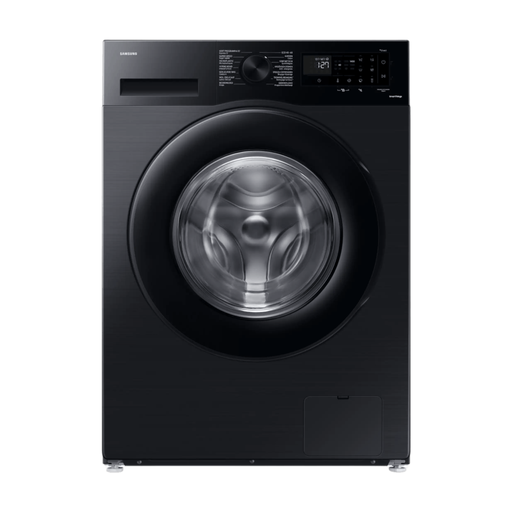
Samsung WW1UDG5B25ABEN, 11 kg
The product information lists a Bedding programme for bed linen and a capacity of 11 kg.
SuperSpeed is specified for 5 kg in 39 minutes; this isn’t a fast cycle for the full capacity. The product name lists a maximum of 1400 rpm, an A energy rating and Wi-Fi.
View at Joybuy
 No image available
Samsung WW90DG6U25LE, 9 kg
The product information lists a bedding programme and space for larger loads.
SuperSpeed is specified for 5 kg in 39 minutes, not for a full load. The listed specifications include a maximum of 1400 rpm, an A energy rating and 44 kWh per 100 cycles.
View at Joybuy
 No image available
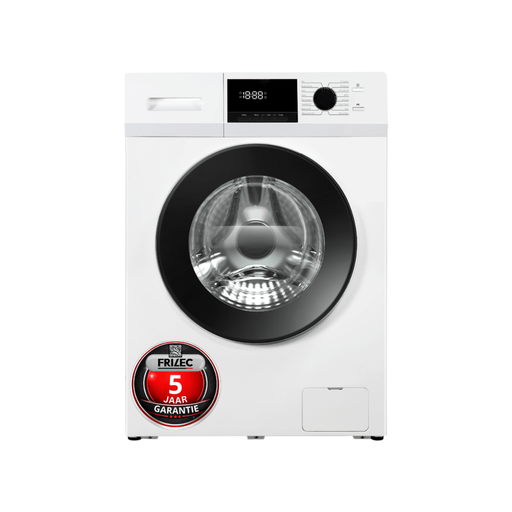
Frilec KOBLENZ8314WA-342, 8 kg
The product information lists bedding as one of the intended load types and includes a delay start function.
The stated specifications include a capacity of 8 kg, a maximum of 1400 rpm and an A energy rating. A quick wash programme and several other wash programmes are also listed.
View at Joybuy
 No image available
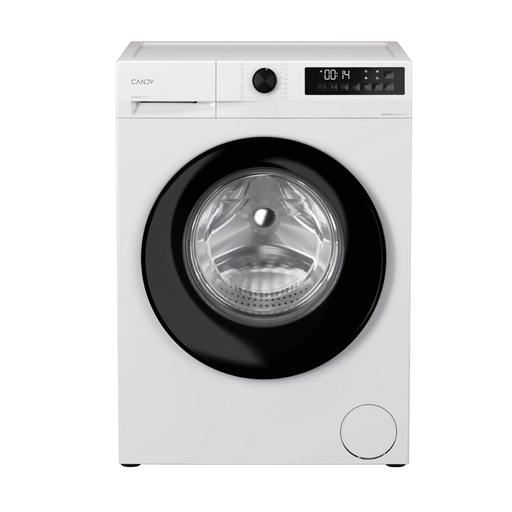
Candy GD 49B8-S, 9 kg
The stated capacity is 9 kg; the product information also lists a full-load programme lasting 3 hours and 48 minutes.
The drum capacity is 61 litres. Other listed details include a maximum of 1351 rpm, an A energy rating and 40 kWh per 100 eco 40–60 cycles. The quick cycles listed last between 14 and 59 minutes.
View at Joybuy
 No image available
Comfee CFP01EW70W-JD, 7 kg
The product name states a 7 kg load capacity; the product information lists a delay start and a quick wash programme.
The product name lists an A-10% energy rating and 400 mm Ultra Slim Design. Check that the capacity suits the loads you usually wash.
View at Joybuy
Frequently asked questions
Do you need a 9 kg machine for a duvet cover?
No. The capacity you need depends on what you’re washing together and the load limit for the programme you choose. Weigh your usual load and check that it fits without being crammed in; a duvet cover isn’t the same as a filled duvet.
Does a quick programme wash a full drum in that time?
Not necessarily; programme load limits and fabric types vary by model and cycle. AEG lists a 45-minute MaxWash programme for a full load on the LF6ECB94, but check the requirements for the specific programme you’ll use for your bedding. The duration shown on the eco energy label applies to a different cycle.
What should I consider when installing and maintaining a washing machine?
First, measure the space available and follow the installation instructions. Consumentenbond recommends a firm, level and stable surface to reduce vibration and movement during the spin cycle; regular maintenance can help prevent problems such as odours and blockages.
What does the energy label tell you about a quick programme’s consumption?
The EU energy label includes figures such as energy use per 100 cycles, water per cycle and programme duration, based on the standardised eco 40–60 programme. These figures don’t directly tell you how much a different quick programme will use at home or how long it will take.
Is a higher maximum spin speed always better for drying duvet covers?
No, the maximum spin speed alone doesn’t guarantee drier washing. Consumentenbond says that a machine spinning at 1400 rpm can leave clothes just as dry as one spinning at 1600 rpm. Where possible, compare the measured spin results for the exact models and take the care label into account.


