Weigh the laundry you usually want to wash with your duvet covers, then choose a drum to suit; the Consumers’ Association recommends using your usual load as a starting point. Next, check that the machine will fit in its new location and can be transported and connected safely. A double duvet with its filling is a different load from a cover on its own, so you don’t automatically need a 9 kg machine.
Who is this choice relevant to?
Someone who washes bedding with their usual laundry
You want to wash duvet covers and are looking for a drum that will also suit your usual laundry loads after you move. The Consumers’ Association recommends weighing your normal laundry load when deciding on the drum capacity.
Someone moving to a home with limited space for a washing machine
You need to move the machine to another room, so you’re checking its dimensions, connections and how to prepare it for transport. Bosch explains how transit bolts secure the drum during transport.
Someone with a moving-day deadline
You want your bedding washed and dried in time, so you’re checking the duration and permitted load for the programme you choose. The Consumers’ Association points out that special programmes may have a lower maximum load.
What should you look for when choosing?
First, weigh the laundry load you actually want to wash. Then check that the machine will fit in its new location and that the programme you choose works with your schedule.
| What to consider |
What should you check? |
Who should bear this in mind? |
| Capacity for bedding and everyday laundry |
Weigh a typical load and check the drum capacity, drum space, door opening and the load permitted by the programme you choose. |
If you want to wash duvet covers with your usual laundry, the key is a drum that suits that load; around 36% of consumers prioritise finding the right capacity. |
| Positioning and transport |
Measure the new space and access routes, and check the door swing, floor, water supply, drain and socket. Follow the model-specific instructions for transit protection and connection. |
If the machine needs to be moved to another room, suitable dimensions and a safe connection are essential; around 29% of consumers prioritise positioning and transport. |
| Washing before your deadline |
Check the duration and maximum load of the programme you want to use. Also allow for drying time and choose a spin setting that is suitable for the fabric. |
If your bedding needs to be ready before you move, you’ll want to know how long the full wash takes and what load is permitted; around 21% of consumers prioritise getting the job done on time. |
| Purchase price and running costs |
Compare the EU energy label and stated consumption per 100 eco programme cycles with the capacity and your usual load. Milieu Centraal also recommends considering size and energy consumption when buying. |
If you’ll continue using the machine for everyday laundry after you move, you’ll want to weigh up the purchase price and running costs together; around 14% of consumers prioritise this cost comparison. |
Buying pitfalls
-
Assuming a duvet cover is the same as a duvet with its filling
Advice about washing a double duvet with its filling is not a general capacity requirement for washing a cover on its own.
Weigh the load you really want to wash and check that it fits in the drum and through the door opening without being crammed in.
-
Looking only at the maximum drum capacity or a quick programme
The stated capacity applies to a cotton wash; a special programme may have a lower maximum load.
Compare the duration and permitted load of the programme you want to use for your bedding.
-
Leaving it until after you buy to check the new space and transport
A machine may turn out to be unsuitable if it doesn’t fit in the space or can’t be connected properly.
Measure the space and access routes in advance. Keep the manual and follow the instructions for your chosen model on transport and connection; Bosch recommends securing the drum with transit bolts during transport.
Brands to consider
Beko
Beko describes the BM3WFU38412CW as a freestanding front-loading washing machine with an 8 kg capacity and a maximum spin speed of 1400 rpm. This gives you a specific model to compare with your weighed load.
- The stated capacity and spin speed are specifications for this model.
- Beko presents EnergySpin as energy-saving technology; this is a brand claim, not an independent measurement or judgement on all Beko machines.
Bosch
Bosch lists the Serie 6 WGG244FSNL as a freestanding front-loading washing machine with a 9 kg capacity and a maximum spin speed of 1400 rpm. This model may be worth considering if you regularly wash larger loads after your move.
- The stated capacity applies to this specific model.
- Compare the dimensions with the space available and think about your typical future load; 9 kg is not a general requirement for washing a duvet cover on its own.
Miele
Miele lists the W1 WEA128 WCS 8kg Active with an 8 kg capacity and a maximum spin speed of 1400 rpm.
- AddLoad and CapDosing are features listed for this model.
- Consider whether you’ll use these features; their presence doesn’t prove better washing performance for duvet covers.
Inventum
Inventum lists the VWM8030B with an 8 kg capacity and a maximum spin speed of 1400 rpm, so you can compare its capacity with your usual load.
- Inventum gives this model a spin noise level of 72 dB.
- Inventum’s description of the machine as quiet is a manufacturer’s claim, not an independent noise comparison or a statement about every model from the brand.
Washing machines at Joybuy
This selection includes washing machines with a stated capacity of 8 or 9 kg. Compare the capacity with your weighed load and check the dimensions against the space in your new home.
 No image available
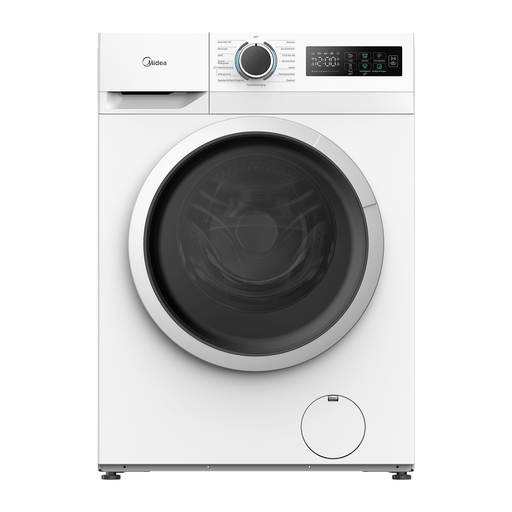
Midea MF110W80BA10/W-NL
The stated 8 kg capacity gives you a point of comparison for a weighed bedding load and everyday laundry.
Capacity: 8 kg. Spin speed: 1400 rpm. The product description lists a Bedding programme and 16 programmes in total.
View at Joybuy
 No image available
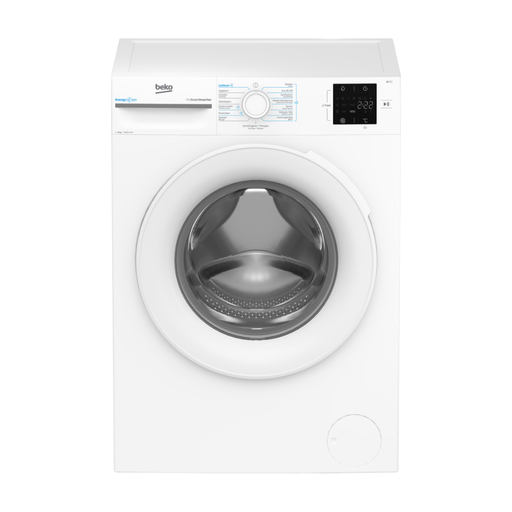
Beko BM3WFU38412CW
With a stated capacity of 8 kg, this model can be compared with your weighed bedding load and everyday laundry.
Capacity: 8 kg. Spin speed: 1400 rpm. Dimensions: 84,5 × 60 × 54,6 cm. The product description lists a 14-minute Daily Xpress programme for lightly soiled laundry.
View at Joybuy
 No image available
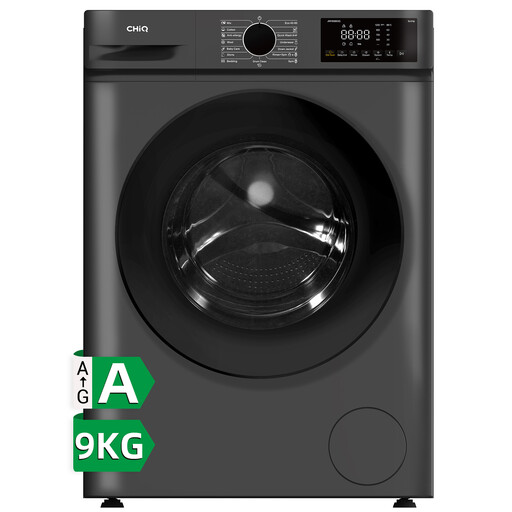
CHiQ JW95883G, 9 kg
The stated 9 kg capacity may be useful if you regularly have larger laundry loads after your move; check that it suits your everyday needs.
Capacity: 9 kg. Drum size: 530 mm. Spin speed: 1400 rpm. The product description gives a depth of 57,7 cm and lists 16 programmes.
View at Joybuy
 No image available
CHiQ JW85883G, 8 kg
The stated 8 kg capacity gives you a point of comparison for your bedding load and everyday laundry.
Capacity: 8 kg. Drum size: 530 mm. Spin speed: 1400 rpm. The product description gives a depth of 52 cm and lists 16 programmes.
View at Joybuy
 No image available
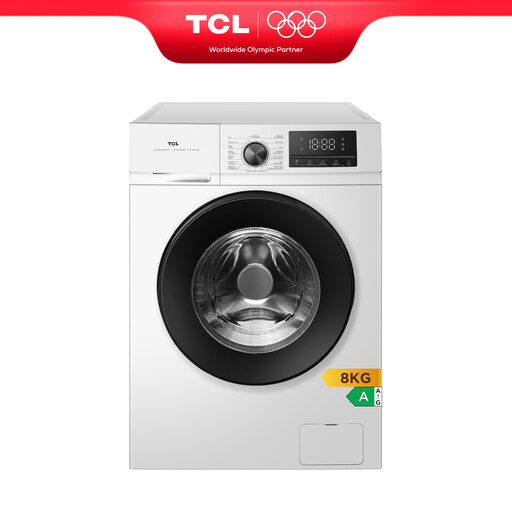
TCL FF2408WA2, 8 kg
The stated 8 kg capacity helps you compare this model with the weighed load you want to wash.
Capacity: 8 kg. Spin speed: 1400 rpm. The product description lists a Quick 15’ programme for lightly soiled everyday laundry.
View at Joybuy
Frequently asked questions
Do you automatically need a 9 kg washing machine for a duvet cover?
No, not automatically. Weigh what you want to wash together and check that the load fits in the drum without being crammed in. Siemens’ advice about 9 kg also refers to a double duvet with its filling, not just a cover.
What should you bear in mind when moving your washing machine?
Follow the manual for your chosen model. Bosch recommends securing the drum with transit bolts during transport and removing them again when you connect the machine.
Who can help in the Netherlands if your washing machine turns out to be faulty?
According to the Dutch Government, the seller must provide a solution if a product doesn’t meet the legal requirements; a manufacturer’s guarantee does not replace your statutory rights. Check delivery, installation and any additional guarantee separately.
Is an energy label compulsory for a washing machine?
Yes. The Dutch Government says that household appliances must have an energy label. Since 1 March 2021, the EU label for household washing machines has used a scale from A to G; use the label information as a standardised comparison, not as a guarantee of consumption for every programme.


