
Family sharing dishcloths
Wants to have clean cloths ready before a visit and is mainly looking for a suitable standard 60 °C programme for washable kitchen textiles. The Netherlands Nutrition Centre recommends washing dishcloths at 60 °C.


For shared dishcloths, choose a machine with a standard 60 °C programme, and only use it if the cloths’ care labels allow washing at that temperature. The Netherlands Nutrition Centre recommends washing dishcloths at 60 °C; the Consumers' Association warns that Eco 40-60 is not the same as a standard 60 °C wash. Choose a drum size that suits your usual washing and check the space available. The energy label relates to the eco programme and does not directly predict the energy use of a 60 °C wash.
Wants to have clean cloths ready before a visit and is mainly looking for a suitable standard 60 °C programme for washable kitchen textiles. The Netherlands Nutrition Centre recommends washing dishcloths at 60 °C.
Regularly washes small amounts of laundry and wants a drum capacity that suits recurring loads, rather than choosing a larger drum for one extra wash. Milieu Centraal advises against buying a washing machine that is too large.
Needs to be able to position and connect the machine properly. Its dimensions, the doorway and the route to the laundry area all help determine which model is practical.
First check whether the exact model has a standard 60 °C programme, then choose the drum size to suit your usual washing. Measure the space too, and only compare consumption figures on the same labelling basis.
| What to consider | What to look for when buying | Who should pay particular attention? |
|---|---|---|
| Standard 60 °C programme | Check the programme on the exact model and the cloths’ care labels. The Consumers' Association makes clear that Eco 40-60 is not a substitute for the intended standard 60 °C wash. | If I want to wash shared dishcloths, I need to know whether both the care labels and the selected programme allow 60 °C. Around 42% of consumers prioritise a suitable programme. |
| Drum capacity | Compare the load capacity with a typical wash; don’t choose a machine solely to fit extra cloths for one visit. Milieu Centraal advises against choosing an unnecessarily large capacity. | I want the drum to suit my usual household washing, not just an occasional extra load. Capacity is the main concern for around 25% of consumers. |
| Positioning and access | Measure the available space, the access route and the clearance needed to open the door or lid. Also check the connection requirements for the exact model. | If I have limited laundry space, I need to know whether the machine can be brought in and whether the door can open properly. Positioning is the top priority for around 17% of consumers. |
| Consumption with regular washing | Compare energy and water figures on the same labelling basis. Separately consider how often you need a standard 60 °C programme; Eco 40-60 label figures are not a measurement of that wash. | I want to take regular consumption into account without treating the eco programme as equivalent to my dishcloth wash. Consumption is the main concern for around 16% of consumers. |
The Consumers' Association warns that Eco 40-60 does not necessarily wash at 60 °C and is not suitable for dishcloths that need a hygienic wash.
Check that the exact model also has a standard 60 °C programme, and follow the cloths’ care labels.
A visit may mean temporarily having more washing to do, but your usual load determines whether the capacity also suits everyday use.
Weigh or assess a normal load before choosing a larger capacity.
A garment-care function or short programme does not prove that the cloths will be washed in line with the 60 °C recommendation.
Compare functions based on what they are designed for, and choose a suitable standard wash programme for your cloths.
The Dutch-market iQ300 front-loading WM14N07CNL is an example of a model with a standard 60 °C setting, as well as a drum capacity suited to household washing.
The Serie 4 front-loading WAN2827TNL is listed with a capacity of 9 kg.
According to AEG, the 7000 ProSteam LR73844 combines an 8 kg drum with garment-care features.
The WW90DG6U25LEU3 is a 9 kg front-loading machine with smart features.
The W1 WSA123 WCS 8 kg Active is a front-loading machine with additional convenience features.
These Joybuy models are washing machines to compare for your household laundry. For each exact model, check whether it has a standard 60 °C programme and whether your cloths’ care labels allow washing at that temperature.
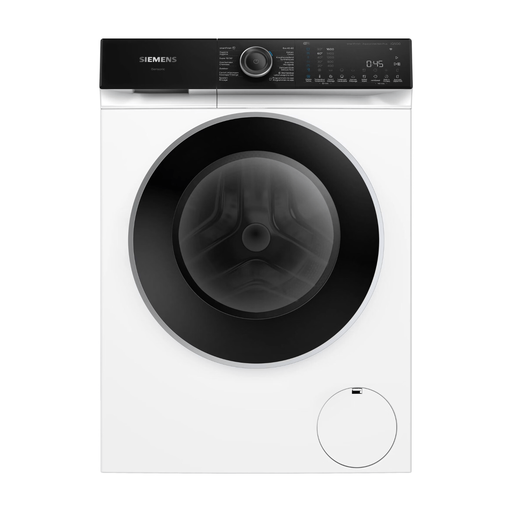 No image available
The listed capacity may be useful if you also want to use the machine for larger household loads. Check separately whether this model meets the standard 60 °C requirement.
Listed features: 10 kg, 1600 rpm, energy class A and NL/FR control panel.
Before buying, check whether this exact model has a standard 60 °C programme.
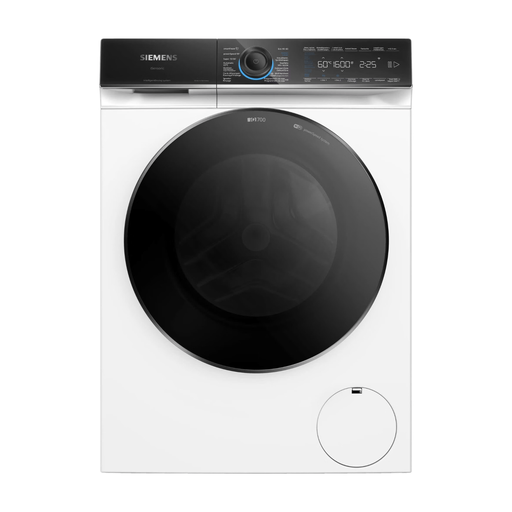 No image available
The listed capacity may be useful if you also want to use the machine for larger household loads. Check separately whether this model meets the standard 60 °C requirement.
Listed features: 10 kg, 1600 rpm, energy class A and NL/FR control panel.
Before buying, check whether this exact model has a standard 60 °C programme.
 No image available
The listed capacity may suit households that want to wash their usual laundry together with the cloths; it does not confirm whether the model is suitable for washing the cloths.
Listed features: 8 kg, 1400 rpm and 16 wash programmes.
Before buying, check whether this exact model has a standard 60 °C programme.
 No image available
The listed capacity may be relevant if you are looking for a machine for household laundry as well as the cloths. Check separately whether this model meets the standard 60 °C requirement.
Listed features: 8 kg, 1351 rpm and energy class A.
Before buying, check whether this exact model has a standard 60 °C programme.
 No image available
The listed capacity may suit households that also want to use the machine for everyday family washing. Check separately whether the cloths can be washed using a standard 60 °C programme.
Listed features: 8 kg, 1400 rpm and energy class A. The programme description includes Cotton, Eco 40-60 and Hygiene+.
Check whether this exact model also has a standard 60 °C programme; the listed Eco 40-60 programme name does not confirm this.
For cloths whose care labels allow washing at 60 °C, choose a standard 60 °C programme. The Consumers' Association warns that, despite its name, Eco 40-60 is not the same as a standard 60 °C wash and is not suitable for dishcloths that need a hygienic wash.
Change dishcloths daily and hang wet cloths up to dry. The Netherlands Nutrition Centre recommends washing used dishcloths at 60 °C.
Measure the space, the route to it and the clearance needed to open the door or lid. Also check the connection requirements for the exact model.
The energy label provides energy and water information on the specified basis; EU requirements for washing machine consumption are based on Eco 40-60. So don’t interpret these figures as a measurement of the standard 60 °C programme.
The Consumers' Association recommends using the right amount of detergent, allowing the drum and detergent drawer to dry, and checking the filter regularly. Follow your own machine’s manual for maintenance.