
Commuters with wet everyday laundry
Want to wash underwear and other suitable clothes after a rainy journey, using a programme that matches the level of soiling and the care label.


Choose a washing machine with a cotton programme and a drum size that suits your usual household washing, not just that one wet item. A short programme can be useful for a small, lightly soiled load, but the programme name or a steam function doesn’t prove that the laundry will be treated appropriately for every hygiene need. Follow the care label and, if you have a specific hygiene requirement, choose a suitable standard cotton or hygiene programme.
Want to wash underwear and other suitable clothes after a rainy journey, using a programme that matches the level of soiling and the care label.
Want to know when a short programme is suitable for a small amount of laundry, without assuming that a faster wash is automatically hygienic.
Want a drum that suits their usual household washing and a fair basis for comparing models. Milieu Centraal recommends choosing a drum capacity that suits your household.
Check the care label and the treatment you need, then choose programmes and a drum size that suit the loads you usually wash.
| What to consider | What to look for when buying | Who is this important for? |
|---|---|---|
| Cleaning results and appropriate hygiene | Check the cotton or hygiene programme, temperature settings and care label requirements. The Consumentenbond warns that Eco 40-60 does not automatically mean a 60°C wash. | If I want to wash underwear after a wet journey, I want the treatment to match the care label and level of soiling. Around 36% of consumers put cleaning results and appropriate hygiene first. |
| Washing a small load quickly | Check the load size and fabric types allowed for the short programme on the exact model. | I want to wash a small, lightly soiled load quickly, but I also want to know whether the programme is designed for it. Around 29% of consumers prioritise speed for small loads. |
| Capacity and energy use | Choose a drum capacity that suits your usual loads. Compare energy use per 100 eco cycles and water use per eco cycle on the same label basis; the European Commission lists these figures for comparing washing machines. | I want a drum that suits my usual laundry and to compare energy-use figures on a like-for-like basis. Around 21% of consumers prioritise a suitable size and energy use. |
| Installation and aftercare | Measure the space and access route, check the dimensions of the exact model and ask in advance what installation and removal of the old appliance include. | If space or access is limited, I want to know in advance whether the machine can be installed and which services I’ll need. Around 14% of consumers put installation and aftercare first. |
The Consumentenbond reports that the measured temperature can vary from one machine to another. So the programme name doesn’t guarantee that the wash reaches 60°C.
If you have a specific hygiene requirement, choose a suitable standard cotton or hygiene programme, provided the fabric care label allows it.
A short programme or refresh function alone doesn’t tell you whether the treatment is suitable for the fabric, level of soiling and hygiene requirements.
Check the manual for the exact model to see which loads and purposes the programme is intended for.
A larger drum isn’t automatically more economical if you often wash small loads. Milieu Centraal recommends choosing a capacity that suits your household.
Compare the drum capacity with your usual loads and check energy-label figures on the same eco basis.
Having a suitable space and connection isn’t the same as having your old appliance taken away. The Dutch government explains the old-for-new scheme for household appliances.
Ask in advance what installation involves and how the handover of your old appliance will be arranged.
Installation may be a separate service. Discuss it in advance so you know which work is included.
Bosch Netherlands describes the WAN2827FNL as a 9 kg front-loading washing machine with temperature selection, SuperKort 15/30 and Hygiëne Plus.
AEG describes the LR73844 as an 8 kg front-loading washing machine from the 7000 ProSteam range.
Miele describes the WSE383 WCS as an 8 kg W1 front-loading washing machine with QuickPowerWash and SteamCare.
The Dutch Siemens product page lists the WG44J2A5NL as a 9 kg iQ500 front-loading washing machine.
The Dutch TCL range includes front-loading washing machines from the F3 series, with a Quick 15' function.
This selection includes front-loading washing machines with cotton programmes and options for short washes. Check the programme settings and permitted load for each model against the care label and the treatment you need.
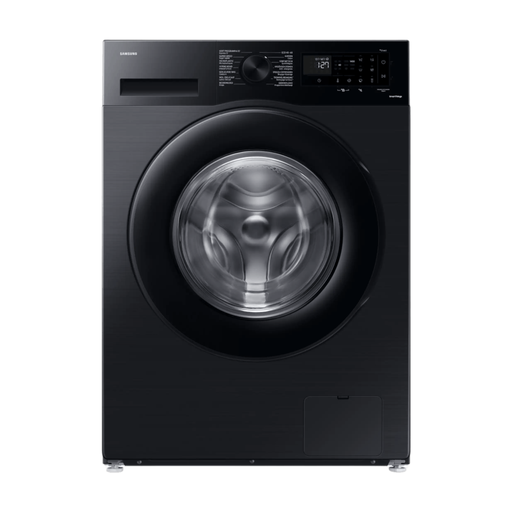 Image unavailable
Ideal if you’re looking for a front-loading washing machine with cotton and short-wash programmes; check the permitted load for each programme.
11 kg; 1400 rpm; Cotton, Quick Wash 15 min and Hygienic Steam are listed. Also listed: AI Ecobubble™, Wi-Fi (SmartThings) and energy rating A. The steam feature doesn’t prove that steam can replace a suitable full wash for a specific hygiene requirement.
 Image unavailable
A front-loading washing machine with cotton and short-wash programmes; check the manual for the permitted load on the short cycle.
9 kg; 1400 rpm; Cotton and Quick 15 min are listed. Also listed: Hygienic Steam, AI Ecobubble™, SuperSpeed, Wi-Fi (SmartThings) and energy rating A. A steam function alone doesn’t show that a programme is suitable for every hygiene requirement.
 Image unavailable
The listed Mini Load and Extra Quick programmes make this model worth considering if you also wash small loads.
9 kg; 1400 rpm; energy rating A; Mini Load and Extra Quick 15'/30' are listed. The product information also mentions a variable temperature setting.
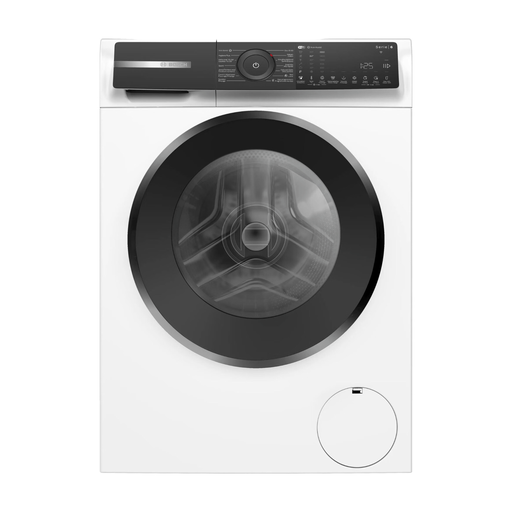 Image unavailable
The product information lists a programme for small loads; check the conditions for the wash you want to do.
10 kg; 1600 rpm; energy rating A; Mini Load and Extra Quick 15'/30' are listed. A variable temperature setting is also mentioned.
 Image unavailable
The listed Cotton and Quick Wash programmes are worth comparing if you’re looking for a cotton programme and a short cycle.
8 kg; 1400 rpm; 16 programmes; energy rating A-10%. Cotton, 15-minute Quick Wash and Allergy Care are listed.
No. A wet journey alone doesn’t make a 60°C wash necessary. Follow the care label and consider the level of soiling. If you have a specific hygiene requirement, the Consumentenbond says Eco 40-60 isn’t a substitute for a suitable standard cotton or hygiene programme.
No. According to the Consumentenbond, the measured temperature varies from one machine to another. So the programme name doesn’t guarantee that the wash reaches 60°C.
A short programme may suit a small, lightly soiled load if the exact model allows that load size and fabric type. Check the manual; a short cycle doesn’t prove that the programme meets a specific hygiene requirement.
Measure the available space and access route, and make sure the floor is stable. Ask in advance what delivery and installation include and how removal of the old appliance is arranged; installation may be a separate service.
The Consumentenbond recommends running a standard 60°C programme once or twice a month to maintain the machine. Also follow the detergent dosing instructions and leave the door and detergent drawer open to dry after use.
If a product is faulty, the retailer is your point of contact for your statutory guarantee rights. The Dutch government states that the Netherlands has no fixed statutory two-year guarantee period. When a private customer buys a new, similar appliance, the Dutch government’s old-for-new scheme requires the retailer to take back the old appliance free of charge.
Compare figures such as energy use per 100 cycles and water use per cycle, using the basis specified on the label. The European Commission lists these as comparison figures for washing machines; they don’t automatically show the energy use of every other programme.