What should you look for when choosing?
If you’re looking for a machine for your weekly wash of cotton towels, the key considerations are a suitable load capacity, the right programme, how well it spins the load and energy and water consumption.
| What to consider |
What should you check? |
Who is this important to? |
| Suitable drum capacity |
Weigh a typical load and compare it with the machine’s capacity for cotton. Also check the available space and the machine’s dimensions. |
I want to wash my usual weekly load in a suitable number of cycles without typically using an oversized drum. Around 36% of consumers put suitable drum capacity first. |
| Wash programme and temperature |
Check whether the care label allows Eco 40-60 and whether there’s a standard cotton programme with a choice of temperatures. The Eco 40-60 programme name doesn’t guarantee a temperature of 60°C. |
If I want to wash economically in normal circumstances but still have the option of a hot wash when appropriate, I’ll look for both options. Around 29% of consumers prioritise how suitable the programme is. |
| Spinning and drying |
Check the available spin settings and noise information; the achievable spin speed may vary by programme. A standard washing machine doesn’t dry your towels. |
I want to know how the laundry will come out of the machine before I hang it up or put it in the tumble dryer. For around 21% of consumers, how well the machine spins the load is the top priority. |
| Consumption and features |
Compare energy use, water use and programme duration on a like-for-like basis. The European Commission describes the EU energy label scale for washing machines as A–G. |
I want to weigh up consumption against features I’ll actually use. Around 14% of consumers put running consumption first. |
Washing machines at Joybuy
This selection includes washing machines with different drum capacities and maximum spin speeds, so you can compare them with your weighed weekly load and drying method.
 No image available
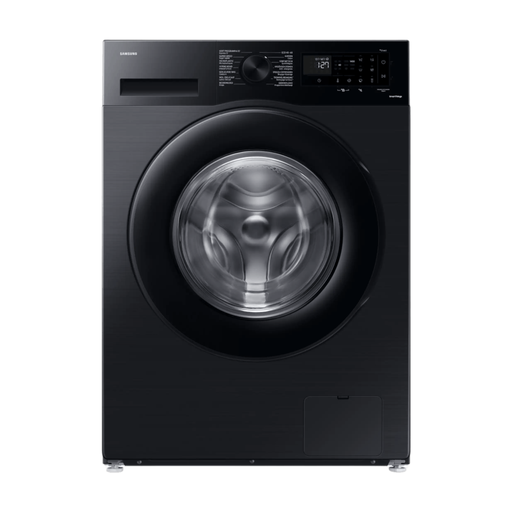
Samsung WW1UDG5B25ABEN, 11 kg
Compare this model with your weighed weekly load if you regularly want to wash a larger load in one cycle.
Stated capacity: 11 kg; maximum 1400 rpm; cotton and Eco 40-60 programmes; Hygienic Steam; Wi-Fi (SmartThings); energy class A.
View at Joybuy
 No image available
Samsung WW90DG6U25LE, 9 kg
Compare the stated capacity with your usual load and check the permitted load for the programme you choose.
Stated capacity: 9 kg; maximum 1400 rpm; cotton and Eco 40-60 programmes; Hygienic Steam; SuperSpeed for 5 kg in 39 minutes; energy class A.
View at Joybuy
 No image available
Bosch WGB2440BFG Serie 8, 9 kg
Compare the stated capacity with your weighed weekly load, and check that the temperature setting suits the care label on your towels.
Stated capacity: 9 kg; maximum 1400 rpm; variable temperature; Mini Load programme; energy class A; NL/FR control panel.
View at Joybuy
 No image available
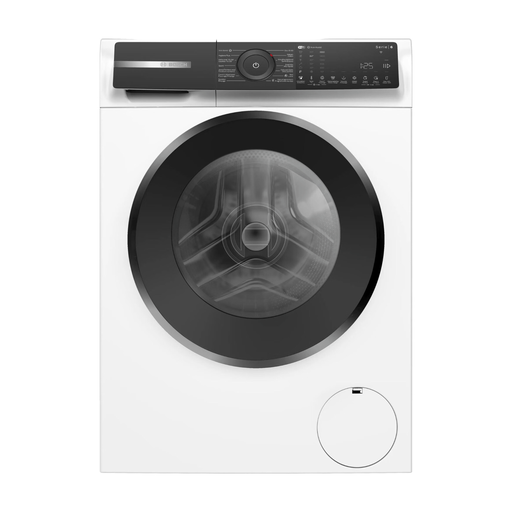
Bosch WGH25605FG Serie 6, 10 kg
Compare the capacity with the load you usually wash; a Mini Load programme is also listed for smaller loads.
Stated capacity: 10 kg; maximum 1600 rpm; variable temperature; Mini Load programme; energy class A; NL/FR control panel.
View at Joybuy
 No image available
Midea MF110W80BA10/W-NL, 8 kg
Compare the stated capacity with your weighed weekly load and check the settings for the cotton programme you want to use.
Stated capacity: 8 kg; maximum 1400 rpm; cotton and Eco 40-60 programmes; variable temperature; 42 kWh per 100 cycles and 47 litres per cycle.
View at Joybuy
Frequently asked questions
Do damp cotton towels always need to be washed at 60°C?
No, a 60°C wash isn’t always necessary. Milieu Centraal says that towels usually don’t need to be washed at 60°C. Follow the care label and choose a hot programme only when necessary and if the fabric can withstand that temperature. Eco 40-60 doesn’t guarantee a 60°C wash.
What should you check when installing a washing machine?
Measure the available space and check the route for the water supply and drainage before choosing a model. Bosch recommends a stable surface and an earthed socket when installing its machines. Remove the transit bolts before use and follow the manual for the model you’ve bought.
How can you stop your washing machine smelling musty after a load of towels?
Remove the laundry from the drum when the cycle ends, and leave the door and detergent drawer open to dry. Consumentenbond also recommends using the right amount of detergent and checking the seal and filter regularly.
Does a two-year manufacturer’s warranty mean you have no rights afterwards?
No. According to the Dutch government, there is no fixed statutory warranty period in the Netherlands. What you can expect from a product depends on factors including the product itself and normal use. If a product is faulty, contact the retailer. If you’re considering an extended warranty, check what additional cover it provides on top of your statutory protection.
Can you have your old washing machine taken away when you buy a new one?
When you buy a similar new appliance, the retailer must take back the old one free of charge, according to the Dutch government. Under the stated conditions, this also applies to online purchases.


