First, choose a washing machine that can fit your usual load of cotton tablecloths without packing them in, then check that its programmes match the care labels. When your weekend is short on time, the permitted load and programme duration matter: a quick programme or higher spin speed alone won’t guarantee a clean, crease-free tablecloth. In the test cited, the Consumentenbond found that Eco 40-60 washed slightly less effectively on average than a 40 °C cotton programme.
Who is this choice relevant to?
If you wash large tablecloths
You want to be able to wash one or more large cotton tablecloths without cramming them in. Weigh your usual load and check the drum, door opening and available space as well as the load capacity. The Consumentenbond and Milieu Centraal stress that capacity should suit your laundry load and household.
If you’re short on time at the weekend
You do your washing before the working week and need to allow time for both the programme and drying. Compare a suitable short programme and its spin results, bearing in mind that a higher spin speed can increase the risk of creasing. The Consumentenbond discusses this relationship when comparing washing machines.
If you wash stained tablecloths
You want to choose a programme that suits the care label and level of soiling, without assuming that a quick or energy-saving cycle will give the same results as a standard cotton programme. The European Commission describes Eco 40-60 as being for normally soiled cotton that can be washed at 40 °C or 60 °C according to its care label; the Consumentenbond compares its washing results with those of a 40 °C cotton programme.
What should you look for when choosing?
Capacity, washing performance, time, energy use and installation can all play a part. Decide which of these matters most for your tablecloths and weekend schedule.
| What to consider |
What should you check? |
Who should give this more weight? |
| Capacity and space |
Weigh your usual cotton load and check the drum, door opening and dimensions. The stated load capacity applies to cotton washing. |
I want to load my large tablecloths without cramming them in, so I also measure the door opening and installation space. Around 28% of consumers prioritise suitable capacity and space. |
| Stains and wash programmes |
Read the care label and choose the temperature and cotton programme to suit the level of soiling. Eco 40-60 is intended for normally soiled cotton that can be washed at 40 °C or 60 °C according to its care label. |
If I want to tackle stains without treating the cotton incorrectly, I start with the care label and level of soiling. Around 22% of consumers give effective cleaning the highest priority. |
| Time before the working week |
Compare programme duration for the permitted load and the spin results. A higher spin speed can increase the risk of creasing. |
I want to finish the washing on time and leave enough time to dry the tablecloths, so I look beyond a short cycle alone. Around 22% of consumers prioritise their weekend schedule. |
| Ongoing energy use |
Compare the EU energy rating and energy use per 100 Eco 40-60 cycles; this is not a measurement of energy use for every other programme. |
If I wash frequently, I want to take energy use into account without choosing a larger drum than my usual load requires. Around 17% of consumers prioritise ongoing energy use. The European Commission describes the EU energy label scale from A to G. |
| Noise and installation |
Compare the stated spin noise level, measure the available space and follow the installation instructions to level the machine. |
If the washing machine is close to where I live or work, I want to know in advance whether it will fit and how noisy it is when spinning. Around 11% of consumers give noise and suitable installation the highest priority. |
Pitfalls to avoid
-
Automatically choosing the largest drum
The stated load capacity doesn’t tell you whether a large tablecloth will fit through the door opening easily. A machine that often runs half-full isn’t automatically the best choice for your usual load either.
Weigh the cotton laundry you normally wash together and check the drum, door opening and installation dimensions before opting for extra capacity. The Consumentenbond and Milieu Centraal recommend matching capacity to your usual laundry load.
-
Assuming Eco 40-60 is a standard 60 °C wash
The name doesn’t guarantee that the machine actually reaches 40 °C or 60 °C during the programme. Suitability depends on the care label and level of soiling; in the test cited, the Consumentenbond also reported a difference in washing results compared with a 40 °C cotton programme.
Check the care label on each tablecloth and choose a programme to suit the permitted temperature, level of soiling and time available.
-
Assuming a quick programme is suitable for a full load of tablecloths
A manufacturer’s stated short cycle doesn’t, by itself, tell you how it will perform with a full load of cotton tablecloths or on stains.
Check the manual for the exact model to find the permitted load, programme duration and suitable level of soiling.
-
Looking only at the manufacturer’s warranty if something goes wrong
In the Netherlands, there is no fixed statutory warranty period of exactly two years, according to the Government of the Netherlands. If a product is faulty, the retailer is your point of contact.
Compare any additional warranty terms with your statutory rights; an extended warranty doesn’t replace them.
Brands to consider
Bosch
Bosch lists the WGE03408NL as an 8 kg front-loader and the WGG244FSNL as a 9 kg front-loader. The product specifications give both models a maximum spin speed of 1400 rpm.
- Bosch lists Speed Perfect as a feature of the WGE03408NL.
- A claimed time saving isn’t an independently verified result for a full load of tablecloths; check the features and conditions for each model.
Samsung
The Samsung WW90DG6U25LEU3 is a 9 kg model with SuperSpeed and AI Ecobubble. Samsung describes features designed to shorten wash cycles and wash at lower temperatures.
- These features offer specific programme details to compare when you’re short on time.
- The manufacturer’s claims aren’t independent evidence of washing performance on cotton tablecloths. Check the permitted load and the full model code.
AEG
The AEG 8000 PowerCare LR85964 is a 9 kg front-loader. AEG says that detergent is premixed and activated for this model.
- The model offers specific programmes and features to compare with other 9 kg machines.
- The manufacturer’s description isn’t independent evidence that specific stains will be removed more effectively from tablecloths.
Miele
According to Miele, the Miele WWD380 WCS PWash&Steam&9kg is a 9 kg front-loader with QuickPowerWash and SteamCare.
- Miele says QuickPowerWash delivers results in 49 minutes and describes SteamCare as potentially reducing ironing time.
- These are manufacturer claims subject to programme conditions; they don’t guarantee results for a full load of cotton tablecloths or crease-free laundry.
Washing machines for a tight schedule
These Joybuy washing machines offer capacities and quick-programme features to consider if you do your washing before the working week. Check which load and programme suit your tablecloths for each model.
 No image available
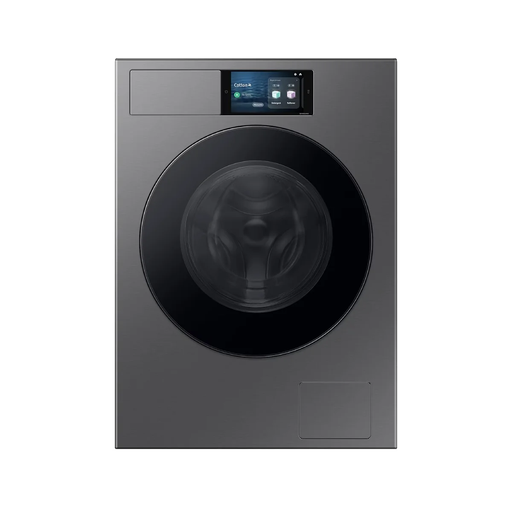
Samsung WF90F09C4SU3, washing machine, 9 kg, 1400 rpm
The product information lists a 15-minute quick wash programme and a 39-minute Super Speed programme for a 5 kg load.
Check that the permitted load and programme conditions suit your tablecloths.
View at Joybuy
 No image available
Samsung WW90DG6U25LE, washing machine, 9 kg, 1400 rpm
The product information lists SuperSpeed and a 39-minute cycle for a 5 kg load.
This programme duration applies to the stated load; check that it suits your laundry.
View at Joybuy
 No image available
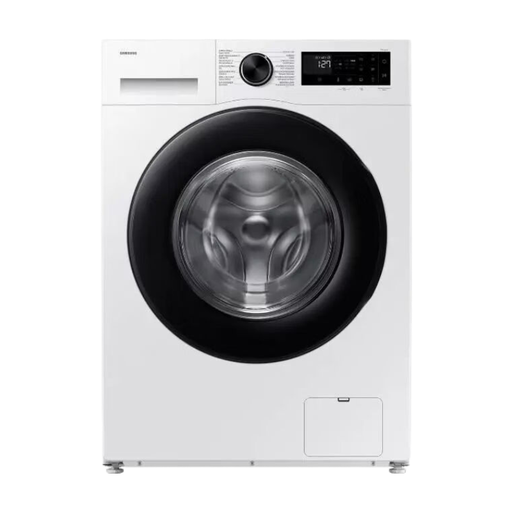
Samsung WW1UFG5U34AEEN, freestanding washing machine, 10.5 kg, 1400 rpm
The product information lists a 15-minute Quick Wash programme and cotton and Eco 40-60 programmes.
The stated capacity is 10.5 kg; check the permitted load for the programme you choose.
View at Joybuy
 No image available
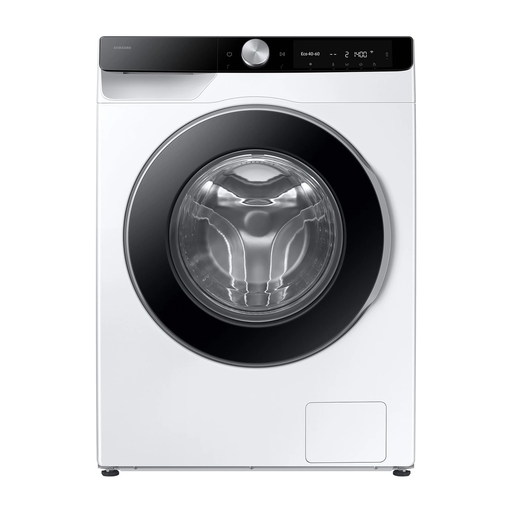
Samsung WW90DG6U25LK, washing machine, 9 kg, 1400 rpm
The product name lists SuperSpeed and the product information mentions cotton programmes.
Check the model information to see which load is suitable for the programme you want to use.
View at Joybuy
 No image available
Comfee' CFP01EW70W-JD, freestanding washing machine, 7 kg, 400 mm
The product name lists a 7 kg capacity, a 400 mm design and a one-touch quick wash function.
Compare the capacity with your usual load and measure the available installation space.
View at Joybuy
Frequently asked questions
How do you work out what drum size you need for tablecloths?
Weigh the tablecloths and any other cotton items you usually wash with them, and check the drum space, door opening and dimensions too. The stated load capacity applies to cotton washing; the permitted load may differ for other programmes.
Can every cotton tablecloth go in an Eco 40-60 wash?
No, follow the care label for the individual tablecloth. The European Commission describes Eco 40-60 as being for normally soiled cotton that can be washed at 40 °C or 60 °C according to its care label; the programme name doesn’t mean that the machine actually reaches that temperature during the cycle.
What should you check if the machine will be near a workspace?
Measure the available width, height and depth, including the space needed for installation. Follow the installation instructions and level the machine using its adjustable feet to reduce unnecessary vibration and noise, as the Consumentenbond advises.
What maintenance is useful if you often wash at low temperatures?
The Consumentenbond recommends maintaining the machine at least once a month using a programme at 60 °C or above. Also follow the manual for your chosen model for filter and drum maintenance.
What information does the European energy label provide?
The EU energy label for household washing machines uses a scale from A to G and includes information such as energy use per 100 Eco 40-60 cycles. Don’t use this figure as a measurement of energy use for every other cotton or quick wash programme.


