
Anyone washing full loads of bedding
You want to wash fitted sheets, duvet covers and pillowcases without cramming the drum. Match the capacity to your usual dry load; the Consumers’ Association stresses that the stated capacity applies to cotton.


Choose the drum capacity based on your usual sorted load of dry cotton laundry, not just the sheets after a weekend away. Then compare the cotton programme, the consumption figures on the EU energy label and the space available. A 60°C wash is mainly relevant if you have a specific reason for choosing it and the care label allows it.
You want to wash fitted sheets, duvet covers and pillowcases without cramming the drum. Match the capacity to your usual dry load; the Consumers’ Association stresses that the stated capacity applies to cotton.
You want to run suitably sized, well-filled loads throughout the week, not just at the weekend. Compare the EU energy label with the consumption figures for the programme you use. The European Commission explains that the labels show, among other things, energy use per 100 cycles and water use per cycle.
If you want the option of washing suitable bedding at 60°C, check both the care label and the specific programme. The Consumers’ Association identifies 60°C as a relevant temperature for dust mites and their eggs.
Start with the dry load you usually wash, then check the programmes, consumption and installation requirements. This will help you choose a machine that suits both your bedding and everyday laundry.
| What to consider | What should you check? | Who is this important for? |
|---|---|---|
| Space for sheets | Compare the cotton capacity with your usual dry load; also consider the drum space and door opening. | I want to wash sheets and pillowcases without cramming the drum. Around 36% of consumers say having enough drum space is their main concern when buying. |
| Consumption when washing regularly | Compare kWh per 100 Eco 40–60 cycles and litres per eco cycle; also consider whether you can usually fill the drum to a suitable level. | If I use the machine regularly, I want to weigh the consumption figures on the label against my usual loads. Around 29% of consumers prioritise consumption and running costs. |
| Temperature and programme | Check whether the cotton programme you want offers 60°C and whether the care label allows that temperature. | If I have a specific hygiene need, I want to know whether I can wash suitable bedding at the temperature I need. Around 21% of consumers say this type of treatment is their top priority. |
| Space and water protection | Measure the installation space and access route; check what type of water protection the exact model has. | I need to be able to connect the machine in a suitable place and want to consider the potential impact of a leak in my home. Around 14% of consumers prioritise installation and limiting water damage. |
The stated capacity applies to cotton. A larger drum does not automatically make a small load more efficient or cleaner.
Weigh a typical sorted load, and also check that the drum and door opening are practical for sheets and duvet covers.
A steam or anti-allergy programme does not, by itself, mean your bedding will be washed at 60°C.
If you have a specific need, check the maximum temperature allowed by the care label and the settings for the particular programme.
The machine’s external dimensions and the access route help determine whether it will fit in the intended space. Water protection varies by model and can affect the potential consequences of a leak.
Measure the access route and installation space in advance, check the connections available and find out what water protection the exact model has.
The Beko BM3WFU38412CW is an example of a freestanding front-loading machine with an 8 kg capacity and a cotton programme.
The 6000 ProSense LF628600 is a front-loading machine with an 8 kg capacity. It’s worth comparing if you’re also considering load adjustment and programme options.
The Bosch WAN2809XNL, with an 8 kg capacity, and the WGG244FONL, with a 9 kg capacity, give you two options to compare with your usual laundry load.
This selection features freestanding washing machines with a capacity of around 8 kg, suitable for cotton sheets and everyday laundry.
 No image available
The stated 8 kg capacity suits a typical cotton load within that weight limit.
The product information lists 1400 rpm, a Bedding programme, Eco 40–60 and 42 kWh per 100 cycles.
 No image available
With an 8 kg capacity, this model is worth comparing with the amount of cotton laundry you usually wash.
The product information lists energy class A, 1351 rpm, 16 programmes and 33 kWh per 100 Eco 40–60 cycles. A steam function is also mentioned.
 No image available
With an 8 kg capacity and a cotton programme, this model is worth comparing with your usual bedding load.
The product information lists 1400 rpm, energy class A, Eco 40–60 and 47 kWh per 100 cycles.
 No image available
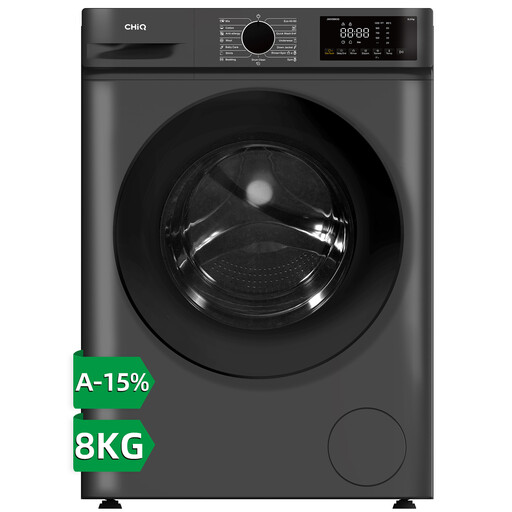
The stated 8 kg capacity can be weighed against the size of your usual sorted cotton load.
The product information lists a 530 mm drum, 16 programmes and 1400 rpm. A steam function and Smart Wash are also mentioned.
 No image available
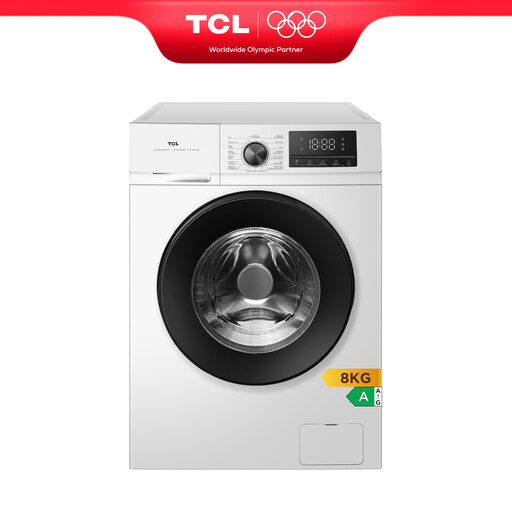
The 8 kg capacity and listed Cotton programme give you useful points of comparison for your bedding and everyday laundry.
The product information lists Cotton and Eco 40–60 programmes, energy class A and a BLDC motor.
No. Sheets that are normally soiled don’t automatically need a 60°C wash. This temperature may be relevant if you have a dust mite allergy; check the care label before choosing a programme. The Consumers’ Association identifies 60°C as a relevant temperature for dust mites and their eggs.
First, check that the machine will fit through the access route and in the space available. Make sure it’s on a firm, level surface, and check the water supply, drain and an earthed socket. Remove the transit bolts and level the machine according to the instructions. The Consumers’ Association recommends using a stable surface.
No. A two-year manufacturer’s warranty does not automatically determine when your statutory rights end. According to the Dutch government, there is no fixed statutory warranty period in the Netherlands; what you can reasonably expect from a product also matters. If a product is faulty, contact the retailer. A manufacturer’s warranty is an additional protection.
Yes. When you buy a new, similar appliance, the retailer must take back your old appliance free of charge under the take-back scheme. This also applies to online purchases. The Dutch government explains how to arrange collection if the delivery driver can’t take the old appliance away at the same time.