Choose the drum capacity based on a typical, weighed load of sheets, and check the drum space, door opening and dimensions of the installation area too. A larger machine isn’t automatically better value if you often run small loads: compare the energy label for Eco 40-60 separately from the programme you actually use, and consider spin noise and water protection if the machine is close to bedrooms.
Who is this choice relevant to?
Housemates who wash sheets together
If you wash several cotton sheets in one load, it helps to choose a drum capacity that suits your typical load. The Dutch Consumers’ Association stresses that stated capacity applies to cotton; Milieu Centraal recommends choosing a drum to suit your household.
Housemates who share the costs
If the washing machine runs regularly and you split the bill, energy and water consumption, as well as programme duration, are useful points of comparison. According to the Dutch Consumers’ Association and the European Commission, the consumption figures on the label are based on Eco 40-60.
Housemates with a machine near the bedrooms
If you sleep close to the washing machine, you may want to take spin noise and vibration into account. The machine’s location matters too: check what water-protection features it has and how much space there is for the hoses and door.
What should you look for when buying?
Start with the load you usually wash together and the space available for the machine. Then compare consumption and noise figures using the same programme and measurement basis.
| Concern |
What should you look for? |
Who is this most relevant to? |
| Will the load fit? |
Weigh a typical, sorted load. Check the stated capacity for cotton, the available drum space and the door opening. |
If I wash sheets together, I want our usual load to fit in the drum without having to run the machine half full too often. Around 33% of consumers put suitable drum capacity at the top of their list. |
| Running costs |
Compare kWh per 100 Eco 40-60 cycles and water consumption per cycle on the same basis. The Dutch Consumers’ Association notes that the label figures apply to Eco 40-60. |
When we share bills, I want to compare energy and water use for regular washing. Around 27% of consumers make running costs their top priority. |
| Noise and water protection |
Check the labelled spin noise in dB(A), the water-protection features and the space needed for the door and hoses. |
If the machine is near a bedroom or somewhere a leak could affect others, I want to take noise and protection into account. Around 20% of consumers prioritise these installation concerns. |
| Wash temperature and programme |
Check the care label and whether there is a standard cotton programme at 60°C or a suitable hygiene programme. The Eco 40-60 label figures don’t automatically apply to these programmes. |
I want to know which programme is suitable for everyday sheets and which to use when a hotter wash is needed. Around 20% of consumers prioritise programme suitability. |
Common pitfalls
-
Choosing a 9kg drum just because you have a lot of housemates
The right capacity depends on the loads you actually wash. A larger drum isn’t automatically better value if you often run it half full.
First, weigh a typical, sorted load and check the drum space and door opening too.
-
Using the Eco 40-60 label as an indication of consumption for a standard 60°C wash
The energy and water figures on the energy label are for Eco 40-60. They don’t necessarily tell you how much another programme will use.
Compare labels on the same basis, and look for separate programme information if you usually use a different programme.
-
Looking only at a low dB figure or the words ‘water-stop’
Perceived noise also depends on where the machine is installed, while water-protection features don’t all work in the same way.
Check the labelled spin noise, exactly what protection features are included, and whether the machine can stand firmly and level.
-
Confusing an extended warranty package with your statutory rights
A paid package is separate from your statutory rights when you buy as a consumer. The Dutch Government identifies the retailer as your point of contact if there’s a problem with a product.
Check exactly what additional cover the package provides, and contact the retailer if a fault develops.
Brands to consider
Bosch
According to Bosch, the Bosch WGG244FPNL is a Dutch-market Serie 6 front-loader with a 9 kg capacity and a maximum spin speed of 1400 rpm.
- The stated capacity and maximum spin speed give you specific features to compare for a shared load of sheets.
- These specifications alone don’t tell you about noise, consumption on your chosen programme or washing results.
Samsung
According to Samsung, the Samsung WW90DG6U85LEU3 is a 9kg front-loader from the AI Wash 6000 series with an A energy rating.
- Capacity and energy rating are useful details to include in your comparison.
- Samsung’s claim about additional energy savings is a manufacturer claim with its own conditions; it isn’t an independent comparison with a cotton programme at 60°C.
AEG
According to AEG, the AEG LF694ABC is a 9kg model with ProSense load adjustment.
- AEG describes the feature as adjusting the wash time, energy and water consumption to the size of the load.
- The feature doesn’t prove that a larger machine which is often half full is as efficient as one that’s loaded appropriately. Claims about steam and allergens aren’t independently verified washing results.
Miele
According to Miele, the Miele WSD383 WCS PWash&Steam&9kg has a capacity of 9 kg, a maximum speed of 1400 rpm, a steam function and Miele@home.
- These features may be useful if your housemates will actually use them.
- Manufacturer claims about speed, ironing time and lifespan aren’t independent evidence of better results for cotton sheets. Consider whether the extra features are worth the purchase price for the way you’ll use the machine.
Washing machines at Joybuy
These models may suit households that wash cotton sheets and want to compare capacity, programmes or usage figures. Check the details for your chosen model and make sure it suits your load and installation space.
 No image available
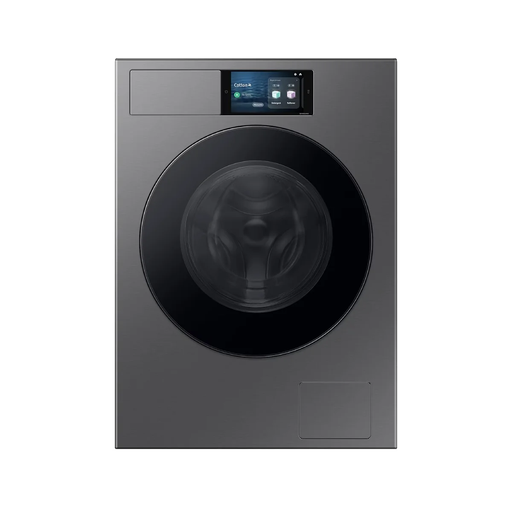
Samsung WF90F09C4SU3, 9 kg
A 9kg front-loader to consider if you usually wash your cotton sheets together.
The product information lists 1400 rpm, 72 dB during the spin cycle and an A energy rating.
It also lists 22 kWh per 100 cycles and SmartThings connectivity.
View at Joybuy
 No image available
Samsung WW90DG6U25LE, 9 kg
Its capacity makes this model worth comparing for shared loads of sheets.
The product information lists Cotton and Eco 40-60 programmes, 44 kWh per 100 cycles, 50 litres per cycle and 72 dB during the spin cycle.
View at Joybuy
 No image available
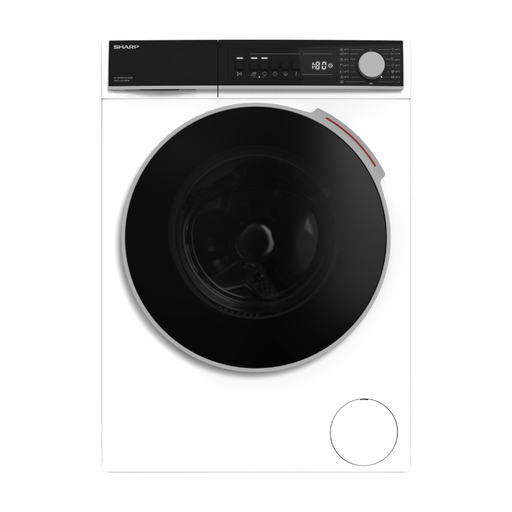
SHARP ESNFB914CWDACB, 9 kg
A 9kg front-loader to consider if you wash mixed loads of sheets.
The product information lists 1400 rpm, Cotton and Eco 40-60 programmes, 39 kWh per 100 cycles and 36 litres per cycle.
The stated spin noise is 75 dB; AquaStop is also listed.
View at Joybuy
 No image available
Midea MF110W80BA10/W-NL, 8 kg
The product information lists a Bedding programme and an 8 kg capacity, making it an option if you want to wash sheets using a programme designed for bedding.
It also lists Eco 40-60, 42 kWh per 100 cycles, 72 dB during the spin cycle and AquaStop.
View at Joybuy
 No image available
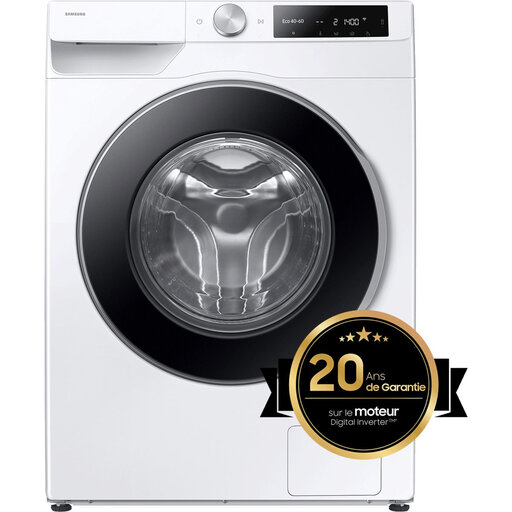
Samsung WW90DG6U85LEU3, 9 kg
This 9kg machine is worth comparing if you wash sheets together and want to take usage figures into account.
The product information lists 1400 rpm, 72 dB during the spin cycle, 44 kWh per 100 cycles and 50 litres of water per cycle.
SmartThings is also listed.
View at Joybuy
Frequently asked questions
Does Eco 40-60 mean my sheets are washed at 60°C?
No, the programme name doesn’t guarantee an actual wash at 60°C. Eco 40-60 is designed for normally soiled cotton that can be washed at 40°C or 60°C according to its care label. If a hotter wash is needed and the care label allows it, the Dutch Consumers’ Association recommends using a standard cotton programme at 60°C or a suitable hygiene programme.
What should we check before installing a washing machine in a shared house?
Measure the installation area and access route, including space for the hoses and an open door. Make sure the machine is level on a firm, flat surface, and check what water-protection features your chosen model has.
How can housemates keep the washing machine fresh?
Follow the manufacturer’s care instructions, use the right amount of detergent and leave the door and detergent drawer open to dry after use. The Dutch Consumers’ Association also advises against using Eco 40-60 exclusively, and recommends running a standard hot wash from time to time.
What if the washing machine develops a fault after purchase?
When you buy as a consumer in the Netherlands, the product must meet reasonable expectations and the retailer is your point of contact if there’s a problem. According to the Dutch Government, a manufacturer’s warranty or paid extended warranty doesn’t replace your statutory rights.
What information does a washing machine’s energy label provide?
Since 1 March 2021, the EU energy label for household washing machines has used a scale from A to G and provides information including consumption and spin noise. The European Commission explains what the label information means. Bear in mind that the consumption figures are based on Eco 40-60.
What can we do with our old washing machine?
The Dutch Government lists returning it to the shop or online retailer where you buy a new, similar appliance, taking it to a collection point or bringing it to your local council recycling centre. When placing your order, ask whether collection and disconnection can be arranged.


