What should you look for when buying?
Start with the load you actually wash, then measure the space and access route. Assess noise, water protection and consumption for a shared setting.
| What to consider |
What should you check? |
Who is this most relevant to? |
| Drum capacity and room for sheets |
Weigh a typical load and compare it with the stated capacity for cotton. Check the drum and door opening too. |
If I wash several cotton sheets at once, I want a suitably sized drum that makes loading and unloading easy. Around 33% of consumers prioritise a suitable capacity and enough room for sheets. |
| Noise and risk of leaks |
Compare spin noise on the same label basis, check what water-protection features are included and make sure the machine can be installed level. |
If others use the laundry room or adjacent rooms, I want to take noise, vibration and the potential for leaks into account. Around 27% of consumers prioritise disturbance in shared spaces and the risk of leaks. |
| Fitting and connections |
Measure the installation space and access route, including room for hoses, protruding parts and the open door. |
If the machine needs to go between existing fittings, I want to make sure the hoses and door won’t block access either. Around 20% of consumers prioritise physical fit and connections. |
| Consumption and running costs |
Compare energy consumption per 100 cycles, water consumption per cycle and programme duration using the same EU label. Also check what delivery and installation include. |
If I use the machine regularly, I want to weigh ongoing energy and water use against my washing habits and any services I may need. Around 20% of consumers make running costs their top priority. |
Washing machines at Joybuy
This selection includes washing machines with stated capacities of 7 or 8 kg and information about programmes or features that may be relevant to cotton sheets. Compare the details with the weight of your load and measure the available space before choosing.
 No image available
Midea MF110W80BA10/W-NL, 8 kg
The listed cotton and bedding programmes make this model worth comparing with a load of sheets within its stated capacity.
8 kg; maximum 1400 rpm; 72 dB spin noise; AquaStop water protection; dimensions 850 × 595 × 475 mm.
View at Joybuy
 No image available
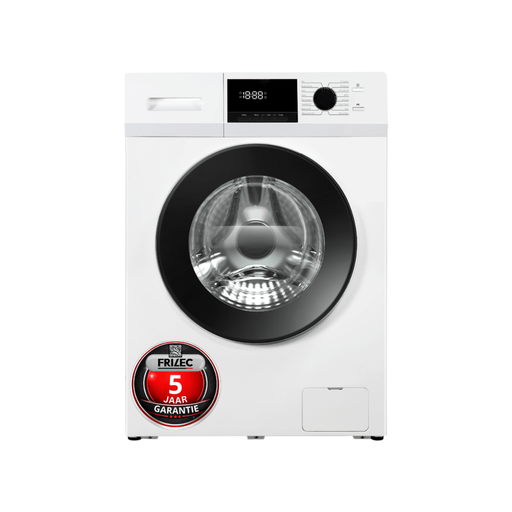
Frilec KOBLENZ8314WA-342, 8 kg
The listed cotton and bedding programmes may suit sheets that fall within the stated capacity.
8 kg; maximum 1400 rpm; Aquastop water protection; adjustable feet.
View at Joybuy
 No image available
Comfee CFP01EW70W-JD, 7 kg
The stated capacity and listed cotton and duvet programmes give you useful points of comparison for your load.
7 kg; depth 400 mm; spin speed adjustable up to 1400 rpm; delay start from 0–24 hours.
View at Joybuy
 No image available
Beko BM3WFU38412CW, 8 kg
The listed cotton programme makes this model worth comparing with the weight of your sheets, provided the load is within the stated capacity.
8 kg; maximum 1400 rpm; 76 dB(A) spin noise; XL door; dimensions 84,5 × 60 × 54,6 cm.
View at Joybuy
 No image available
Coocaa Galaxy A3 Series F702A3AВC0, 7 kg
This front-loading washing machine, with its stated 7 kg capacity, is an option to compare with the weight of a load of cotton sheets.
7 kg; maximum 1200 rpm; 76 dB spin noise; dimensions 595 × 440 × 850 mm; 15 wash programmes.
View at Joybuy
Frequently asked questions
Do you always need to wash cotton sheets at 60 °C?
No, follow the care label on your bedding. Milieu Centraal recommends Eco 40-60 for normally soiled cotton that the care label says can be washed at 40 or 60 °C. The programme name doesn’t mean the water stays at that temperature throughout the cycle.
What should you check before installing a machine in a shared utility room?
Measure the space, including room for hoses and the open door. Also check the water supply, drainage, electrical connection and whether the machine can be levelled. Where necessary, agree on the installation and washing times with the owner or other users.
What information is shown on the EU energy label for washing machines?
The European Commission lists, among other things, energy consumption per 100 cycles, water consumption per cycle, programme duration and noise during the spin cycle. Compare values on the same label basis; the label doesn’t necessarily predict your own costs or how disruptive the machine will seem.
Who should you contact about a faulty machine, and where can the old one go?
For a faulty product, the Dutch Government says the retailer is your point of contact for a remedy under Dutch statutory consumer rights; they can’t refer you to the manufacturer as your only option. You can return an old household appliance to the shop or online retailer where you buy a new, similar appliance, among other options.


