
Planning laundry before Monday
You need your cotton clothes ready in time, so you compare programme duration, permitted load and spin results.


Choose the capacity to suit your usual cotton wash, and check the duration and permitted load for the programme you plan to use before the working week. The Consumentenbond points out that a larger drum does not automatically wash small loads better or use less energy. Only wash a waterproof layer in line with its own care label: Patagonia advises against machine-washing its waxed cotton jacket, while other technical jackets may have their own instructions.
You need your cotton clothes ready in time, so you compare programme duration, permitted load and spin results.
You wash everyday cotton layers and may also have technical or waxed rainwear. You want to check the care instructions on each garment’s label.
You match the drum capacity to your usual load and take smaller washes, consumption and the space available for the machine into account.
Start with the care labels and your usual laundry load. Compare programme duration, capacity and consumption figures using the same basis, and make sure it matches the programme you plan to use.
| What to consider | What should you look for? | Who is this important to? |
|---|---|---|
| Getting the wash done in time | Check the duration and maximum load for the cotton or quick programme you have in mind. Also check the spin results if the laundry still needs to dry afterwards. | If I need the cotton wash done before Monday, I want to know how long the cycle takes and how much laundry it can hold. Around 29% of consumers prioritise getting their cotton wash done in time. |
| Suitable capacity | Weigh a typical sorted load and compare the permitted load for the cotton programme with the machine’s rated capacity. | I want a drum that suits my usual cotton wash, not just an unusually full laundry basket. Around 23% of consumers prioritise a suitable capacity. |
| Caring for rainwear | Read the label on each garment, then check that the machine offers the recommended settings. An Outdoor programme is not permission to machine-wash every jacket. | If I also want to wash a waterproof layer, I first need to know whether that particular garment can go in the machine. Around 18% of consumers prioritise rainwear care. |
| Consumption | Compare energy use, water use and programme duration on the same labelling basis. The European Commission explains that EU washing machine label data is based on Eco 40-60; those figures do not automatically apply to a quick programme. | I want to be able to compare energy and water figures on the same programme basis. Around 18% of consumers prioritise running costs. |
| Space and installation | Compare the machine’s dimensions with the space available, and also measure the access route, doorway and room for connections. | If space is tight, I want to know in advance whether the machine will fit, as well as whether I can get it to its intended position. Around 12% of consumers prioritise installation. |
Technical and waxed cotton rainwear can have different washing instructions. Patagonia says not to machine-wash its waxed cotton jacket.
Sort clothes by material and check their labels before choosing a programme.
Incorrect care could damage the garment or affect the way its fabric is meant to be maintained.
According to the Consumentenbond, consumption is not always adjusted accurately for smaller loads, and underloading can affect washing results.
Weigh a typical load and choose the capacity to suit what you usually wash, not just an occasionally full laundry basket.
EU label data is based on Eco 40-60. A different cycle may have a different duration and use a different amount of energy and water.
Compare label values on the same basis, and check the duration and permitted load for the shorter cycle separately.
The Netherlands-market Bosch WGE02404NL is a front-loading machine with a stated capacity of 7 kg. It provides a point of reference if you usually wash smaller cotton loads.
According to AEG, the Netherlands-market 6000 ProSense LR6KOLN has a capacity of 8 kg and programmes including Cotton, Outdoor and 20Min 3Kg.
According to Miele, the Netherlands-market WEC395 WPS is a front-loading machine with a capacity of 8 kg and an adjustable spin speed.
The Netherlands-market WW80CGC04AAEEN has a stated capacity of 8 kg, an A energy rating and app features.
This selection includes front-loading machines for everyday laundry, including cottons. For each waterproof layer, check the garment’s care label and the instructions for the specific model.
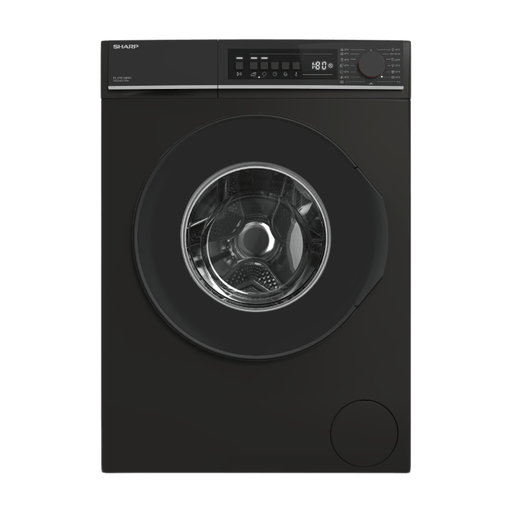 Image unavailable
One to consider if you’re looking for a washing machine with a capacity of 7 kg for everyday cotton laundry.
The product name lists a maximum spin speed of 1400 rpm and an A energy rating.
 Image unavailable
Worth considering if a capacity of 8 kg suits your usual laundry load.
The product name lists 16 wash programmes. Check the load capacity and duration of the programme you plan to use for cottons.
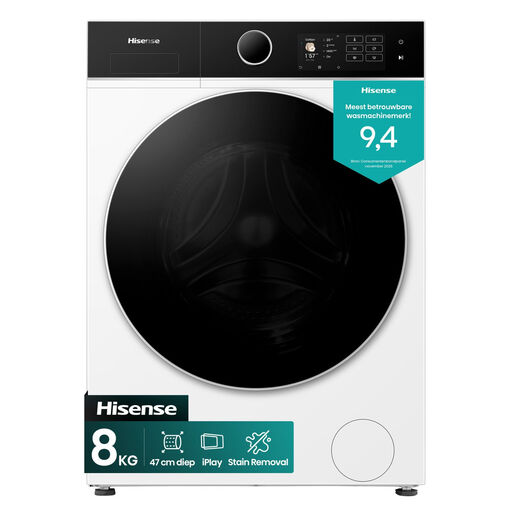 Image unavailable
One to consider if you’re looking for a front-loading machine with a capacity of 8 kg.
The product description advises against washing thick, waterproof fabrics in this machine. Do not use this model for those fabrics.
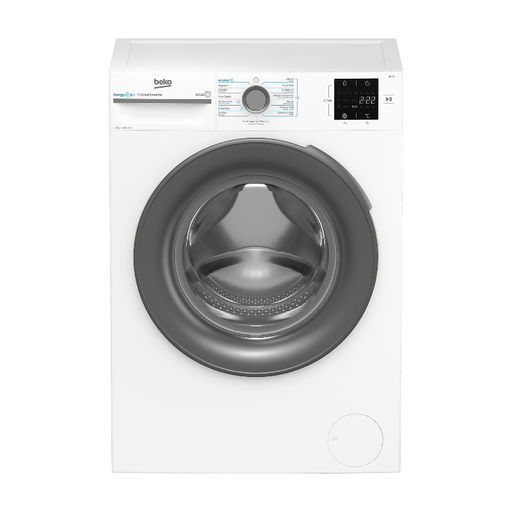 Image unavailable
Worth a look if a capacity of 7 kg suits your usual laundry load.
The product name lists 15 wash programmes. Compare the energy rating and programme settings with what you actually need.
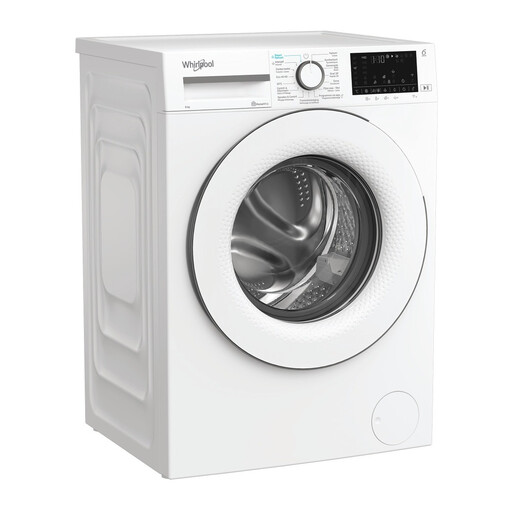 Image unavailable
One to consider if a washing machine with a capacity of 7 kg suits your usual load.
The product name lists a maximum spin speed of 1200 rpm. Check the programme duration and whether its permitted load fits your plans.
Not without first checking the labels on each garment. Patagonia’s care instructions for its technical jackets may allow machine-washing, but it advises against putting its waxed cotton jacket in the washing machine. Those brand instructions do not automatically apply to other jackets.
Only if the cotton can be washed at 40 or 60 °C according to its label, is normally soiled and can be washed within the time you have available. The Consumentenbond points out that, in tested machines, this programme may rinse less effectively than a standard cotton programme. For a shorter cycle, check its actual duration and permitted load.
The EU label for household washing machines shows, among other things, the A–G energy class, energy consumption per 100 cycles, water consumption, programme duration and noise. According to the European Commission, the energy figures are based on the prescribed testing conditions for Eco 40-60; do not treat them as figures for every other programme.
In the Netherlands, statutory consumer protection applies without a fixed statutory guarantee period. The Dutch government states that if a product does not meet reasonable expectations, the seller must provide an appropriate solution. Normal wear and tear or damage caused by the user is not necessarily covered.
Follow the cleaning instructions in your model’s manual. Milieu Centraal recommends, among other things, running a 60 °C wash regularly to help prevent soap and dirt residue and unpleasant smells. This maintenance advice does not mean you should wash every garment at 60 °C.