
Doing laundry in a narrow space
You want to know whether a top-loader, shallow front-loader or integrated model will fit, with enough room to open the door or lid.


First, measure the width, depth and height of your laundry area, as well as the clearance needed to open the machine. A top-loader can save width, while a shallow front-loader leaves space above the machine but needs room in front for the door. Then choose based on the care labels for the complete costume and the amount of washing you usually do. Compare consumption figures for the same programme basis, and check the installation requirements for the exact model.
You want to know whether a top-loader, shallow front-loader or integrated model will fit, with enough room to open the door or lid.
You wash cotton rehearsal costumes with colours, prints or attached details that need care. Always follow the care label for the whole garment, not just the fabric description.
You want a drum that suits the amount of clothing you wash after each rehearsal, without choosing a large machine that you usually can’t fill appropriately.
Suitable for: a laundry area where width or space in front of the machine is limited, provided there’s enough room above it to open the lid.
Bear in mind: the lid needs clearance above the machine, so you can’t necessarily use the top as a work surface.
Suitable for: a space with enough width but limited depth, where the door can open in front of the machine.
Bear in mind: the stated cabinet depth isn’t necessarily the full installation depth. Allow for hoses and the door opening too.
Suitable for: a laundry area with a recess that the documentation confirms is suitable for your chosen integrated model.
Bear in mind: check the furniture door, connections and clearance to open the machine door too. The recess dimensions alone don’t tell you everything.
Suitable for: you also want to tumble-dry clothes and don’t have room for a separate dryer, provided the care labels allow tumble drying.
Bear in mind: check the separate drying capacity and drying programme. Consumentenbond notes that a washer-dryer takes up less space than a separate washing machine and dryer.
| What to consider | What to check before buying | Who should pay particular attention? |
|---|---|---|
| Space and opening clearance | Measure the available width, depth and height. Compare these with the dimensions and installation instructions for the exact model, including space for hoses and an open door or lid. | If my laundry area is tight, I want to be sure the machine not only fits on paper but can also be opened. Around 36% of consumers say fit is their main priority. |
| Care label | Check the labels on the complete costume and compare the permitted temperature and treatment with the available programmes and settings. | For costumes with prints or attached details, I want to be able to care for the whole garment according to its label. Around 29% of consumers say costume care is their top priority. |
| Drum capacity | Weigh a typical dry load and compare it with the machine’s capacity and the programme you want to use. The maximum capacity doesn’t necessarily apply to every programme. | If the amount of laundry varies from rehearsal to rehearsal, I want a drum that suits my usual load. Around 21% of consumers focus primarily on the amount of washing per cycle. |
| Consumption and maintenance | Compare energy consumption per 100 eco 40-60 cycles and water consumption per cycle using the same label basis. The European Commission explains these figures on the EU energy label; check the maintenance information too. | If I do laundry often, I want to factor in consumption and maintenance when choosing. Around 14% of consumers say running costs are their main priority. |
Hoses and the door opening may need extra space. A machine that fits the cabinet dimensions may still not be able to be connected or opened.
Measure your laundry area and compare the result with the installation and opening dimensions for the exact model.
A garment’s care label may specify a maximum temperature, gentler treatment, hand-washing or that it must not be washed.
Check the care instructions for the complete costume before choosing a programme.
Washing and drying capacity need to be considered separately, and not every costume can be tumble-dried.
Choose this option only if you need to dry clothes and the care labels allow it; compare the washing and drying figures separately.
The AEG LTR6ECO is a top-loader to consider if limited width is your main concern. AEG lists a width of 397 mm and a capacity of 7 kg.
The Haier HW80-BP14929A is an example of a freestanding front-loader with a stated depth of less than 50 cm.
The Beko BM3WFU3741W is a freestanding front-loader with a stated width of 60 cm and depth of 49,6 cm.
Whirlpool lists the Whirlpool TW 6521S SENSE WASH BE as a top-loader that’s 40 cm wide, with a capacity of 6,5 kg.
The Bosch WIW28542EU is an integrated front-loader for a recess that’s suitable for the exact model.
This selection features freestanding front-loaders with different stated capacities, programmes and dimensions. Compare the measurements with your laundry area and always follow the care label for the complete garment when washing costumes.
 No image available
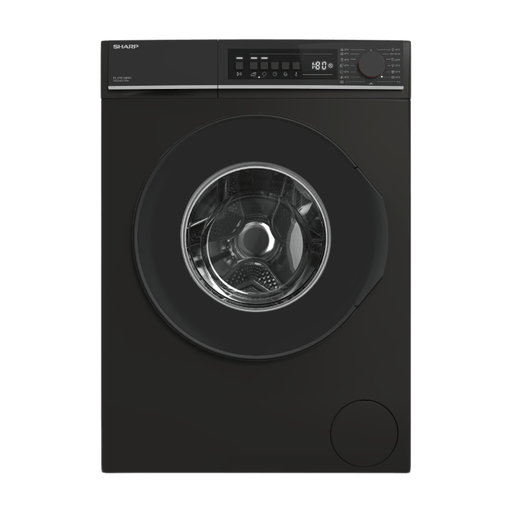
A freestanding front-loader to consider when weighing up cotton and delicate programmes alongside dimensions and drum capacity.
7 kg; 15 programmes; stated dimensions 597 × 845 × 600 mm; cotton and delicate fabrics; 1400 rpm; energy rating A; black.
 No image available
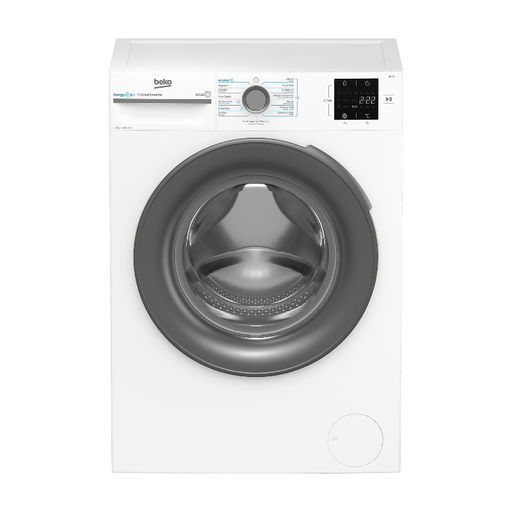
Consider this freestanding front-loader if you want to match its stated 7 kg capacity and listed wash programmes to your usual load and clothing care labels.
7 kg; 15 programmes; cotton, wool and delicates/hand-wash programmes; maximum 1400 rpm; energy rating C; silver.
 No image available
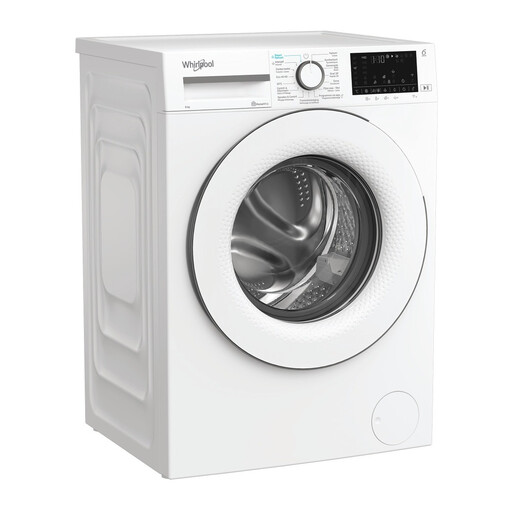
A freestanding machine to consider if its stated drum capacity and programmes suit your load and costume care labels.
7 kg; cotton, delicates and hand-wash/wool programmes; 1200 rpm according to the product title; white.
 No image available
Its stated depth and capacity are worth comparing with the space in your laundry area and the size of your usual load.
6 kg; stated depth 45 cm; 15-minute Quick Wash; Steam Wash; energy rating B.
 No image available
A front-loader to consider if you want to match its stated capacity and programmes to your load and care instructions.
7 kg; 15 programmes; adjustable temperatures from cold to 90 °C; steam programme.
No, the fabric description alone isn’t enough. Check the care label for the whole garment: the wash symbol tells you whether it can be washed, the maximum temperature and whether gentler treatment is needed. A crossed-out wash tub means the item must not be washed.
Allow room for the door to open or space above the lid too. Follow the model’s manual to check the floor, water supply and drainage, hose lengths and an earthed socket; remove the transit bolts before use. These are installation and safety checks, not a general guarantee that every laundry area is suitable.
Consumentenbond recommends using the correct amount of detergent, leaving the door and detergent drawer open to dry, and checking the seal and filter regularly. Its maintenance advice also recommends running a hot wash programme from time to time; don’t wash a costume on that temperature if its care label doesn’t allow it.
The EU energy label for household washing machines includes the energy rating, energy consumption per 100 cycles and water consumption per cycle, measured on the prescribed label basis. Consumer purchases are also covered by a statutory guarantee: if a product doesn’t perform as you could reasonably expect under normal use, the seller is responsible for providing an appropriate solution. There isn’t automatically one fixed guarantee period for every washing machine.
In the Netherlands, when private customers buy a new, similar appliance, the old-for-new scheme applies; the shop can’t charge for taking away the old appliance. According to the Dutch government, this scheme doesn’t apply to equipment owned by businesses.