
Vandaag of morgen in huis

Kwaliteit gegarandeerd

Welkomstaanbiedingen ontgrendelen: GRATIS bezorging | Tot 80% korting | Gratis 30 dagen JoyPlus-proefperiode
Download de app
Buying a new washing machine sounds simple until you start comparing energy classes, load capacities, spin speeds and dozens of programmes. Marketing terms such as “extra efficient”, “steam hygiene” and “quick wash” may sound appealing, but they do not always tell the full story.
When comparing models, pay particular attention to the official product specifications, dimensions and noise level. This helps you avoid buying a machine that does not fit the available space, turns out to be too small for your household or is only energy-efficient on paper.
A class A washing machine meets the European energy classification requirements, but energy consumption can vary between models. So also check the stated consumption in kWh per 100 wash cycles. According to the product specifications, a machine using 33 kWh per 100 cycles consumes less electricity than a model using 47 or 51 kWh when the comparable Eco 40-60 programme is used.
Labels such as A-10%, A-25% or A-30% are additional manufacturer designations. According to the brand’s product information, these percentages indicate lower energy consumption than the threshold for energy class A. Always check the official energy label and the exact measurement before buying.
A 10 kg washing machine or 11 kg washing machine is practical for large families and lots of bedding, but it does not automatically take up more external space. Depth varies by model. Therefore, measure:
A freestanding washing machine usually stands independently, but it must be installed level on a solid floor. Remove the transit bolts before first use and connect the appliance to a suitable earthed socket.
A washing machine with a quick wash programme is designed for small or lightly soiled loads. 15-minute programmes are useful for freshening up clothes, but they do not always replace a full cotton or hygiene cycle. Also check the maximum load for the short programme; it is often lower than the drum’s rated capacity.
According to the manufacturer, a washing machine with a steam function can help reduce creases or freshen textiles. This does not mean that every garment is suitable for steam, nor does it guarantee medical or hygienic performance. Follow the garment’s care label and the machine’s instructions.
The right capacity depends on your washing routine:
Do not routinely fill the drum to maximum capacity. An overloaded machine may clean laundry less effectively and cause more vibration. Delicate fabrics and short programmes often have a lower recommended load.
A 1400 rpm washing machine can extract more moisture from textiles during the spin cycle than a model with a lower speed. This can help laundry dry faster, although the actual result also depends on the spin efficiency class, the material and the selected setting.
In addition to spin speed, check the noise level in dB(A). A quiet washing machine is particularly relevant in flats, open-plan kitchens and homes where laundry is done in the evening. Compare the stated spin noise separately from the noise level during washing.
A washing machine with an inverter motor, such as a BLDC motor, operates without traditional carbon brushes. Manufacturers often associate this type of motor with lower noise, smoother operation and reduced energy consumption. According to the product specifications, you should focus on the combination of motor type, noise class, energy consumption and warranty conditions.
Extra features such as automatic load detection, foam detection, drum cleaning and delayed start can be useful. However, they are only valuable if you actually use them.
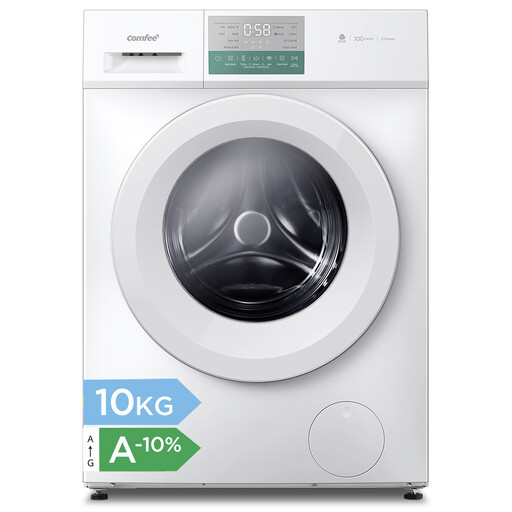
Why it suits this profile: This model combines a spacious drum with a 15-minute quick wash, steam function and BLDC inverter motor. You get plenty of everyday features without immediately having to choose a model with smart controls.
The product specifications mention not only A-10%, but also a 10 kg capacity, up to 1400 rpm and a separate quick programme. Compare these points with the energy label.
10 kg capacity, 1400 rpm, steam function, Woolmark wool programme, drum cleaning and the option to add clothes during a cycle.
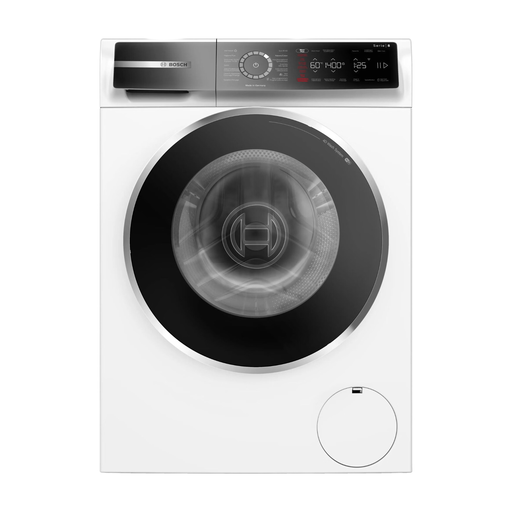
Why it suits this profile: The 9 kg drum, extensive programme selection and control via buttons, touchscreen and app are ideal for households that expect plenty of adjustment options.
In addition to energy class A, the product specifications state 33 kWh per 100 Eco 40-60 cycles and 69 dB during spinning. This lets you compare efficiency and noise using concrete figures.
A class, 1400 rpm, Iron Assist with steam, Mini Load, AquaStop, SpeedPerfect and Home Connect.
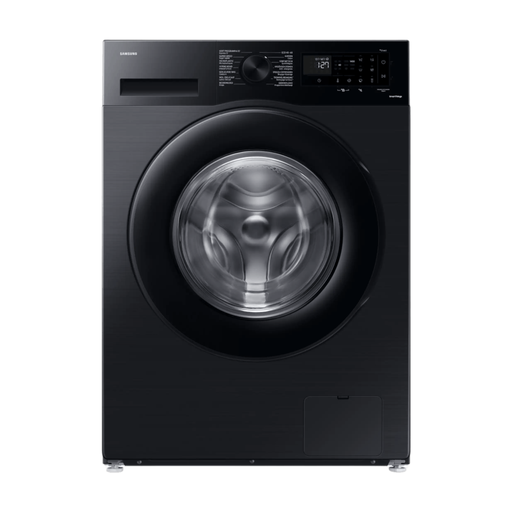
Why it suits this profile: With an 11 kg capacity, Wi-Fi, automatic load detection and a 15-minute programme, this model is aimed at large households with lots of different types of laundry.
The large drum comes with a standard width of 60 cm and a depth of 57.5 cm. Even so, measure the available space beforehand.
11 kg, 1400 rpm, Digital Inverter Motor, Hygienic Steam, Quick Wash 15', drum cleaning and SmartThings Wi-Fi.
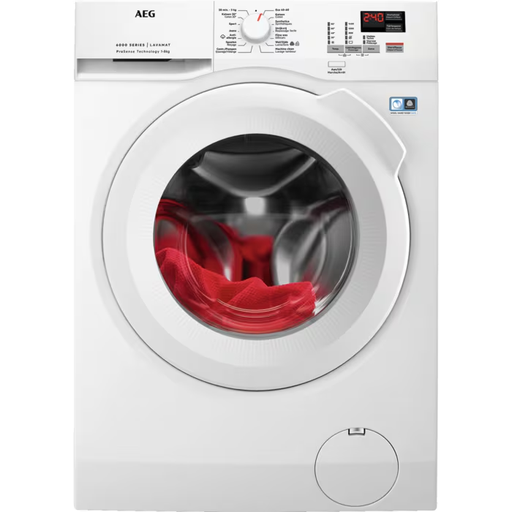
Why it suits this profile: The stated depth of 57.7 cm is useful for a smaller laundry area, while the 8 kg capacity can be sufficient for one- or two-person households.
The compact dimensions are combined with specific consumption information: 47 kWh per 100 Eco 40-60 cycles. The stated spin noise is 75 dB.
8 kg, 1400 rpm, ProSense load detection, inverter motor+, steam programme and delayed start.
We have put together a complete, up-to-date list of products that fully meet these strict selection criteria and the applicable European safety regulations.
Its lifespan depends on how often it is used, the load, maintenance and installation. Clean the drum, detergent drawer and lint filter regularly. Leave the door and drawer slightly open after use to limit moisture build-up and unpleasant smells. A motor or product warranty provides additional information, but it does not guarantee the appliance’s total lifespan.
This depends on the number of wash cycles, the programme, the load and your electricity tariff. Use the figure on the energy label as a point of comparison. According to the product specifications, a model using 33 kWh per 100 cycles consumes less than a model using 51 kWh under the same standardised measurement method. Actual costs may vary in your home.
For most households, 1400 rpm is a practical choice. It removes a significant amount of moisture from towels, cottons and bedding. Also check the spin efficiency class and reduce the spin speed for delicate fabrics. A higher spin speed does not automatically mean shorter drying times for every type of textile.
