
Washing shirts before moving
You want to wash cotton shirts using settings that suit their care labels, without buying a large-drum machine unnecessarily. The care instructions, your usual load and the time available are all important.


If you only need to do one load just before moving, don’t automatically buy a new washing machine: first see whether you can use an existing or shared laundry facility. If you also want to do your own washing after the move, choose a machine based on the care label and the size of your usual load, then check the space, connections and transport arrangements. A top-loader may suit a narrow space, while a front-loader needs more depth and room for the door to open.
You want to wash cotton shirts using settings that suit their care labels, without buying a large-drum machine unnecessarily. The care instructions, your usual load and the time available are all important.
You’ll need to measure more than just the width and depth: check that the door or lid can open and that the connections will fit. A slim top-loader and a shallower front-loader solve different space problems.
You want to know whether the machine will fit in both locations and how to transport it safely. The Consumentenbond, for example, advises securing the drum with transit bolts before transport, following the instructions in the manual.
A good fit if: you plan to do your own washing regularly after the move and have room for the machine, its open door and the connections.
Bear in mind: front-loaders are often around 60 cm wide; depth varies by model, and a large drum isn’t necessarily right for small loads.
A good fit if: width is the main constraint and there’s enough space above the machine to open the lid.
Bear in mind: you can’t use the top as a work surface, and capacity is more limited than that of many front-loaders.
A good fit if: there’s no room for a separate tumble dryer and you genuinely need to dry clothes electrically.
Bear in mind: check the washing and drying capacities separately. The Consumentenbond notes that drying in a standard washer-dryer can use a lot of energy and take a long time.
A good fit if: you only need to do one load before the move and an existing or shared facility is available.
Bear in mind: check that you can access the facility and that it fits in with your plans; access and costs vary from one situation to another.
| Concern | What to look for when buying | Who is this most relevant to? |
|---|---|---|
| Washing shirts according to their care labels | Check the permitted temperature, suitable programme and maximum load for that programme. | If I want to wash cotton shirts, I pay most attention to the care instructions on their labels. Around 31% of consumers give priority to washing shirts appropriately. |
| Finding a suitable space | Measure the width, depth and height at both locations; allow for the door or lid to open and for the connections. | If space is tight, I want to know whether the machine will fit, including with its door or lid open. Around 25% of consumers put fit first. |
| Transporting the machine when moving | Check the model’s dimensions, whether transit bolts are available and how you’ll arrange transport. | If the machine needs to go to another room, I want to be able to plan how to disconnect and reinstall it. Around 19% of consumers place the most importance on how easy it is to move. |
| Purchase and running costs | Compare the energy label information on a like-for-like basis and choose a drum that suits your usual load. | If I’m mainly concerned about energy use and costs, I want to compare the model’s energy consumption without choosing an oversized drum. Around 13% of consumers put this consideration first. |
| Having a dry shirt in time | Check the programme duration and permitted load; also decide where the washing can dry afterwards. | If I need the shirts again soon, I pay attention to how long it takes for them to be washed and dry. Around 12% of consumers make drying in time their top priority. |
A programme name doesn’t prove that every shirt will come out with fewer creases. The care label determines how the garment can be treated; a special programme may also have a lower load limit.
Check the care label and the programme’s maximum load. Also compare the temperature and spin settings available on the exact model.
A machine may fit on paper but still leave too little room for an open door or lid, hoses or connections. It also needs to fit in its new spot after the move.
Before you order, measure both locations and the route between them, including the space needed to use and connect the machine.
Drying capacity may be lower than washing capacity. The Consumentenbond also notes that drying in a standard washer-dryer can use a lot of energy, and combined cotton programmes can take a long time.
Compare washing and drying capacities separately, and choose this option only if you need to dry clothes despite having limited space.
Moving a washing machine takes preparation, such as draining the water and securing the drum as described in the model’s manual. You’ll also need to check whether you can reconnect it in its new location.
First decide whether you’ll need and be able to install the machine after the move. If not, see whether an available laundry facility can handle the load you have planned.
Beko Netherlands lists the BM3WFT3841B1 with an 8 kg capacity, a cotton programme, a shirts programme and a depth of 54,6 cm.
Bosch Netherlands lists a shirts programme and a spin noise level of 73 dB(A) for the WAN28277NL.
Whirlpool says the TW 6521S SENSE WASH BE is a top-loader measuring 40 cm wide, with a capacity of 6,5 kg.
AEG lists the LR87BADEN with a capacity of 10 kg and a stated depth of 660 mm.
LG lists the F4X5009THB with a capacity of 9 kg and features including TurboWash360 and Steam.
This selection includes compact appliances for small loads of textiles, as well as freestanding washing machines to compare for a typical load of cotton shirts.
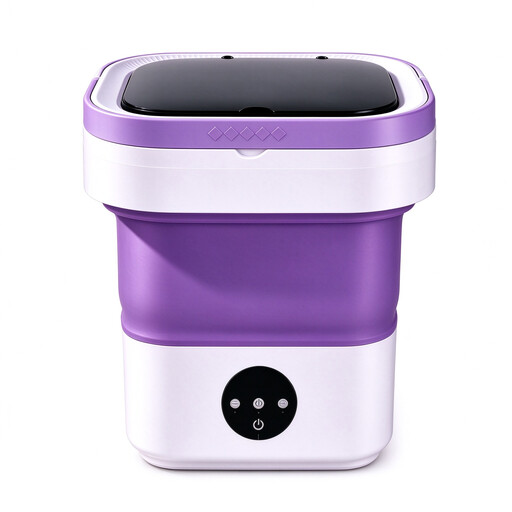 No image available
An option to consider for small loads of textiles; check that the permitted load and wash programme are suitable for your shirts.
The product name mentions a 3-in-1 wash and dry function and a capacity of 12 L. The description is aimed at small textile items, not a larger load of washing.
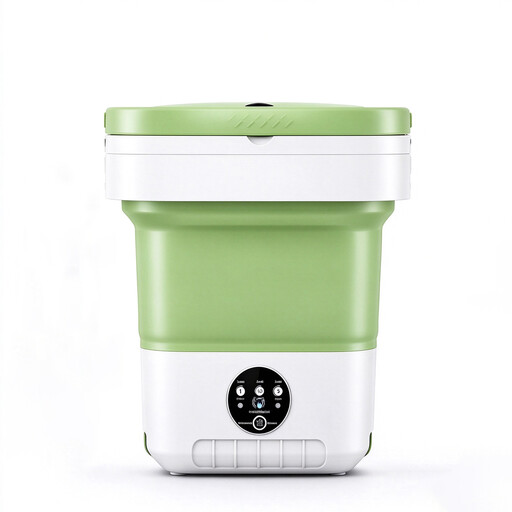 No image available
This compact option is designed for small loads; first consider whether its limited capacity is enough for what you want to wash.
The product information lists a capacity of 12 litres, a maximum load of 1,5 kg and a foldable design. The description mentions small items of clothing, among other things.
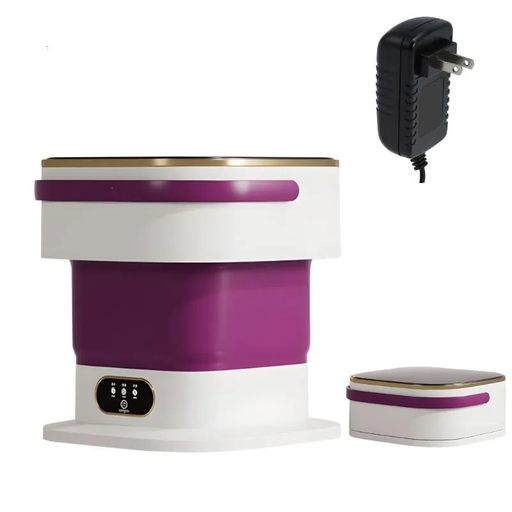 No image available
Worth considering for small items of clothing if the maximum load suits your washing needs; don’t expect it to handle a larger household load.
The product information lists a capacity of 15 litres, a maximum load of 1,9 kg and a foldable design. The description is aimed at small items of clothing.
 No image available
A freestanding washing machine to compare if you also want to do your own washing after the move, as well as this load.
The product name lists an 8 kg capacity, a spin speed of 1400 rpm and 16 wash programmes. The product information mentions cotton and a blouse or shirts programme; check the settings and permitted load for the exact programme.
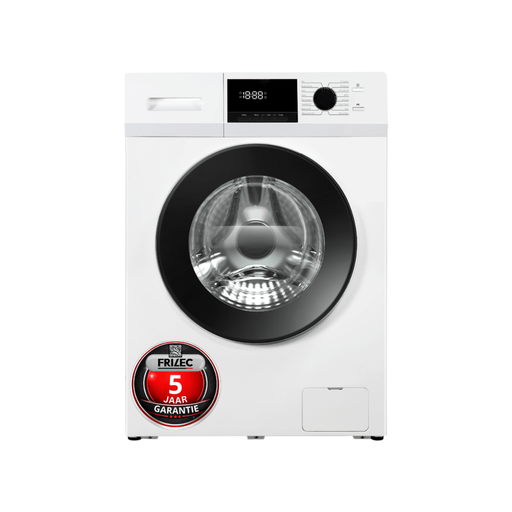 No image available
A freestanding option if you’re looking for a household washing machine that you can continue using after the move.
The product name lists an 8 kg capacity. The product information mentions cotton and blouse or shirts programmes; check the permitted load and the exact model’s dimensions.
No. The care label tells you the maximum permitted temperature and how gentle the programme needs to be. Follow the symbols on the individual shirt rather than relying on the name of the fabric alone.
The Consumentenbond advises turning off the tap, unplugging the machine and draining any remaining water. Secure the drum with the transit bolts for transport, following the model’s manual, and keep the machine as upright as possible while moving it.
The current EU scale for household washing machines runs from A to G. The label includes information such as energy use per 100 cycles and water use per cycle; the European Commission explains how the label works. These figures don’t measure the energy or water use of your own shirts programme.
No. Your statutory rights exist alongside any manufacturer’s or retailer’s warranty. According to ACM ConsuWijzer, factors such as normal use and the lifespan you could reasonably expect from the product are relevant. If a product is faulty, contact the retailer.
For an online purchase, you generally have a statutory cooling-off period of up to 14 days after delivery, subject to conditions and exceptions. If you buy a similar new appliance, the retailer must take back the old one under the Dutch take-back scheme; check separately how collection and any installation services are arranged in practice.