
Moving once
You mainly want to wash one load of T-shirts and aren’t sure whether you’ll need your own machine after you move. First, see if you can use an existing or shared machine; one wash doesn’t automatically justify a purchase.


Don’t buy a washing machine just for this one wash if you can use an existing machine before you move; base any purchase on the washing you expect to do afterwards. Weigh a typical sorted cotton load, measure the full installation space and check the connections. A slim top-loader may fit where width is limited, while a front-loader needs room for its door to open. Then compare the load capacity for each programme, the energy label and the spin performance. A short programme isn’t automatically suitable for a full load of cottons.
You mainly want to wash one load of T-shirts and aren’t sure whether you’ll need your own machine after you move. First, see if you can use an existing or shared machine; one wash doesn’t automatically justify a purchase.
You want to keep doing your own washing after you move, but the available width, space above the lid and connection points will determine which type of machine will fit.
You’ll still be washing cottons regularly after you move. So choose a drum capacity that suits your usual sorted load, not just this one wash.
First decide whether you’ll keep doing your own washing after you move. Then let the available space and your usual load guide your choice of machine.
When: If you only want to wash the T-shirts before you move and won’t need your own machine afterwards.
The trade-off: You avoid buying and transporting another appliance, but you’ll depend on having access to the machine and finding an available time to use it.
When: If you’ll do your own washing after you move, width is limited and you can fully open the lid above the machine.
The trade-off: The Whirlpool and AEG models reviewed are around 40 cm wide and have a capacity of 6 to 6.5 kg. Check each model’s depth, height and lid clearance too.
When: If there’s room for the machine and its open door, and you expect to do larger loads regularly after you move.
The trade-off: The Beko and Bosch models reviewed have a capacity of 8 kg and are around 60 cm wide. That capacity won’t necessarily suit you if you mainly do small loads.
| Concern | What should you check? | Who is this important for? |
|---|---|---|
| One-off use | Can you use an existing machine before you move, and will you want to do your own washing afterwards? | I only want to wash these T-shirts and may be able to use an existing machine afterwards. Around 36% of consumers prioritise avoiding an unnecessary purchase. |
| Fitting into your new space | Measure the width, depth and height; check the lid clearance, water supply, drainage and an earthed socket. | If I keep doing my own washing, the machine needs to fit in the new room without blocking the lid or connections. Around 29% of consumers prioritise a physical fit. |
| Capacity for cottons | Weigh a typical sorted cotton load and check the load limit for the programme you want to use. | I’ll still wash cottons regularly after I move and want the drum to suit my usual load. Around 21% of consumers prioritise a suitable capacity for regular washing. |
| Washing time and drying | Compare programme duration and maximum load; also check the spin performance and care label. | I need the T-shirts on time and want to know how much washing the chosen programme can handle. Around 14% of consumers focus mainly on washing and drying times. |
The stated load capacity refers to cotton washing; a large drum won’t necessarily suit you if you usually do small loads. Consumentenbond and Milieu Centraal recommend choosing a capacity that matches your usual load.
Weigh a typical sorted load and base your choice on how you’ll use the machine after you move, not just on the T-shirts you have now.
A slim machine won’t automatically fit if its depth, height, connections or lid clearance aren’t right.
Measure the full installation space and the route to it, and check how the lid opens before choosing a model.
The maximum load can vary between programmes. Consumentenbond says that Eco 40-60 generally takes longer than a short programme.
Check the manual for the load limit and duration of the exact programme you want to use.
Bosch says the transit bolts secure the drum during transport and must be removed before use.
Keep the correct bolts for your next move and follow your model’s manual when reinstalling the machine.
The Whirlpool TW 6521S SENSE WASH BE is a 6.5 kg top-loader for spaces where width is limited.
The AEG LTR6162K is a top-loader with a capacity of 6 kg.
The Beko BM3WFT3841A is an 8 kg front-loader to consider if you expect to do larger loads after you move.
The Bosch Serie 4 WAN2827GNL is an 8 kg front-loader for a space with enough room for a standard-width machine.
Below are foldable options for small garments and freestanding front-loaders with a range of stated capacities. Compare them with the loads you expect to wash and the space available after you move.
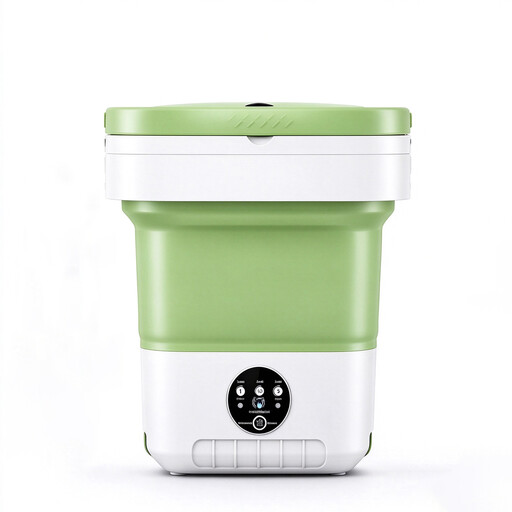 No image available
For a small wash of small garments. The stated maximum load is 1.5 kg; check whether that limit is suitable for your T-shirts.
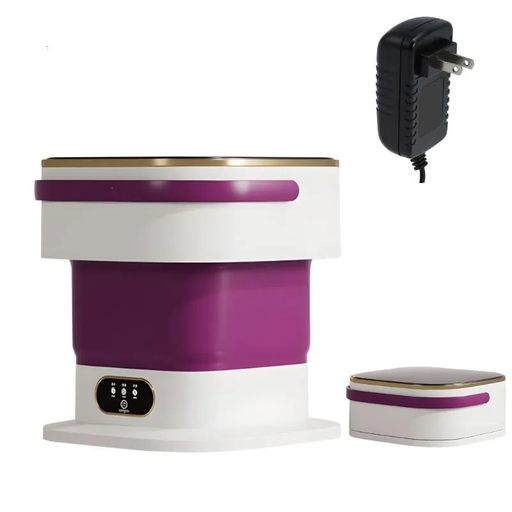 No image available
For a small wash of small garments. The stated maximum load is 1.9 kg; check whether that limit is suitable for your T-shirts.
 No image available
A front-loader to consider if you expect to do regular washing after you move. The description lists 16 programmes, including cottons and a 15-minute programme, plus a maximum spin speed of 1400 rpm.
 No image available
An 8 kg front-loader to compare with your usual load after you move. The stated specifications include 1351 rpm and an A energy rating; the machine also has a steam function.
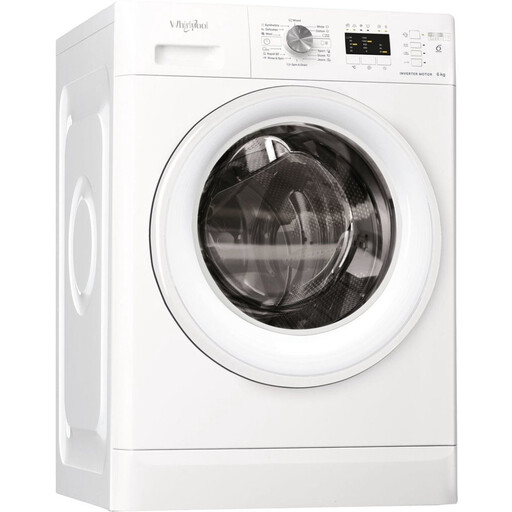 No image available
A front-loader to consider if you’re looking for your own machine for regular washing. The description lists a cottons programme; the capacity is 6 kg and the stated spin speed is 1200 rpm.
Yes, as long as the care label allows washing at 40 °C or 60 °C and you stay within the machine’s maximum load. The European Commission describes Eco 40-60 as a programme for normally soiled cottons; also check the load limit for the programme on your model.
Follow your model’s manual. For its machines, Bosch recommends switching off the power, turning off the water supply, draining water from the hoses and filter, and securing the drum with the correct transit bolts. Remove the bolts again before use.
Check that there’s a stable surface, accessible water supply and drainage, and an earthed socket. Bosch includes these points in its installation advice; also consult the manual for your chosen model to check its specific requirements.
In the Netherlands, there is no fixed two-year statutory guarantee period: the product must meet the standard you’re entitled to expect under normal use. ACM ConsuWijzer says the retailer is responsible for this; a manufacturer’s or additional guarantee doesn’t replace that right.
No, the cooling-off period doesn’t apply to every transaction. The Dutch Government says that, in many cases, distance purchases come with a 14-day cooling-off period; check who the retailer is and which terms apply to your purchase.