
Washing several guest bedding sets
You want to wash bedding regularly and work out what capacity and drum space are right for your sorted laundry.


Choose a washing machine based on both the weight and bulk of a typical sorted load; the stated capacity usually applies to cotton washing. Then compare the permitted load and programme duration for the cycle that matches the care symbols, as a short programme isn’t automatically suitable for a full load of bedding. If you wash regularly, you can also compare the figures on the energy label, bearing in mind that they relate to the specified test cycle.
You want to wash bedding regularly and work out what capacity and drum space are right for your sorted laundry.
You’re short of time before the working week and want to know whether a suitable programme will finish the load you have in mind in time.
You wash guest bedding with different care symbols and want to match the temperature, treatment and programme load to each item.
| What to consider | What should you check? | Who is this important for? |
|---|---|---|
| Room for your load | Weigh a typical sorted load and check the drum space and door opening as well as the stated capacity. The Consumentenbond points out that the stated capacity applies to cotton washing. | If I want to wash several sets at once, I need to know they’ll fit without being crammed into the drum; around 29% of consumers prioritise load size. |
| Programme and time available | Check the manual for the duration and maximum load of the programme suited to the fabric. The Consumentenbond recommends taking programme duration into account; the care symbols indicate the appropriate treatment. | With little time before the working week, I need to know whether my full, suitable load will be finished in time; around 29% of consumers prioritise their schedule. |
| Energy and water use | Compare the energy label figures on a like-for-like basis. The European Commission links the stated efficiency and consumption figures to the eco 40-60 programme. | If I wash bedding regularly, I want to factor in consumption without assuming the label figures apply to every programme; around 21% of consumers prioritise running costs. |
| Care for different fabrics | Check the care symbols and compare the permitted temperature, gentleness and load for the matching programme. GINETEX explains what the washing symbols mean. | When sets are made from different fabrics, I want to be able to choose the right treatment for each item; around 21% of consumers prioritise fabric care. |
A larger capacity won’t automatically make a wash quicker. The Consumentenbond warns that consumption doesn’t adjust precisely for smaller loads, and a half-full wash may not clean as well.
First, weigh a typical sorted load and compare it with the capacity and drum space you actually need.
The maximum capacity doesn’t automatically apply to every programme. A short programme may have a lower load limit than the cotton cycle.
Check the manual for both the permitted load and the duration of the programme that’s right for your bedding.
The European Commission links the efficiency, programme duration and water-use figures to eco 40-60. Other programmes or loads may differ.
Compare label figures on a like-for-like basis, then separately assess which programme you usually use for your bedding.
The WAN2827TNL is a useful comparison if you’re considering a 9 kg front-loading machine with an option for quicker washing.
The BM3WFT3841W offers an 8 kg comparison if your weighed load will fit in a smaller machine.
The WED395 WPS offers a 9 kg comparison if you’d also like to consider a QuickPowerWash function.
This selection on Joybuy includes washing machines from 8 to 10 kg, with some models listing a bedding or short programme. Check for each model that your load and fabric are suited to the load limit and settings of the programme you choose.
 No image available
Worth considering if you’re looking for a 9 kg washing machine and want to compare a short programme. The product information lists 1400 rpm and Super Speed for 5 kg in 39 minutes; this doesn’t confirm that a full load of bedding will fit in that time.
 No image available
Worth comparing if you’re looking for an 8 kg washing machine with a bedding programme listed. The product information also mentions 1400 rpm and 16 programmes; check the manual to see what load is permitted for the bedding programme.
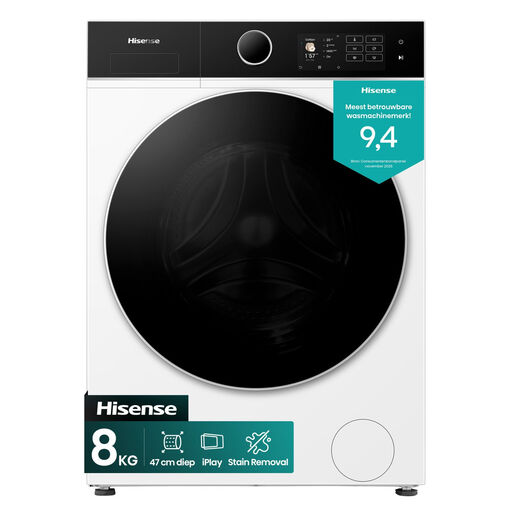 No image available
An option if you’re looking for an 8 kg washing machine with programmes listed for bedding and different fabrics. The product information lists 1400 rpm and a depth of 47 cm; compare this measurement with the space available for installation.
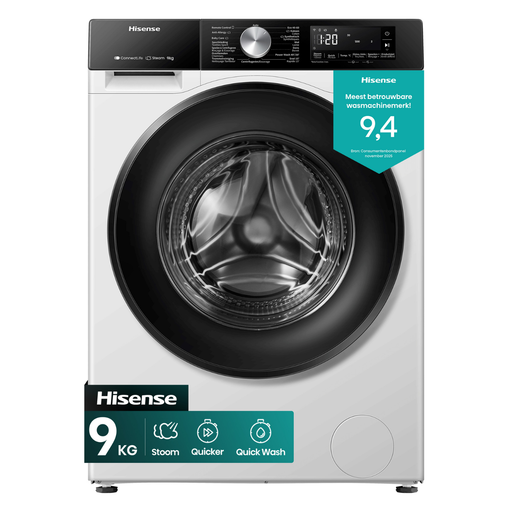 No image available
An option if you’re looking for a 9 kg washing machine with programmes listed for fabrics including wool and down. The product information lists 1400 rpm and Quick 15; check whether the permitted load for your chosen programme is suitable for your laundry.
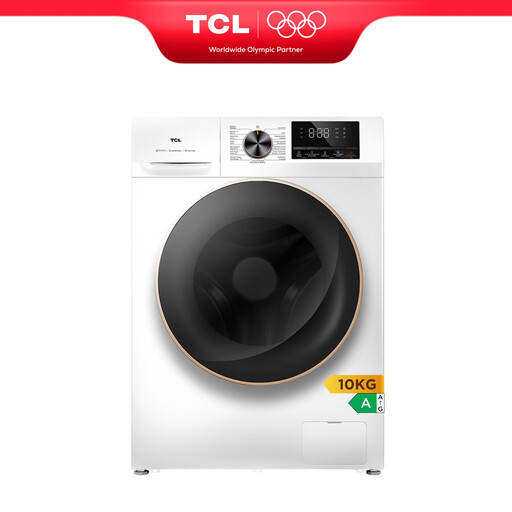 No image available
Worth comparing if you’re looking for a 10 kg machine and a bedding programme is important to you. The product information lists a 64 L drum volume and a 140° door opening; Quick 15 is described as being for lightly soiled everyday laundry, not a full load of bedding.
Not necessarily. The stated capacity applies to cotton washing; for delicate or synthetic fabrics, check the maximum load for your chosen programme in the manual.
Start by checking the care symbols on each item: they indicate, among other things, the maximum washing temperature and how gently the fabric needs to be treated. Then choose a suitable machine programme and stick to its load limit.
No. Programme duration refers to the wash cycle, so allow time for drying separately. If the fabric is suitable for tumble drying, Milieu Centraal says that a higher permitted spin speed can shorten drying time.
No. ACM ConsuWijzer explains that statutory guarantee doesn’t simply expire after two years: the lifespan you could reasonably expect and whether the product has been used normally are relevant. If a product is faulty, the seller is responsible for providing a solution.
Yes. The Dutch government lists washing machines among the appliances that must have an energy label. This doesn’t mean that you’re legally required to choose energy class A.