What should you look for?
First, weigh a typical sorted weekly load. Then check how much cotton and mixed laundry the relevant programmes can handle. Finally, compare the energy label for the specific model with its rinse results, programme duration and practical installation requirements.
| What to consider |
What to look for |
Who should pay extra attention? |
| Suitable capacity |
Weigh a typical sorted load and check the maximum load for cotton and mixed-load programmes. |
I want my usual weekly cotton wash to fit, without choosing more drum space than I need for smaller loads. Around 33% of consumers prioritise suitable capacity. |
| Fabric and programme |
Check the care labels and the permitted load for cotton, mixed loads and synthetics. |
If I need to wash my beach towels with clothes, I want to check first that the care labels, colours and level of soiling are suitable for the same wash. Around 33% of consumers prioritise choosing the right fabric treatment and programme. |
| Energy use and rinsing |
Compare kWh per 100 Eco 40-60 cycles, and check the rinse results and programme duration separately. |
I weigh energy and water use against a programme duration and rinsing that suit my laundry. Around 25% of consumers give energy use and rinsing top priority. |
| Installation and aftercare |
Measure the installation space and access route; check what delivery and installation are included in the offer. |
For me, the first priority is making sure the machine can be installed and that delivery and help if it develops a fault are clearly explained. Around 9% of consumers prioritise installation and aftercare. |
Washing machines at Joybuy
This selection includes 8 or 9 kg washing machines for a range of weekly load sizes. Check the specific model to see which fabrics and load sizes are permitted for each programme.
 No image available
Samsung WW90DG6U25LE, 9 kg
Worth a look if you’re after a 9 kg machine with programme information for different fabrics.
The product information lists 1400 rpm, energy class A and programmes for cotton, synthetics, wool and delicate items. Super Speed is listed for 5 kg.
View at Joybuy
 No image available
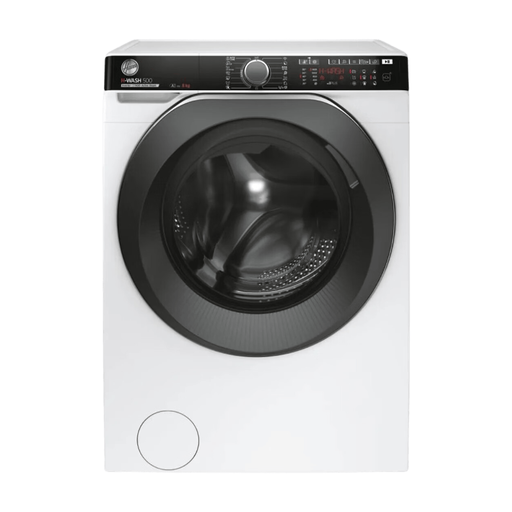
HWP 48AMBC7/1-S, 8 kg
An 8 kg front-loader to compare if that capacity suits your usual sorted load.
The product information lists 1400 RPM and energy class A. According to the product description, Auto Care adjusts the settings to the fabric type and load.
View at Joybuy
 No image available
Midea MF110W80BA10/W-NL, 8 kg
Worth a look if you’re after an 8 kg machine with programme information for cotton and mixed loads.
The product name lists 1400 RPM and energy class A-10%. The description mentions 16 programmes, including cotton and Mixed Load, plus an extra-rinse option.
View at Joybuy
 No image available
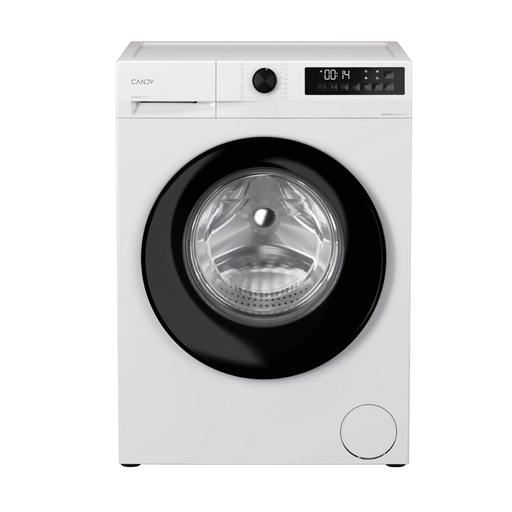
Candy GD 49B8-S, 9 kg
A 9 kg model to compare if your usual load needs more room than a smaller drum can offer.
The product information lists 1351 RPM, energy class A and 16 wash programmes. The description mentions quick programmes from 14 minutes.
View at Joybuy
 No image available
Candy GD 48B9-S, 8 kg
An 8 kg model to compare with your usual weekly wash when weighing up capacity and programmes for different loads.
The product information lists 1351 RPM, energy class A, 16 wash programmes and a steam function.
View at Joybuy
Frequently asked questions
Can I wash beach towels with my mixed weekly load?
Only if the care labels and the programme you choose are compatible. Also check the mixed-load programme’s lower maximum capacity; the Consumers’ Association says this is generally half the rated capacity.
Will Eco 40-60 wash my beach towels at 60°C?
No, the programme name does not guarantee a wash temperature of 60°C. Eco 40-60 is designed for normally soiled cotton whose care label permits washing at 40 or 60°C; the actual temperature varies from machine to machine.
Does a new washing machine sold in the Netherlands need an energy label?
Yes, washing machines sold in the Netherlands must have an energy label. The Dutch government explains the labelling requirement for this type of appliance, and the European Commission states that the current EU scale for washing machines runs from A to G. Check the label for the exact model.
Who can help if my new washing machine turns out to be faulty?
In the Netherlands, you should contact the retailer. According to the Dutch government, they must offer a solution if a product is faulty, such as a repair or replacement; a separate manufacturer’s warranty does not remove that responsibility.
Can I have my old washing machine taken away when I buy a new one?
When a private customer buys a similar new appliance, the old-for-new scheme applies. According to the Dutch government, the shop must take the old appliance away free of charge; the scheme also applies to online purchases and deliveries, with an alternative arrangement if removal is not possible at the time.


