
Vandaag of morgen in huis

Kwaliteit gegarandeerd

Welkomstaanbiedingen ontgrendelen: GRATIS bezorging | Tot 80% korting | Gratis 30 dagen JoyPlus-proefperiode
Download de app
Choosing a bottle of washing detergent and fabric softener seems straightforward, until you need to consider colour, dosage, fragrance, skin sensitivity and the number of washes. A low price per bottle tells you little if you need to use a large amount or buy a product that is not suitable for your clothes.
In this buying guide, you will discover which features really make a difference, which marketing claims should be treated with a degree of caution and which options suit different UK households.
A pack labelled “42 washes” sounds like good value, but the actual number depends on the recommended dosage, water hardness and how full your washing machine is. Heavily soiled laundry or hard water may require a higher dosage. So do not just compare bottle sizes: also look at the dosage per standard wash and the price per wash.
A fabric softener with a long-lasting fragrance can be appealing if you like clothes that smell fresh. However, fragrance says nothing about how effectively the detergent cleans. Fabric softener is also added during the final rinse and does not replace detergent.
Brands may use their own fragrance or care claims, but always check the product description and label. According to Robijn’s own information, for example, Beautiful Mystery offers a fragrance experience of up to 100 days; this is a brand claim and is not a guaranteed experience for every user.
A universal liquid detergent can be convenient for cotton, synthetics and mixed fabrics. Wool, silk and other delicate materials often require a specialist product. So always check the garment’s care label. Detergent for coloured laundry is not automatically suitable for whites either: detergents for white laundry may contain optical brighteners, for example.
Choose a product that suits the laundry you wash most often:
A concentrated product can mean less packaging volume per wash, but only if you measure it accurately. Use the measuring cap or dosing guidance on the packaging and adjust the amount according to:
Using too much detergent can leave residue on fabrics. Too much fabric softener can reduce the absorbency of towels. For this reason, do not automatically use fabric softener with microfibre cloths, sportswear or clothing where the care label advises against it.
If fragrance is important to you, you can choose options such as Robijn fabric softener, Dreft fabric softener, g'woon fabric softener, At Home fabric softener or Lenor. If you have sensitive skin, pay particular attention to fragrances and allergens listed on the label. A description such as hypoallergenic fabric softener or fabric softener for sensitive skin is based on the brand’s product information and does not guarantee that irritation will not occur.
For baby clothes, At Home Wash Fabric Softener Sensitive Sweet Baby is, according to the description, intended for baby clothes and sensitive skin. The bottle is suitable for approximately 24 washes and contains 50% recycled plastic. Wash new baby clothes according to the care label before wearing them, and stop using the product if a skin reaction occurs.
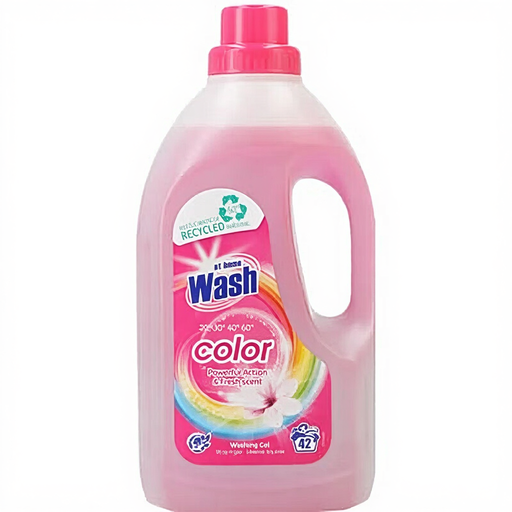
Why it suits this profile: A straightforward choice for households that mainly wash coloured clothes and want to estimate the number of washes in advance.
The product information states 1.5 litres, up to 42 washes, a dosage of 35 ml for a standard load and use from 20 °C.
Liquid detergent for coloured laundry, with a measuring cap and pouring spout; suitable for machine and hand washing.
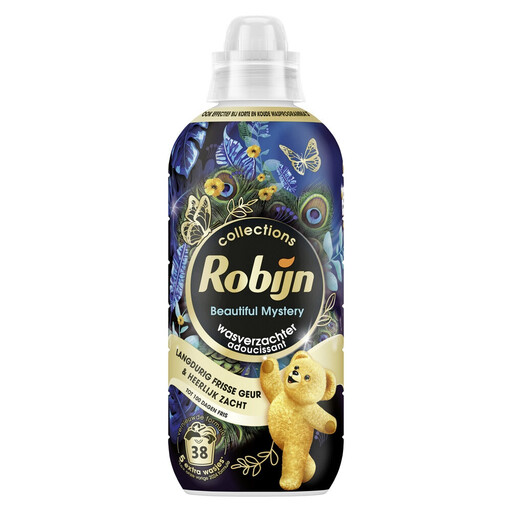
Why it suits this profile: Ideal for anyone who values concentrated fabric softener and a distinctive fragrance for clothes and bedding.
According to the product information, the updated dosage is 20 ml rather than 25 ml. This makes it easier to calculate your usage more accurately.
Ultra-concentrated formula; according to the product description, suitable for 38 washes and intended for dark clothing.
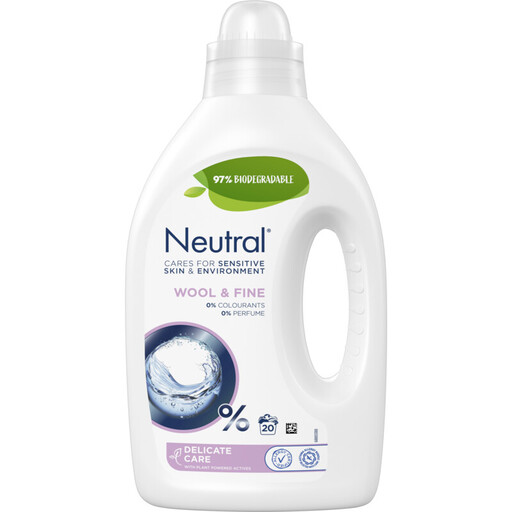
Why it suits this profile: A targeted choice for households with wool, delicate fabrics or a preference for a product without perfume or colouring.
The product specifications state 0% colouring and 0% perfume. Still, check the current label and your clothing’s care label.
Liquid detergent for wool and delicate laundry; according to the product information, hypoallergenic and dermatologically tested.
Only put fabric softener in the washing machine’s designated compartment. Do not pour it directly onto fabrics. Pay attention to the stated dosage: a bottle labelled “30 washes of fabric softener” may run out more quickly when washing larger loads.
For a household with baby clothes or sensitive skin, fabric softener for baby clothes may seem appealing. When choosing one, look at the ingredients, fragrance information and safety details. A product labelled hypoallergenic is not a medical guarantee. If skin problems persist, it is advisable to stop using the product and seek appropriate advice.
Keep washing detergent and fabric softener out of the reach of children. Some products may cause eye irritation or be harmful to aquatic organisms. Always follow the warnings and dosing instructions on the packaging.
We have put together a complete, up-to-date list of products that fully meet these strict selection criteria and the applicable European safety regulations.
That depends on the product. According to the product information, some variants are suitable from 20 °C, while others are designed for a wider temperature range. The garment’s care label remains the key reference. Also check whether the detergent is suitable for wool, silk or other delicate fabrics.
Check the packaging for shelf-life information. Store the bottle tightly closed in a cool, dry place and keep it out of direct sunlight. Use the recommended dosage; otherwise, an opened bottle may remain unused for longer than necessary.
No. Fabric softener is optional and is mainly intended to make fabrics feel softer and add fragrance. With towels, microfibre and sportswear, it can affect the properties of the fibres. Always check the care label and the manufacturer’s recommendations.
