
Someone with space for just one appliance
You want to be able to wash and dry napkins, but don’t have room for a separate tumble dryer. The appliance’s dimensions and lower drying capacity will determine whether it can handle your laundry load.


A washer-dryer is a good choice if you want to machine-dry your laundry in the same space as you wash it. If you can hang your napkins out to dry, that could be an alternative that involves less machine drying. The Consumentenbond points out that washer-dryers can have a lower drying capacity than washing capacity, and that drying uses extra energy and sometimes water. So check the care label, the space available and the model’s drying limit.
You want to be able to wash and dry napkins, but don’t have room for a separate tumble dryer. The appliance’s dimensions and lower drying capacity will determine whether it can handle your laundry load.
You want to follow the care label and avoid taking table linen out of the dryer badly creased. The Consumentenbond recommends checking the textile care instructions before choosing a programme.
You often machine-dry your laundry and want to compare the energy use of the complete wash-and-dry cycle, not just the washing figures.
A good fit if: you need one appliance and want to machine-dry your napkins, provided the care label allows it.
The trade-off: the lower drying capacity may mean unloading part-way through or running extra drying cycles. Compare the complete cycle.
A good fit if: you often machine-dry your laundry and the specific model fits the space available.
The trade-off: check the appliance’s dimensions and the energy label for the complete wash-and-dry cycle. A heat pump alone doesn’t prove that you’ll save money with your usage.
A good fit if: the care label and your drying space allow it, and you don’t need to machine-dry your laundry.
The trade-off: you’ll need the time and space to hang your linen out to dry. Milieu Centraal says line drying is the most environmentally friendly way to dry laundry.
| What to consider | What to look for | Who should consider this? |
|---|---|---|
| Space for installation | Measure the dimensions of the exact model and compare them with the space available. | If I only have room for one appliance, I want to know whether it will fit and handle both tasks. Around 33% of consumers put available installation space first. |
| Napkin care | Follow the care label and check separately whether tumble-drying is allowed. | I want to tackle stains without using a treatment that isn’t permitted for my table linen. Around 27% of consumers put textile care first. |
| Continuous drying load | Compare the washing and drying capacities, and check the conditions for the non-stop programme. | If I don’t want to unload the machine after washing, the load needs to be within the drying limit. Around 20% of consumers prioritise a continuous wash-and-dry cycle. |
| Energy use when drying | Compare figures for the complete wash-and-dry cycle and consider how often you machine-dry your laundry. | I want to know what repeated machine drying means for my energy and water use. Around 20% of consumers put running costs first. |
In washer-dryers tested by the Consumentenbond, Beko and Bosch models have a lower drying capacity than washing capacity. So a full wash load won’t necessarily fit into a single continuous drying cycle.
Compare the load you expect to wash with the drying limit and the conditions for the non-stop programme.
A larger load may mean extra drying cycles or unloading part-way through.
The figures for washing and for the complete wash-and-dry cycle are different. Looking only at the washing figures won’t give you the full picture for a washer-dryer.
Compare models using the complete wash-and-dry cycle, and factor in how often you expect to tumble-dry.
Depth varies between models, and your installation space must meet the installation requirements.
Measure the space available and check the full dimensions and installation manual for the exact model.
The BM5DFT4841A is a freestanding condenser washer-dryer worth comparing if the depth of your installation space is important.
The WNA13400NL is a useful point of comparison if you’re considering a washer-dryer with an 8 kg washing capacity and a 5 kg drying capacity.
The LWR9506BN4 is a heat pump option for anyone who often tumble-dries and has enough space for installation.
The W4X1085NWB is an alternative with an 8 kg washing capacity and a 5 kg drying capacity.
This selection includes portable appliances for small textile loads and washer-dryers. For each model, check whether your napkins are suitable according to the care label and the manual.
 No image available
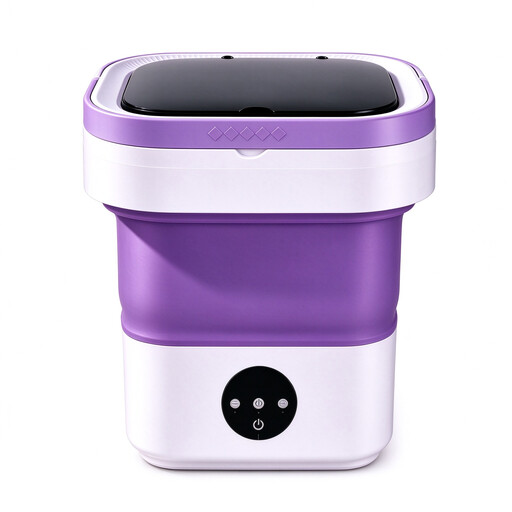
Could suit very small textile loads if a portable, foldable appliance works for the space you have.
The product information limits the dryer’s use to clothing and small textiles. Check whether your napkins are suitable according to the care label and manual. Don’t cover the air outlet, and be aware that the air gets hot.
 No image available
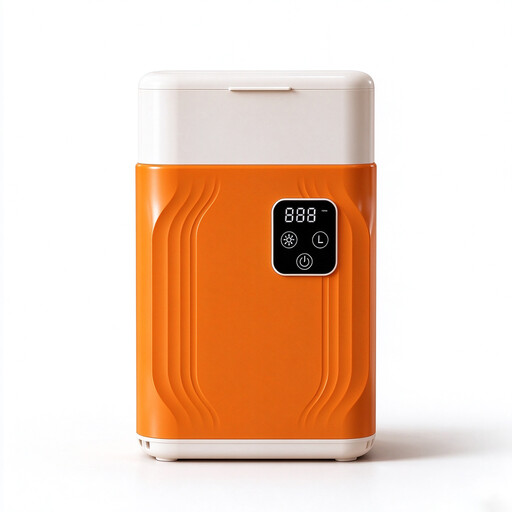
A portable option for small textile loads if a compact appliance is important to you.
The product information limits the dryer’s use to clothing and small textiles. Check whether your napkins are suitable according to the care label and manual. Don’t cover the air outlet, and be aware that the air gets hot.
 No image available
A washer-dryer for anyone who wants to wash and machine-dry their laundry using a single appliance.
9 kg washing capacity and 5 kg drying capacity; 1400 rpm; white. The maximum washing load exceeds the drying capacity.
 No image available
A washer-dryer where you’ll need to size your drying load to suit its drying capacity.
9 kg washing capacity and 5 kg drying capacity; 1400 rpm; steam. The maximum washing load exceeds the drying capacity.
 No image available
A washer-dryer with a drying capacity below its maximum washing capacity.
8 kg washing capacity and 6 kg drying capacity; 1400 rpm; Wi-Fi and steam. The maximum washing load exceeds the drying capacity.
No. Choose the washing temperature and programme according to the care label, and check separately whether tumble-drying is allowed. The Consumentenbond mentions pre-treating as an option for light stains; a machine function doesn’t guarantee that every food stain will disappear.
Measure the space against the dimensions of the exact model and follow the installation manual. The Consumentenbond recommends, among other things, a stable, level surface, removing the transit bolts, correctly connecting the water supply and drainage, levelling the appliance and using an earthed socket.
Follow the model-specific manual for cleaning and maintenance. The Consumentenbond recommends using the right detergent and cleaning the appliance regularly. Milieu Centraal suggests running a machine wash at 60 °C about once a month to help prevent residue and smells. Only use this temperature for your napkins if their care label allows it.
The energy label gives energy information for different operating modes. Compare the figures for the complete wash-and-dry cycle with those for washing alone. Your actual running costs also depend on how often you tumble-dry and on your energy and water tariffs.
Yes. According to the Dutch government, there is no fixed statutory warranty period in the Netherlands: you’re entitled to a product that works properly for as long as you can reasonably expect. If there’s a fault, contact the seller. A manufacturer’s warranty doesn’t replace this right.