What should you look for when buying?
First decide whether you really want to machine-dry your pillowcases. Then choose a model based on the installation space, connections, capacity and energy and water use that suit your needs.
| What to consider |
What should you check? |
Who should give this more weight? |
| Installation, vibration and noise |
Measure the installation space and the route for getting the appliance in. Compare spin-noise figures on the same label basis and check that the floor is level and sturdy. |
If I live in a noisy upstairs flat, I want to know whether the appliance can be installed properly and take account of noise downstairs. Around 31% of consumers put installation and noise first. |
| Water protection and connections |
Check what protection the exact model has and whether the water supply and drainage connections are suitable. |
If the appliance is being installed above other homes, I want to reduce the risk of damage from leaks and make sure the connections are set up carefully. Around 25% of consumers give water protection and connections top priority. |
| Washing and drying pillowcases |
Read the pillowcases’ care labels and compare the washing and drying capacities separately. Also check how long the complete cycle takes. |
If I mainly wash pillowcases, I want to choose a suitable programme and know whether I can dry them in the same cycle. Around 25% of consumers put pillowcase care first. |
| Energy and water use |
Compare energy and water use on the same EU label basis, both for washing alone and for the full cycle, including water consumption and programme duration. |
If I use the dryer function often, I want to factor in that cycle’s energy and water use. If I rarely dry laundry, the figures for washing alone are more relevant. Around 19% of consumers put ongoing running costs first. |
Joybuy product picks
These Joybuy picks range from compact appliances for small loads to freestanding washer-dryers. Compare the listed version with the space you have, the amount of laundry you wash and how often you need to dry it.
 No image available
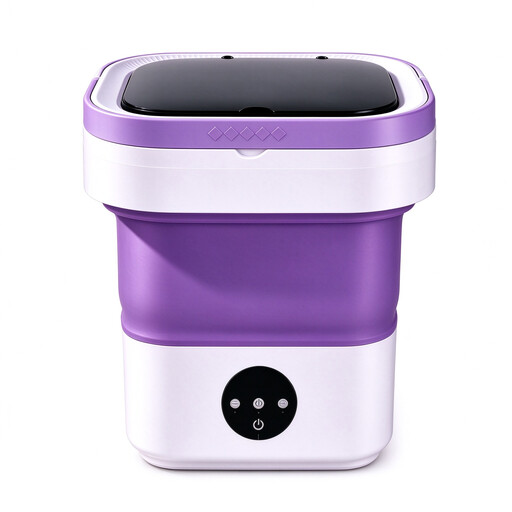
Foldable 3-in-1 mini washing machine, 12 L, ZSZDXYJ
The product name describes a portable mini washing machine with a drying function for small loads.
Listed capacity: 12 L.
Keep the air outlet clear and don’t dry textiles treated with flammable substances.
Joybuy
 No image available
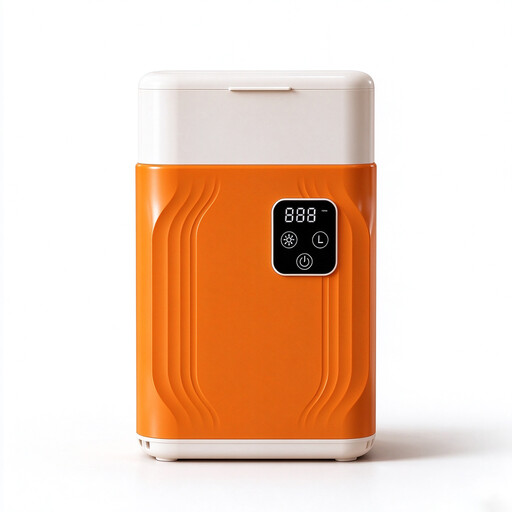
Foldable 3-in-1 mini washing machine, HB-222
The product name describes a portable mini washing machine with a drying function. The product information says it is designed for small textiles.
Keep the air outlet clear and don’t leave the appliance running unattended.
Joybuy
 No image available
Midea MF205D80WB/W-NL freestanding washer-dryer
This version is designed for anyone who wants to combine washing and optional drying in one appliance.
Capacity: 8 kg washing and 6 kg drying.
Listed features: 1400 rpm, WiFi and a steam function. Keep the load within the drying capacity for a continuous cycle.
Joybuy
 No image available
Samsung WD90DB7B85GWU3 freestanding washer-dryer
A freestanding washer-dryer for anyone who wants to wash and optionally dry laundry in one appliance.
Capacity: 9 kg washing and 6 kg drying.
The product name lists AI Control and Ecobubble. Keep the drying capacity in mind for a continuous cycle.
Joybuy
 No image available
Hisense WD5I8043BWF freestanding washer-dryer
This freestanding washer-dryer lets you wash and optionally dry laundry in one appliance.
Capacity: 8 kg washing and 6 kg drying.
The product name lists an inverter motor. Keep the load within the drying capacity for a continuous cycle.
Joybuy
Frequently asked questions
How do you use a washer-dryer for pillowcases?
First read the care label on the specific pillowcase and choose a suitable wash programme. For a continuous cycle, the load must stay within the lower drying capacity. Otherwise, you can dry the washing in batches or leave the pillowcases to dry. The Consumers’ Association gives an IKEA cotton pillowcase as an example of one that, according to its care label, can be washed at up to 60 °C and tumble-dried. This doesn’t automatically apply to other pillowcases.
What should you arrange before installing a washer-dryer on an upper floor?
Check the stairs and access routes, make sure you have a level, sturdy place for the appliance, and check the water supply, drainage and availability of an earthed socket. Follow the installation instructions, including removing the transit bolts before use and levelling the appliance. Ask in advance what delivery and installation on your floor involve.
How can you account for maintenance and running costs?
Follow the model manual for maintenance, measure detergent according to the packaging and compare the label figures for washing alone with those for the complete cycle. Your own energy and water use will also depend on the number of cycles and your energy and water tariffs.
Does a two-year manufacturer’s guarantee in the Netherlands automatically mean your rights have ended?
No. ACM ConsuWijzer explains that statutory rights exist alongside a manufacturer’s or retailer’s guarantee. If a product used normally doesn’t meet what you could reasonably expect, the retailer must resolve the issue under the applicable conditions. There is no single fixed statutory guarantee period for every washer-dryer.


