
Walker with small, muddy loads
You regularly wash a small load of socks after a walk and want to choose a programme that suits the dirt and the care label. A short programme on its own doesn’t prove that it will clean heavily muddied socks properly.


A washer-dryer can be handy for small loads if you’re short on space, but choose a programme based on the fabric, care label and programme load. Woolmark recommends a wool programme for machine-washable merino wool socks, or a cold or delicate wash if one isn’t available. Tumble drying is only suitable if the sock label allows it. Also compare the separate washing and drying capacities and the figures for the full wash-and-dry cycle, as advised by the Consumentenbond and the European Commission.
You regularly wash a small load of socks after a walk and want to choose a programme that suits the dirt and the care label. A short programme on its own doesn’t prove that it will clean heavily muddied socks properly.
You put the washing and drying instructions on the care label ahead of the convenience of a continuous cycle. For merino wool socks that are machine washable, Woolmark recommends a wool programme or, if one isn’t available, a cold or delicate wash.
You may have limited space for two appliances, but want to take the figures for a full wash-and-dry cycle and the lower drying capacity into account when choosing.
Start with the care label and the programme instructions for the socks you’re washing. Then compare short programmes, drying options and the space you have available.
Suitable when: you’re short on space and want to dry small loads straight away, provided the care label allows them to be machine washed and dried.
Trade-off: a short cycle doesn’t guarantee the desired results for every type of dirt or fabric.
Suitable when: you often tumble dry and want to give the figures for the full wash-and-dry cycle careful consideration.
Trade-off: also compare the purchase price, external dimensions and drying capacity. A dryer programme isn’t suitable if the sock label says not to tumble dry.
Suitable when: your sock label says not to tumble dry, or you don’t usually need a tumble dryer.
Trade-off: you’ll need time and space to dry your washing, and you can’t use one continuous wash-and-dry programme.
Suitable when: you have room for two appliances and regularly tumble dry larger loads too.
Trade-off: two appliances take up more space and you’ll need to transfer the wet washing.
| What to consider | What to look for | Who it matters to |
|---|---|---|
| Suitable washing programme | Check the fabric, care label, programme load and permitted fabric types. | If I’m washing muddy socks, I want to choose a programme suited to the fabric and the dirt; around 29% of consumers prioritise a suitable wash for dirty socks. |
| Small loads | Check the maximum load and permitted fabrics for the specific short programme. | If I often wash just a few socks or items of clothing, the time taken matters; around 23% of consumers prioritise getting small loads done quickly. |
| Delicate fabrics | Check the washing and drying symbols and whether you can set each programme separately. | If I’m washing wool or other delicate socks, I put the fabric care instructions ahead of the convenience of one continuous cycle; around 18% of consumers prioritise this protection. |
| Energy use when drying | Compare the figures for washing and for the full wash-and-dry cycle on the EU energy label. | If you often tumble dry, you’ll want to factor in the energy use for the whole cycle; around 18% of consumers prioritise this consideration. |
| Positioning and connections | Measure the space where you plan to put the appliance and check the required connections and installation conditions. | If my space or connections limit my options, the appliance needs to fit and be connected safely; around 12% of consumers prioritise positioning and connections. |
A short programme doesn’t prove that it will treat every load or fabric type suitably.
Choose based on the fabric, care label, dirt and programme requirements.
The permitted washing load may be larger than the load you can wash and dry in succession in the same appliance. The Consumentenbond recommends taking both capacities into account.
Compare both capacities and check the limit for the programme you actually want to use.
If a load is too large for the drying capacity, you’ll need to split it or dry some of it another way.
The EU energy label provides separate figures for washing and for the full wash-and-dry cycle.
If you use the drying function, compare the same type of cycle and its corresponding capacity.
The WNA13400EU may be worth considering if you want to compare a small-load programme and a sports programme.
The LWR9506BN4 is a heat pump model to consider if you often tumble dry.
The WN54G2A7NL may suit anyone looking into short combined programmes and automatic dosing.
The WTI370 WPM PWash is a model to compare if you want to weigh up its QuickPower feature against your needs and available space.
The products below are options for small loads, from washer-dryers to compact, portable washing and drying appliances. Always check the programme requirements and the instructions for your socks before use.
 No image available
An option if you’re looking for a freestanding washer-dryer with a wool programme and a quick wash cycle.
Stated capacity: 9 kg for washing and 5 kg for drying. The product information lists 16 wash programmes, including wool, and a 14-minute quick wash cycle.
 No image available
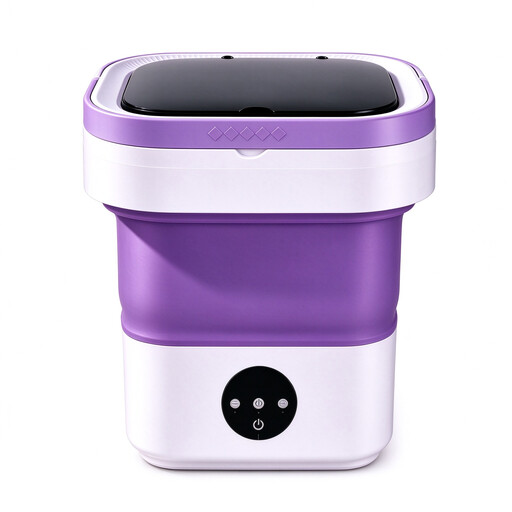
A compact, portable option for small loads; the product information lists socks and small loads among its uses.
The product information lists a 12-litre capacity and warns that the drying outlet gets hot. Don’t cover the outlet, avoid direct contact and don’t leave the appliance unattended while it’s in use. Don’t dry items containing flammable substances such as petrol or alcohol.
 No image available
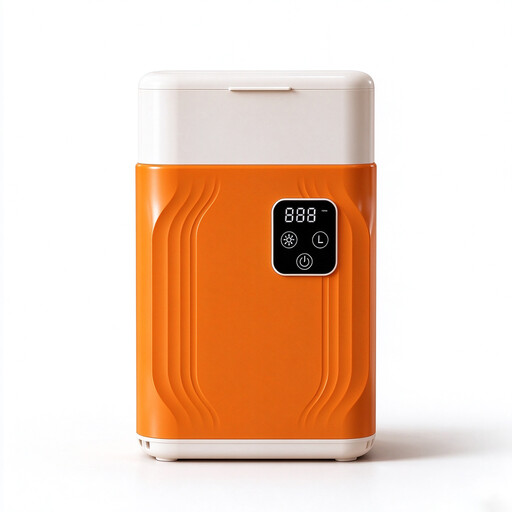
A portable option for small textile items; the product information lists socks as a possible use.
The title mentions a heating element and timer for the drying appliance. The product information warns that the outlet gets hot: don’t block the ventilation, avoid touching it and keep the appliance away from flammable materials. Don’t dry items containing flammable substances such as petrol or alcohol.
 No image available
An option if you want to compare a washer-dryer with a wool programme for socks whose care label allows machine washing.
Stated capacity: 8 kg for washing and 6 kg for drying. The product information lists 14 programmes, including wool and synthetics, and 1400 rpm.
 No image available
An option if you want to compare a short combined cycle or a sports programme for socks whose care label allows this treatment.
Bosch lists an 8 kg washing capacity and a 5 kg wash-and-dry capacity. The product information mentions Wash & Dry 60' and a sports programme for synthetics and other fabrics.
Only if the care label allows both treatments. For merino wool socks that are machine washable, Woolmark recommends a wool programme or, if one isn’t available, a cold or delicate wash. A symbol that prohibits tumble drying means you mustn’t machine dry them.
Only if the load is within the drying capacity and programme load limits. For example, the Bosch WNA13400EU lists 8 kg for washing only and 5 kg for washing and drying.
Check the dimensions and connections, and follow the model’s instructions. The Consumentenbond recommends, among other things, a stable, level surface, removing the transit bolts, connecting the water supply and drain, and using an earthed socket.
If you use the drying function, compare the figures for the full wash-and-dry cycle too. The European Commission states that household washer-dryers on the EU market are subject to energy labelling rules; compare the same type of cycle and capacity.
No. According to the Dutch government, there is no fixed statutory guarantee period of exactly two years in the Netherlands. The retailer is your point of contact, and what you can reasonably expect from the product is what matters.