
A utility room with space for one appliance
You want to wash and dry flannels without setting aside room for two appliances. Measure the appliance, allowing for connections and enough space to open the door.


A washer-dryer is worth considering if you only have room for one appliance in your utility room and want to tumble-dry your flannels after washing them. If you can air-dry them or have room for two separate appliances, compare those options too. With a washer-dryer, pay particular attention to its smaller drying capacity and the energy use of a complete wash-and-dry cycle.
You want to wash and dry flannels without setting aside room for two appliances. Measure the appliance, allowing for connections and enough space to open the door.
You want to dry your flannels in the same appliance after washing them. The maximum drying load determines how much laundry can go through in one uninterrupted cycle.
You expect to use the drying function often, so you want to compare the energy use of a complete wash-and-dry cycle with other drying options.
Best if: you have room for one appliance and want to tumble-dry your flannels after washing them.
Consider: match the load for an uninterrupted cycle to the drying capacity; a complete cycle can take a long time in a washer-dryer.
Best if: you can leave your flannels to dry between uses and don’t need a tumble-drying function.
Consider: you’ll need space to dry your laundry and will have to hang it up yourself.
Best if: you have room for two appliances and often tumble-dry your laundry. Milieu Centraal recommends separate appliances because their combined energy use is lower than that of a washer-dryer.
Consider: you’ll need more space and will have to transfer the laundry to the dryer.
Start by checking how much space you have and whether you want to tumble-dry your flannels. Then compare the drying load and the energy use of a complete cycle.
The percentages below give a general indication of the main priorities for consumers who want to wash flannels in a utility room.
| What to consider | What to look for when buying | Who is this important for? |
|---|---|---|
| Space in the utility room | Measure the height, width and depth, the route to the space, and the room needed for hoses and an open door. Check the dimensions of the exact model; Bosch lists the WNA13400NL as 848 × 598 × 590 mm. | If I only have space for one appliance, I want to know whether it will really fit with the connections and room to open the door. Around 40% of consumers put space at the top of their list. |
| Drying load | Compare the washing and drying capacity in kilograms for the exact model. The Consumers’ Association points out that the drying load may be smaller; the Bosch WNA13400NL can wash 8 kg but wash and dry 5 kg. | I want to dry my flannels after washing them without unloading the machine in between. Around 30% of consumers prioritise being able to wash and dry in one uninterrupted cycle. |
| Laundry care | Follow the care label and programme instructions. Milieu Centraal says 30 °C is usually enough for normally soiled laundry and describes specific situations where 60 °C may be advisable; this isn’t a general requirement for all flannels. | If my flannels need particular care, I want a programme that’s suitable for the fabric and the circumstances. Around 20% of consumers prioritise suitable cleaning. |
| Energy use of a complete cycle | Check the model-specific product information for the energy use of both washing and drying in the cycle you plan to use. The European Commission uses an A to G energy label scale for household washer-dryers; a label for washing alone doesn’t automatically tell you about the complete wash-and-dry cycle. | I expect to use the drying function often, so I want to take the energy use of the entire cycle into account. Around 10% of consumers prioritise energy use during operation. |
The maximum washing load isn’t necessarily the same as the load you can dry in one uninterrupted cycle. For example, a model with an 8 kg washing capacity and a 5 kg drying capacity has a lower drying limit.
Think about how many flannels you usually want to dry at once, then check the separate drying capacity of the exact model.
That label doesn’t automatically show the energy use of a complete wash-and-dry cycle. This matters particularly if you use the drying function often.
Compare the same intended cycle and usage information in the product details for each model. If you have the space, consider a washing line or separate heat pump tumble dryer too.
The full height and depth, the connections and the route to the utility room all affect whether an appliance can be installed.
Measure the space and access route, then check the installation instructions for the exact model.
The WNA13400NL is worth comparing if you’re weighing up an 8 kg washing capacity, a 5 kg drying capacity and limited space.
The F4DR3096N3W is an option to compare if you’re considering a 9 kg washing capacity and a 6 kg drying capacity.
The LWR9506BN4 is a heat pump model to consider if you often tumble-dry your laundry.
The BM5DFT4841A is an 8/5 kg model to compare for capacity and installation dimensions.
The WD90DB7B85GWU3 is a 9/6 kg option to compare for space, capacity and controls.
Joybuy products for flannels and other small fabric loads, alongside washer-dryers for combined wash-and-dry cycles.
 No image available
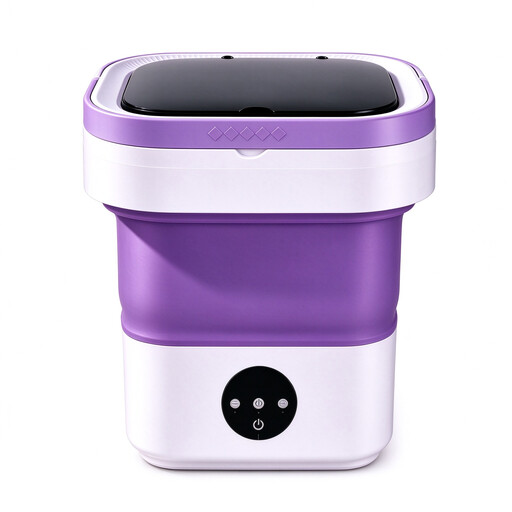
The product description says it can wash and dry small fabric loads, including underwear and socks.
The product title specifies a 12 L capacity and a foldable, portable design. The description warns that the air outlet gets hot: don’t cover it, keep flammable materials away and don’t leave the appliance running unattended.
 No image available
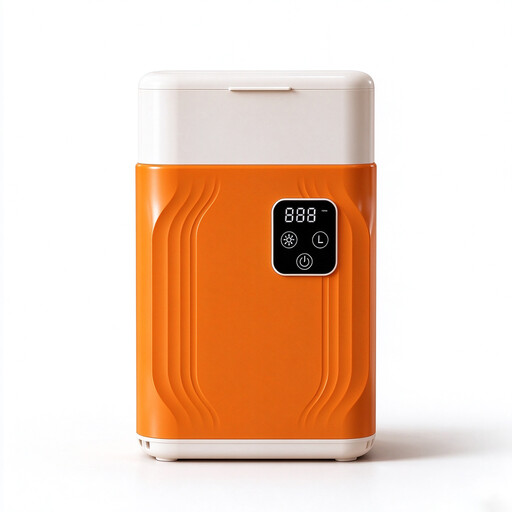
The product description says it can wash and dry small loads, including underwear, socks and other small items of fabric.
The title and description mention a foldable, portable design. According to the product description, the air outlet gets hot: don’t cover it, keep flammable materials away and don’t leave the appliance running unattended.
 No image available
A freestanding washer-dryer for anyone who wants to combine washing and tumble-drying in one appliance.
The product information lists a 9 kg washing capacity, a 5 kg drying capacity, 16 washing programmes and two drying programmes. The energy labels listed are A for washing and D for washing and drying.
 No image available
A washer-dryer for anyone who wants to wash laundry and then tumble-dry it in one appliance.
The product title lists a spin speed of 1400 rpm and the energy label notation A-20%/D. The stated drying capacity of 5 kg is lower than the 9 kg washing capacity.
 No image available
A washer-dryer for anyone who wants to combine washing and drying in one appliance and compare programmes for different types of fabric.
The product information lists 14 programmes, including Eco 40–60 °C, cotton, wool and synthetics, as well as a steam function. The stated capacity is 8 kg for washing and 6 kg for drying.
No, that isn’t a general rule for normally soiled laundry. Follow the care label and take the circumstances into account. Milieu Centraal says lower temperatures are usually enough for everyday laundry and describes specific situations where 60 °C may be advisable.
Compare the dimensions of the exact model with the space available and the route to it. Follow the model’s installation and maintenance instructions, and make sure the appliance can release heat. The Fire Service highlights the importance of heat dissipation in electrical appliances.
Check the information for washing alone separately from the information for washing and drying, and compare the cycle you plan to use. The European Commission uses the A to G label scale for household washer-dryers; check the details for the specific model.
Report the fault to the retailer. According to the Dutch Government, you’re entitled to a product that works properly, but there’s no fixed statutory guarantee period in the Netherlands. A manufacturer’s guarantee doesn’t replace this right.