
Carer of printed club shirts
Wants to wash shirts without putting unnecessary strain on names, numbers or logos. Nike Netherlands recommends checking each shirt’s care label and turning the shirt inside out.


Choose a washer-dryer if you have space for one appliance and also want to dry clothes whose care label allows tumble drying. If your club shirts must not go in the tumble dryer, the drying function won’t solve your lack of space: use a permitted wash programme and leave room to hang them up. Compare the drying capacity separately from the washing capacity, and check the energy use for the full wash-and-dry cycle, not just for washing; Milieu Centraal and the Consumentenbond highlight these trade-offs.
Wants to wash shirts without putting unnecessary strain on names, numbers or logos. Nike Netherlands recommends checking each shirt’s care label and turning the shirt inside out.
Can’t fit a separate washing machine and tumble dryer, so compares the available space with the dimensions and connection requirements of a washer-dryer.
Washes larger loads after sports activities and takes into account the difference between how much can be washed at once and how much will fit in the tumble dryer afterwards. The Consumentenbond recommends checking washing and drying capacity separately.
First check whether the shirts can go in the tumble dryer; then compare the space available, the drying load and the energy use of the cycles you’ll actually use.
Choose this if: you can fit one appliance, but the care label prohibits tumble drying or you want to take extra care of the print.
Bear in mind: a washer-dryer won’t free up space to dry the shirts after washing.
Choose this if: you don’t have room for two appliances and the clothes’ care labels allow tumble drying.
Bear in mind: keep the combined cycle within the lower drying capacity; Milieu Centraal notes that a washer-dryer can use more energy than washing and drying separately.
Choose this if: you have room and the right connections for two appliances, and regularly dry clothes whose care labels allow tumble drying.
Bear in mind: two appliances need more space; compare the energy use of the specific models and cycles.
| What to consider | What should you check? | Who is this important for? |
|---|---|---|
| Care label and print | Check the washing and drying instructions for each shirt, and see which temperature and spin settings are allowed. | If I want to keep names, numbers and logos looking good, I’ll follow the care label and only use the tumble dryer if permitted. Around 36% of consumers put preserving their shirts first. |
| Space and installation | Measure the space for the appliance and check the connections, flooring and room for hoses. | If I only have room for one appliance, I want to know whether the washer-dryer will fit and can be connected properly. Around 29% of consumers prioritise having limited space for appliances. |
| Drying load and cycle time | Compare the stated drying capacity in kg with your usual load, and check how long the cycle you want takes. | If I wash several kits, I want to know how many will fit in one combined cycle and how long it takes. Around 21% of consumers focus mainly on load size and cycle time. |
| Energy use when drying | Compare information for the same type of cycle on the EU energy label, and consider how often you can actually tumble-dry your clothes. | If I regularly dry clothes that are suitable for tumble drying, I want to take the energy use of the full cycle into account, not just the washing part. Around 14% of consumers put running costs first. |
Washable doesn’t automatically mean tumble-dryer safe. A sports programme on the machine doesn’t change the shirt’s washing and drying instructions.
Before buying and using an appliance, check the labels on the shirts you actually wash. Only count on the drying function for clothes whose care labels allow it.
The maximum drying load may be smaller than the washing load. This means a load that fits in the washing machine may not fit in a single drying cycle straight afterwards.
Compare the stated washing and drying capacities in kg, and stick to the drying limit when using a combined cycle.
The energy use for a wash cycle alone doesn’t tell you how much a combined wash-and-dry cycle will use. The European Commission says energy labels include information such as energy use per 100 cycles and water use per cycle.
Compare the same type of cycle on the EU label, and check the figures for both washing and washing/drying.
Bosch Netherlands lists a washing capacity of 8 kg and a wash-and-dry capacity of up to 5 kg for the WNA13401NL.
LG Netherlands lists a washing capacity of 9 kg and a drying capacity of 6 kg for the F4DR3096N3W.
Samsung Netherlands lists a washing capacity of 9 kg and a drying capacity of 6 kg for the WD90HG6U94BEU3.
Beko Netherlands lists washing and drying capacities of 8 kg and 5 kg respectively for the freestanding BM5DFT4841A.
AEG Netherlands lists the LWR739X64 as a condenser washer-dryer with a washing capacity of 9 kg and a drying capacity of 5 kg.
These Joybuy products are washer-dryers for anyone looking for one appliance. For club shirts, the care label remains the deciding factor: only use the drying function if tumble drying is permitted.
 No image available
Suitable if you want one appliance and only want to wash shirts according to their care labels; the listed sports programme doesn’t automatically mean tumble drying is permitted.
The stated capacity is 8 kg for washing and 5 kg for drying. The product information lists a sports programme for synthetic fabrics, microfibre and fleece.
 No image available
A good fit if you’re looking for one appliance and want to match the drying load to clothes whose care labels allow tumble drying.
The product information lists a washing capacity of 9 kg and a drying capacity of 6 kg, plus a programme that washes and dries up to 1 kg in 60 minutes. This option is designed for a small load.
 No image available
An option to compare if space for an appliance is limited and you’re looking for a single washer-dryer.
The stated capacity is 8 kg for washing and 6 kg for drying. The product information lists a depth of 47 cm; check the full installation space required.
 No image available
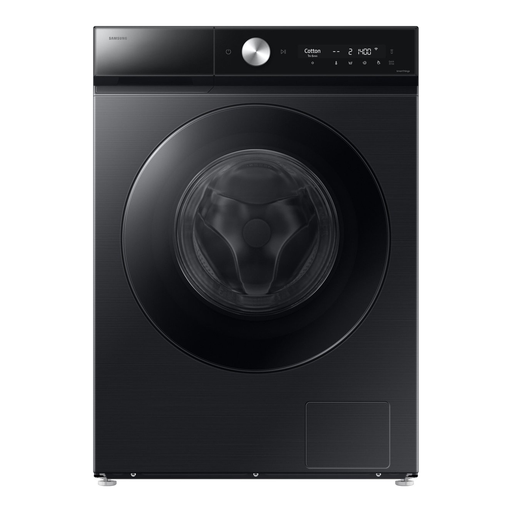
Worth comparing if you’re looking for a larger washing capacity but will keep the drying limit in mind when running a combined cycle.
The product information lists 9 kg for washing and 6 kg for drying, dimensions of 84,5 × 59,5 × 55 cm and a spin speed of 1400 RPM.
 No image available
An option to compare if you want to wash a larger load and can factor the lower drying capacity into your plans.
The product information lists a washing capacity of 11 kg, a drying capacity of 6 kg and a heat pump dryer. The stated dimensions are 60 × 85 × 63 cm.
No. Washable doesn’t automatically mean suitable for tumble drying. Check the care label on each shirt; Nike Netherlands recommends taking care when drying sports shirts and following the instructions on the garment label.
Follow the shirt’s care label and check that the machine offers the permitted settings. Nike Netherlands recommends washing sports shirts inside out, in cold water and at a low spin speed, among other tips.
Compare the washing and drying capacities separately, and base a combined cycle on the drying limit. The Consumentenbond stresses that the amount you wash should match what you plan to dry.
Check that the model fits, the floor is level and stable, and the water, drainage and power connections are suitable. The Consumentenbond also recommends removing the transit bolts before use; check the manual for your chosen model.
Compare information for the same type of cycle. According to the European Commission, the EU energy label for washer-dryers includes information such as energy use per 100 cycles and water use per cycle.