
The Sunday laundry-doer on a deadline
Wants a small load of flannels ready without having to transfer it part-way through. Pay particular attention to the duration and maximum load for the selected wash-and-dry programme.


Choose a washer-dryer if space is limited or you want to wash and dry a small load without transferring it part-way through. Check that the drying capacity and programme duration suit your flannels and deadline; a short cycle doesn’t mean a full load will be dry before Monday. If you can use a washing line or two separate appliances, compare those options too: Milieu Centraal recommends washing and drying separately when using an electric dryer, as this uses less energy than a washer-dryer.
Wants a small load of flannels ready without having to transfer it part-way through. Pay particular attention to the duration and maximum load for the selected wash-and-dry programme.
Wants to be able to dry clothes electrically but has little room for separate appliances. Check the appliance dimensions and the space needed for connections.
Compares a washer-dryer with separate appliances or a washing line, as the drying method affects energy use.
First decide when the flannels need to be ready and whether you want to dry them electrically. Then compare programme duration, drying capacity, available space and the figures for a complete wash-and-dry cycle.
| Buying concern | What to look for | Who is this important for? |
|---|---|---|
| Clean and dry on time | Check the duration and permitted load for the programme you plan to use. | If I need the flannels dry before Monday, I want to know when to start the wash. Around 33% of consumers say having laundry ready on time is their main buying concern. |
| Fits in the laundry room | Check the dimensions of the exact model and allow space for the connections and door. | With little room for appliances, I want to know whether one appliance will fit in the space I’ve chosen. Around 27% of consumers say installation space is their main buying concern. |
| Drying the whole load | Compare the washing and drying capacities in kg and check the maximum load for the programme you plan to use. | If I don’t want to split the load, the drying capacity needs to be sufficient. Around 20% of consumers say having a suitable drying load is their main buying concern. |
| Energy use when drying regularly | Compare the figures for washing alone with those for a complete wash-and-dry cycle; also consider a washing line or separate appliances. | If I dry clothes electrically on a regular basis, I want to weigh up the energy use of the different options. Around 20% of consumers say energy use is their main buying concern. |
Drying capacity may be lower than washing capacity. If the load is too large, you may need to dry some of it separately.
An oversized load may mean an extra drying cycle or more effort.
Check both the maximum drying load and the limit for the programme you want to use before Monday.
Programme duration and permitted load vary by cycle; a short cycle may not be suitable for the whole load.
Check the manual for the exact model to find the duration and maximum load for the programme you want to run.
Washing alone and running a complete wash-and-dry cycle are different ways of using the appliance. Milieu Centraal recommends separate appliances when drying electrically, as this uses less energy than a washer-dryer.
Compare the label figures for the complete cycle and think about how often you’ll want to dry clothes electrically.
The capacities and features mentioned apply to the specific models below; they are not a general assessment of the whole brand.
The Bosch WNA13400NL is an example of a washer-dryer with an 8 kg washing capacity and a 5 kg drying capacity.
According to LG, the LG W4X1085NWB has an 8 kg washing capacity and a 5 kg drying capacity.
According to AEG, the AEG LWR9506BN4 is a heat pump washer-dryer with a 10 kg washing capacity and a 6 kg drying capacity.
According to Beko, the Beko BM5DFT4841A is a washer-dryer with an 8 kg washing capacity and a 5 kg drying capacity.
The Hisense WD3S9043BW3 is listed with a washing capacity of 9 kg and a drying capacity of 6 kg.
This selection includes washer-dryers and compact mini washing machines with a drying function for smaller loads of textiles.
 No image available
A washer-dryer for anyone who wants to wash and dry clothes without transferring them part-way through; check that the drying load is suitable for your flannels.
Washing capacity: 9 kg. Drying capacity: 5 kg.
Spin speed: 1400 rpm.
The lower drying capacity limits the load for a continuous wash-and-dry cycle. Before buying, check the programme duration and label figures for the complete cycle.
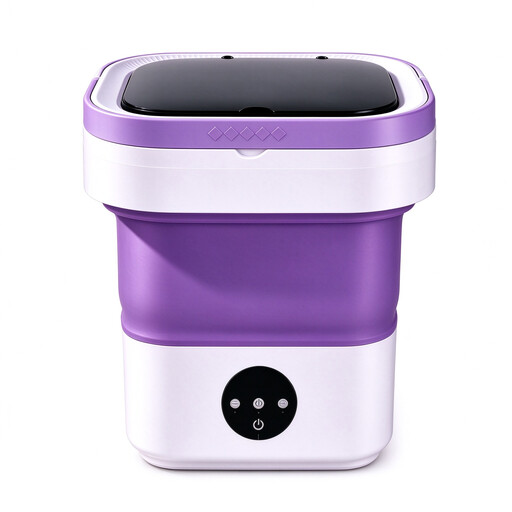 No image available
The product description says it can wash and dry small textiles. Check that the permitted load and drying function are suitable for your flannels.
The product name describes a foldable, portable design.
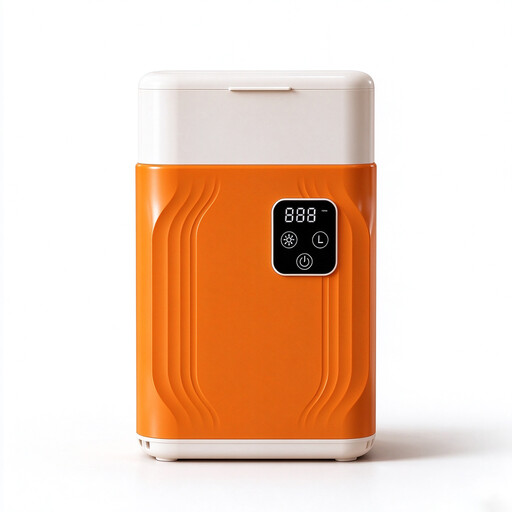 No image available
This compact option is designed for small loads of textiles; check that the permitted load and drying function suit the number of flannels you want to wash.
The product name describes a foldable design and gives the model number HB-222.
 No image available
A washer-dryer for anyone who doesn’t want to transfer clothes part-way through; bear in mind the lower drying capacity when running a continuous cycle.
Washing capacity: 8 kg. Drying capacity: 5 kg.
The drying capacity limits the load for a continuous wash-and-dry cycle. Check the programme duration and label figures for the exact model.
 No image available
A washer-dryer for anyone who wants to wash and dry clothes in one appliance; compare the drying capacity with the load you intend to wash.
Washing capacity: 9 kg. Drying capacity: 6 kg.
The drying capacity limits the load for a continuous wash-and-dry cycle. Check the programme duration and label figures for the exact model.
No, not as a general rule for every everyday wash. Milieu Centraal says a lower temperature is usually sufficient for everyday laundry and notes specific situations where 60 °C may be advisable. Follow the care label too, and don’t treat general buying advice as a medical hygiene requirement.
First check the manual for the exact model and the connections at your chosen location. The Consumentenbond recommends, among other things, a firm, level surface, removing the transit bolts, connecting the water supply and drainage correctly, and using an earthed socket.
Choose a load and programme to suit the fabric, measure detergent according to the packaging and allow for the lower drying capacity. Milieu Centraal recommends an eco programme for normally soiled laundry; follow the manufacturer’s instructions for maintenance.
No. According to the Dutch government, there is no fixed statutory guarantee period in the Netherlands; what you can expect from a product depends, among other things, on the type of product and the information provided. If a product is faulty, contact the seller. A manufacturer’s guarantee or an extended guarantee you’ve bought is separate from this.
EU energy labelling rules apply to household washer-dryers. For the exact model, check the figures for the relevant washing and wash-and-dry cycles; don’t look only at the washing class.