
People washing aprons made from different fabrics
You wash aprons that may have different care instructions and want to check whether each one can be machine-washed and tumble-dried.


First, check the care label on each apron to see whether it can be machine-washed and tumble-dried: washable does not automatically mean suitable for the tumble dryer. A washer-dryer could be a good fit if you have limited space and want to dry suitable aprons without moving them between machines. If you only dry them occasionally, or they are not suitable for tumble drying, washing and hanging them up may be more practical.
You wash aprons that may have different care instructions and want to check whether each one can be machine-washed and tumble-dried.
You have room for one appliance and want to wash and dry suitable aprons without moving them between machines.
You wash several aprons at once and want to take the drying capacity and the time for a complete cycle into account.
Start by checking the care labels on your aprons, then decide whether you use the drying function often enough to justify a washer-dryer. A combined cycle is suitable only for aprons that can be tumble-dried and fit within the drying capacity.
A good fit if: you have space for one appliance and regularly want to wash and dry suitable aprons straight away.
Keep in mind: the drying capacity may be lower than the washing capacity. The Consumers' Association also points out that drying takes longer and uses more energy than with separate appliances.
A good fit if: you use the drying function frequently and want to compare heat-pump models by programme and energy use.
Keep in mind: a lower drying temperature or a manufacturer's claim about fabric care does not make an apron suitable for tumble drying if its care label says otherwise.
A good fit if: your aprons are not suitable for tumble drying, you can spread out your seasonal washing or you rarely use the drying function.
Keep in mind: you will need to make time and space to hang the aprons up.
| What to consider | What should you check? | Who is this most relevant to? |
|---|---|---|
| Apron and programme | Check the washing and drying symbols on each apron and choose a suitable programme for the exact appliance. | I don't want to dry aprons made from different fabrics incorrectly. For consumers who mainly want to check whether an apron is suitable, this is the key question; around 36% are in this group. |
| Space and convenience | Measure the space available and decide whether you really need the drying function. | I have limited space and would rather wash and dry suitable aprons in one appliance. Around 29% of consumers are mainly concerned with space and convenience. |
| Drying load and time | Compare the stated capacity for washing and drying, and check how long the full cycle takes. | If I wash several suitable aprons at once, I want to know whether they will all fit in one drying load. For around 21% of consumers, load size and cycle time come first. |
| Energy and water use | Compare the EU label figures for washing only with those for washing and drying, and consider how many drying cycles you expect to run. | I want to weigh up energy and water use against how often I actually tumble-dry aprons. Around 14% of consumers are mainly concerned with energy use and running costs. |
The European Commission explains that the EU label includes information such as energy use per 100 cycles, water use per cycle and programme duration. Compare figures for the same type of cycle: an energy rating for washing only does not tell you the same thing as information about washing and drying.
The Bosch WNA13400EU is listed as having an 8 kg capacity for washing only and 5 kg for washing and drying. A load above the drying limit cannot simply be dried in the same cycle.
Compare your intended load with the drying capacity for the exact model and programme.
An oversized drying load may mean extra handling or a second drying cycle.
Washing and drying symbols indicate different treatments. Instructions for one apron do not automatically apply to other aprons.
Check the care label on each apron before starting a combined cycle, and remove any aprons that are not suitable for tumble drying after washing.
If you use the drying function regularly, the energy and water use of the full wash-and-dry cycle also matter.
For the exact model, compare figures for the same type of cycle and check the EU label. Also consider how many drying cycles you expect to run.
A comparison that only covers washing does not give you the full picture of electricity and water use for combined cycles.
Paid-for additional cover is not the same as your statutory rights. According to the Dutch government, there is no fixed statutory guarantee period in the Netherlands.
Check exactly what additional cover includes, and remember that your statutory rights for faulty goods are separate.
The Dutch WNA13400EU is listed as having an 8 kg washing capacity and a 5 kg capacity for washing and drying.
The GD3R509S0 is listed as having a 9 kg washing capacity and a 6 kg drying capacity.
The LWR9706C8 offers a heat-pump option for comparing drying technology and programmes.
The WTI370 WPM PWash is listed as a washer-dryer with an 8 kg washing capacity and a 5 kg drying capacity.
These product options range from compact appliances for small fabric loads to washer-dryers. Check the care label on each apron and make sure the stated drying capacity is suitable for your load.
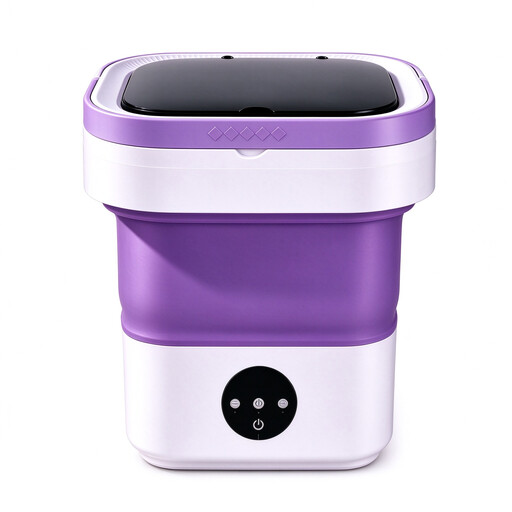 No image available
The product description refers to a foldable appliance for small washing and drying loads. Check whether your apron fits within the intended load and complies with its care-label instructions.
Stated capacity: 12 l. The description warns you to keep the hot-air outlet clear during drying.
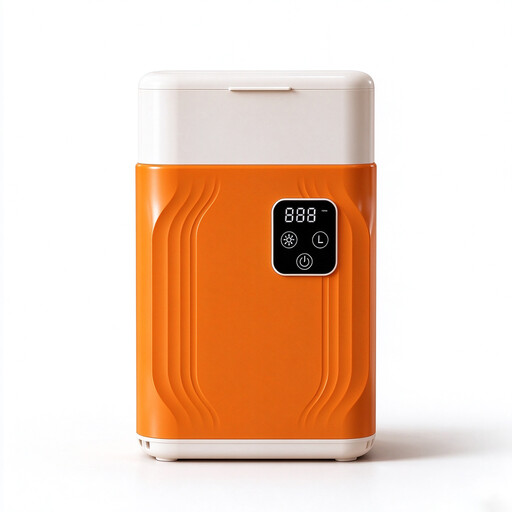 No image available
The product title describes a compact, portable appliance with washing and drying functions. Check whether it is suitable for the size and fabric of your aprons.
Keep the air outlet clear during drying and avoid direct contact with the hot outlet.
 No image available
A freestanding washer-dryer for anyone with space for one appliance who wants to dry aprons that their care labels say are suitable for tumble drying.
Stated capacity: 9 kg for washing and 5 kg for drying. The product title lists 1.400 rpm; the drying load may be smaller than the washing load.
 No image available
A washer-dryer for anyone who wants to wash and dry in one appliance. Check whether tumble drying is permitted for each apron.
Stated capacity: 9 kg for washing and 5 kg for drying. The product title lists 1.400 rpm; a load above the drying limit must be reduced or split before drying.
 No image available
This washer-dryer could be a good fit if you have limited space and want to wash and dry aprons that their care labels say are suitable for tumble drying.
Stated capacity: 8 kg for washing only and 5 kg for washing and drying. Bosch lists AutoDry for this model; a full washing load will not necessarily fit within the drying limit.
No. Check the care label on each apron individually: being machine-washable does not automatically mean it can be tumble-dried. Follow the instructions for the specific garment.
Check the dimensions, positioning instructions and connection requirements in the manual for your chosen model. The Dutch Fire Service recommends connecting high-power appliances directly to a wall socket rather than using a cable reel or extension lead. This is general safety advice, not a model-specific installation requirement.
Check the EU label for the exact appliance and compare the information for washing and drying. Then estimate how many combined cycles you are likely to use. If the care label allows you to hang the apron up to dry, you can skip the drying cycle; your actual energy and water use will depend on how you use the appliance.
No. According to the Dutch government, there is no fixed statutory guarantee period in the Netherlands. Depending on the circumstances, you may have statutory remedies if a product is faulty; any separate manufacturer's guarantee is in addition to these.