
Vandaag of morgen in huis

Kwaliteit gegarandeerd

Welkomstaanbiedingen ontgrendelen: GRATIS bezorging | Tot 80% korting | Gratis 30 dagen JoyPlus-proefperiode
Download de app
Spicy food enthusiasts know it well: the sharp, tingling sensation of wasabi is one of a kind. It's the kick you crave in a savoury nut or a crunchy snack. But the search for high-quality wasabi snacks can often end in disappointment. You buy a bag expecting that signature heat, only to taste mostly salt or a vague, powdery flavour.
Many wasabi snacks fall into two common pitfalls:
As a Product Recommendation Officer at Joybuy, I'm here to help you navigate these pitfalls. This guide provides practical advice to help you find the wasabi snacks that truly match your taste.
Before making a purchase, it's helpful to examine three core elements of the snack. This will help you see past the marketing and make an informed decision.
The vehicle for the wasabi flavour largely determines the texture and overall eating experience. The most common options are:
The term "wasabi" on the packaging isn't always what it seems. Real wasabi, from the Wasabia japonica plant, is expensive and has a complex, fresh heat that dissipates quickly. Most spicy Asian snacks use a substitute. Check the ingredients list for:
There's nothing wrong with horseradish-based snacks, but it's good to know what to expect.
A good wasabi snack is more than just spicy. The balance between heat, saltiness, and any sweetness is crucial. A glance at the nutritional information can be helpful. A high sugar content can dampen the wasabi experience. Texture is equally important; you're looking for crunchy snacks where the coating isn't too thick or too soft, but provides the perfect crunch.
Based on product specifications and the diverse preferences of snack lovers, we've highlighted a few options that suit specific profiles.
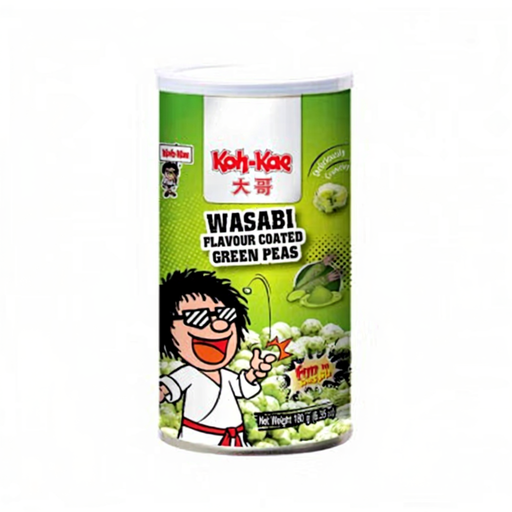
Why This Fits Their Persona: This is a reliable choice for drinks or parties. The flavour is familiar, and the crunchy texture of the peas is exactly what you'd expect from a classic wasabi snack.
This product delivers the expected sharp kick from horseradish and mustard, without the distraction of excessive sweetness. The focus is on the classic wasabi pea experience.
The 180g packaging is ideal for sharing. The peas have a consistent, hard, and crunchy texture.
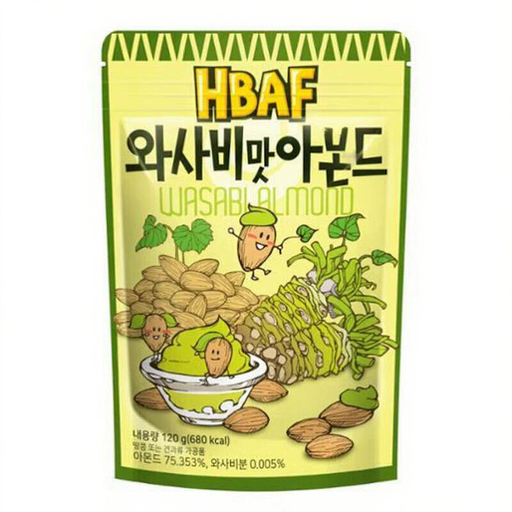
Why This Fits Their Persona: For those looking to go beyond peas or peanuts. The combination of premium almonds with a complex, sweet-and-spicy wasabi coating offers a more refined snacking experience.
HBAF is known for its balanced flavours. The sweet syrup glaze balances the sharp mustard and wasabi seasoning, creating a layered flavour profile rather than a one-dimensional heat.
Made with high-quality whole almonds. The coating is fine and powdery, ensuring an intense flavour in every bite.

Why This Fits Their Persona: This snack is extremely light and crispy. It's an excellent choice for anyone seeking a flavourful but non-filling treat. The wasabi kick is present without the heaviness of a fried coating.
This product avoids the pitfall of being a heavy, high-calorie snack. The flavour comes from a light seasoning on the seaweed itself, not a thick batter. The ingredients list is short and straightforward.
Very light and crispy texture. The convenient 5g portion packs help maintain freshness and make them easy to take on the go.
We have compiled a complete, up-to-date list of products that meet these selection criteria and comply with current regulations.
Real wasabi (Wasabia japonica) provides a heat that you feel primarily in your nasal passages and which fades relatively quickly. Most wasabi snacks use a mix of horseradish and mustard. This heat is felt more on the tongue and lingers longer. Both can be delicious, but the taste experience is different.
Air and moisture are the biggest enemies of crunchy snacks. Always store opened packages in an airtight container in a cool, dry place. Avoid the refrigerator, as condensation can make the snacks go soft.
That depends on the type of snack and the portion size. Roasted seaweed snacks are generally light and low in calories. Wasabi peas and nuts contain more calories, fats, and proteins. Pay close attention to the coating; a thick, fried layer adds more fat and calories than a light seasoning. Read the nutritional information on the packaging to make a conscious choice.
