
Vandaag of morgen in huis

Kwaliteit gegarandeerd

Welkomstaanbiedingen ontgrendelen: GRATIS bezorging | Tot 80% korting | Gratis 30 dagen JoyPlus-proefperiode
Download de app
Warm hoodies and jumpers may seem easy to compare at first glance. But small differences in fabric, fit and care can make a big difference to everyday wear. A hoodie that looks thick online may simply have a loose fit. A jumper with a soft inside may need more care than you expect.
Keep an eye out for these common pitfalls:
A cotton hoodie often feels soft and substantial. Polyester can help the garment retain its shape and dry more quickly. A blend combines these qualities, but the exact proportions vary by product.
Fabric weight is sometimes given in gsm, or grams per square metre. A higher gsm figure usually means a heavier fabric, but that doesn’t automatically mean the garment will feel warmer in every situation. A 330 gsm hoodie, for example, is made quite differently from a lightweight jumper for wearing indoors.
A fleece hoodie often has a brushed or soft inner surface. However, check whether the product information specifically mentions a fleece lining. “Fleece” in the title alone doesn’t always tell you anything about the thickness or composition.
Don’t just look at S, M, L or XL. Check the chest, waist and length measurements, as well as any information about the cut. An oversized jumper is designed to be roomier than a regular fit. For a plus-size jumper, check the measurements for the specific style; an XL can vary between brands and styles.
If you want to wear layers, such as a T-shirt or lightweight long-sleeved top underneath, extra room can feel more comfortable. For cycling or outdoor work, a close-fitting hem can help keep draughts out.
A hooded sweatshirt is practical for everyday wear, but pay attention to the details:
No detail can make up for choosing the wrong size. Check the returns policy and care instructions before you order, too.
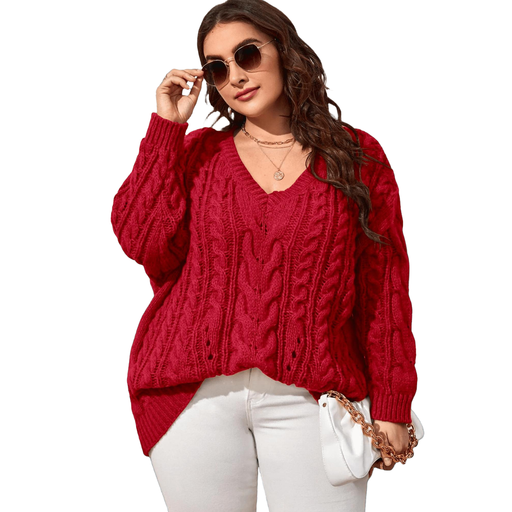
Why it suits this shopper: This style is designed with a roomy fit for women and a casual look for autumn and winter. The product title specifies plus size, a V-neck and an oversized design.
The description clearly states the style and specified size. Before buying, check the full size guide and the latest material specifications.
V-neck, long sleeves and a roomy plus-size fit, according to the product title.
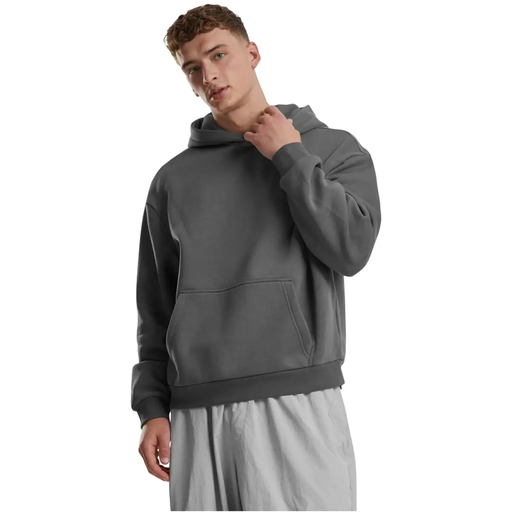
Why it suits this shopper: This men’s hoodie combines a relaxed fit with substantial sweatshirt fabric. It’s a good match for everyday wear and casual streetwear.
The product information specifies a fabric weight of 330 gsm and a composition of 70% cotton and 30% polyester. So you don’t have to rely on the word “fluffy” alone.
330 gsm sweatshirt fabric, a cotton-polyester blend, a hood, a pocket and ribbed cuffs.

Why it suits this shopper: The fleece lining, cuffs, elasticated waistband and kangaroo pocket make this a practical choice for cold days and regular everyday wear.
The description lists specific features rather than making a vague claim about warmth. The care instructions specify a maximum temperature of 30 °C and say not to tumble dry.
Fleece lining, a drawstring hood, a roomy kangaroo pocket and a composition of 60% cotton and 40% polyester.
Wash hoodies and jumpers according to the care label. The Urban Classics hoody’s care instructions recommend washing it in cold water with similar colours and a mild detergent. Line drying or tumble-drying on a low heat is also mentioned. For the US POLO Assn. hoodie, the product information specifies a maximum temperature of 30 °C, no tumble drying and no bleach.
It’s best to turn dark casual streetwear inside out before washing. Don’t use a higher temperature just because a garment feels thick. If a heavy jumper is prone to losing its shape, dry it flat or support it well while it dries. Always check the sewn-in label, as product details can vary between versions.
For autumn and winter, wearing layers is often more practical than choosing one very thick garment. A cotton hoodie under a coat offers a different mix of comfort and freedom of movement from wearing a thick fleece hoodie on its own.
We’ve put together a complete, up-to-date list of products that meet these strict selection criteria and the applicable European safety regulations.
Look at the combination of fabric weight, lining, cuffs and hood. A fleece hoodie may have a soft inner surface, while substantial sweatshirt fabric mainly provides structure and coverage. Also check whether the fit leaves room for an extra layer.
Measure a well-fitting garment you already own and compare its chest, length and sleeve measurements with the size guide. An oversized jumper is designed to have extra room. Don’t automatically go up a size without checking the measurements.
Not necessarily. The cost mainly depends on how often you wash it, the temperature you use and how you dry it. Washing at the recommended temperature and air-drying can save energy. Always follow the product label, especially if the description advises against using a tumble dryer.
