
Vandaag of morgen in huis

Kwaliteit gegarandeerd

Welkomstaanbiedingen ontgrendelen: GRATIS bezorging | Tot 80% korting | Gratis 30 dagen JoyPlus-proefperiode
Download de app
Anyone looking for warm clothing for women and men will soon come across winter coats, fleece jackets, hoodies and sweatshirts. However, thick fabric does not automatically mean that a garment is suitable for a cold cycle ride, a rainy day at work or a walk along the dunes. The right choice depends on the material, fit and intended use.
A fleece jacket or sweatshirt may feel pleasantly warm, but it usually does not offer full protection against wind and precipitation. For cycling to work or outdoor activities, you will often need a jacket with a water-repellent or waterproof outer layer. So check whether the product description mentions seams, zips and the type of coating.
Also pay attention to the difference between water-repellent and waterproof. A water-repellent finish can temporarily repel light rain. That does not automatically mean that a jacket will keep out heavy rain for an extended period.
A size M can fit differently depending on the brand and model. A jacket with a roomy fit leaves space for a hoodie or sweatshirt, while a close-fitting model is less suitable for wearing in layers. So check the chest, waist and hip measurements in centimetres and compare them with a garment you already find comfortable.
Terms such as “all-weather”, “stormproof” or “24-hour warmth” sound convincing, but they are only useful when the underlying specifications are clear. For example, according to PELLIOT’s own product description, a water column of 35,900 mm H₂O and breathability of 16,000 g/m²/24 hours are stated. These are verifiable product specifications, but they still do not tell you exactly how a jacket will feel in every individual situation.
For everyday use, cotton blends are comfortable and easy to combine with other garments. According to the product information, the Nike FC Fleece Hoodie DC9024-410 M uses a blend of cotton and polyester fleece. Its loose fit allows for layering, while the hood can provide additional coverage.
For a winter coat, you will often see polyester filling, down or a fleece lining. According to the product description, the Urban Classics Basic Puffer Jacket with Hood has an outer layer made from 100% polyamide, a polyester lining and polyester filling. This gives you a clear indication of its construction, but always check the care label as well.
For rainy conditions, practical details include an adjustable hood, cuffs, a drawstring at the hem and secure pockets. Some outdoor jackets also specify taped seams and a water column.
The product description for the The North Face Quest Jacket mentions a fully seam-sealed, waterproof and windproof DryVent construction with a mesh lining. These are claims from the brand’s product information, so present them as product specifications rather than a guarantee for every weather situation.
A warm jacket should not only provide insulation but also allow enough freedom of movement. For everyday use, a regular fit can be comfortable. If you want to wear a jacket over a thick sweatshirt or fleece jacket, it is best to check the size chart and the stated product measurements.
With women’s and men’s clothing, look out for differences in shoulder width, sleeve length and hip measurements. A long parka protects more of your body from the wind, while a short jacket is often more convenient for cycling or driving.
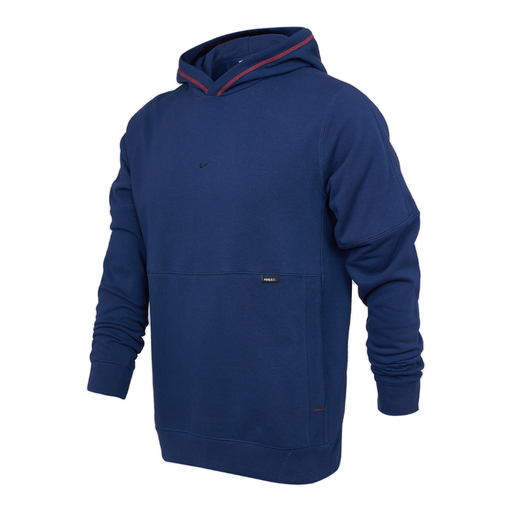
Why it suits this profile: This fleece hoodie is suitable for relaxing at home, running errands and creating casual outfits. Its loose fit makes it easy to combine with a T-shirt or jacket.
The product information specifically mentions a cotton-polyester blend, fleece and an adjustable hood. The hoodie is not claimed to be waterproof.
Fleece lining, ribbed trims, adjustable hood and a loose fit for everyday use.

Why it suits this profile: If you are looking for one jacket for changing conditions, you can wear the two layers separately or together, according to the product description.
The 3-in-1 construction makes it clear how the insulating inner layer and protective outer layer are used. However, check the exact size to allow for layering.
Two wearable layers, 550 fill power down according to the product information and an adjustable hood.

Why it suits this profile: The 3-in-1 construction is designed for camping, hiking, travelling and everyday commuting when the weather can change.
According to its own product description, a water column of 35,900 mm H₂O, breathability of 16,000 g/m²/24 hours and adjustable features are specified. Check the current product specifications when buying.
Outer layer and inner lining that can be worn separately, adjustable hood and sizes from S to XXXL.
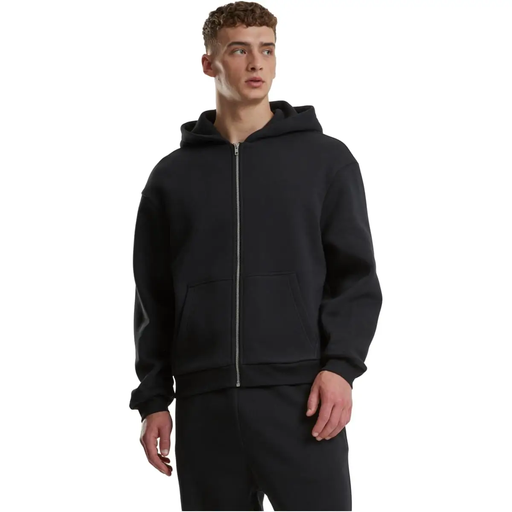
Why it suits this profile: This zipped hoodie works well with casual clothing, for travelling and on relaxed days when you want to add an extra layer quickly.
The product information mentions a brushed inside, adjustable hood and side pockets. The hoodie is not presented as a waterproof jacket.
70% cotton and 30% polyester, full zip fastening, drawstring in the hood and regular fit.
For ordinary cold days, a three-layer system is often practical:
For light activity, a thick sweatshirt may be enough. For walking, cycling or travelling, an outer layer with a hood, secure pockets and adjustable cuffs is often more practical. Do not forget sweatpants if you are looking for a comfortable casual outfit; choose an elasticated waistband and check the fabric composition.
Wash clothing according to the label. Some products can be washed at 30 or 40 degrees, while other items must not be tumble dried. A water-repellent coating may also need maintenance according to the manufacturer’s instructions.
We have put together a complete, up-to-date list of products that fully meet these strict selection criteria and the applicable European safety regulations.
For everyday use, a fleece hoodie, sweatshirt or lightweight puffer jacket are practical choices. In rain or strong winds, add a waterproof outer layer. Above all, consider the fit, care requirements and whether the garment can be layered.
Its lifespan depends on the material, how often it is worn, washing and drying. Wash at the recommended temperature, fasten zips before washing and avoid a hot tumble dryer when the label does not allow it. With jackets, also check the coating and seams regularly.
As well as the purchase price, washing, drying and maintenance all play a part. Clothing that can be washed at a low temperature and air dried can be practical for everyday use. Always follow the specific care advice on the label.
