
Vandaag of morgen in huis

Kwaliteit gegarandeerd

Welkomstaanbiedingen ontgrendelen: GRATIS bezorging | Tot 80% korting | Gratis 30 dagen JoyPlus-proefperiode
Download de app
Buying walnuts may seem straightforward, but different packs can contain very different products. Are you looking for shelled walnuts to add to a salad, walnuts in their shells to crack at your leisure, or a sweet Chinese snack? Don’t rely on the picture or words such as “natural” or “premium” alone.
Three common pitfalls to watch out for:
Pure walnuts should have a short ingredients list. For example, Haoxiangni Thin-Shelled Walnuts 500g lists walnut as an ingredient and comes in eight packs. An unroasted nut mix has a different composition: the g'woon mix contains 30% hazelnuts, 30% walnuts, 20% almonds and 20% cashews.
Biscuits and filled snacks often contain several ingredients alongside walnuts. HaoChiDian Crispy Walnut Cookies contain, among other things, wheat flour, sugar, vegetable oil, peanuts, egg, milk and walnuts. The quantitative declaration states that walnuts make up at least 0.2% of the product. So these are better described as walnut-flavoured biscuits than a product for anyone looking for a sizeable amount of walnuts.
Always check the allergens. Walnuts are tree nuts. Some products also contain peanuts, milk, soya, sesame, egg or gluten. If in doubt, follow the information on the product packaging.
The right form depends on how you plan to use them:
Also look out for terms such as “unroasted”. An unroasted nut mix is not the same as a pack of pure walnuts. The preparation method, added ingredients and proportion of each nut all affect the flavour and how you can use it.
Compare products per 100 grams, not just per pack. A small pack of biscuits may seem cheaper, while a 500-gram pack of walnuts may be better suited to regular use.
The nutritional values in the product information vary. Be&Cheery paper-shell walnuts list 74.9 grams of fat and 738 kcal per 100 grams. The Sihong date combination lists 549 kcal per 100 grams, with 60.5 grams of carbohydrates and 12.1 grams of sugars. The dates account for some of this difference.
A nut product can fit into a balanced diet, but “healthy nut snack” doesn’t tell you much on its own. Consider portion size, ingredients, allergens and nutritional values together. Some products are described as nutritious or natural in the brands’ own information; always check those claims against the label.
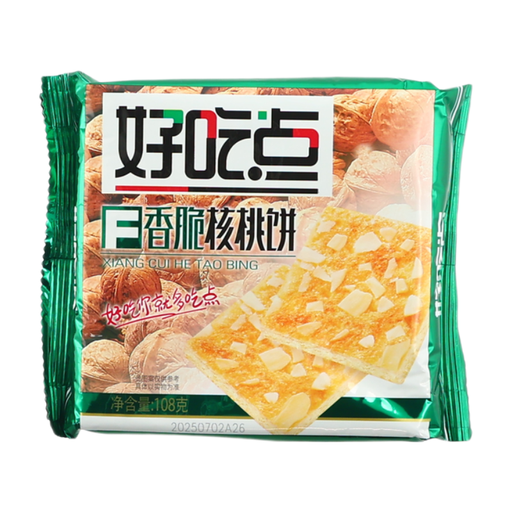
Why it suits this profile: The compact 108-gram pack is a handy choice if you want to try a Chinese walnut snack or are looking for biscuits to enjoy with tea.
The product information clearly states that walnuts make up at least 0.2% of the recipe, so you can judge the walnut content accurately.
Ready to eat; suitable as a snack or with tea; allergens are clearly listed.
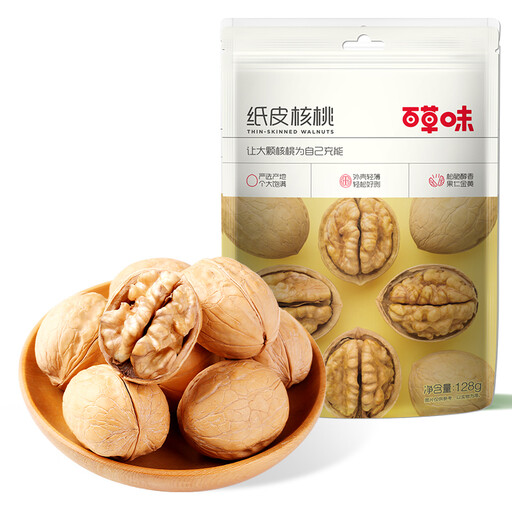
Why it suits this profile: The thin shells and individual packaging are a good fit if you like cracking walnuts yourself and opening one portion at a time.
The product description says no additives have been added and makes clear that the walnuts are still in their shells. So you won’t mistakenly buy shelled kernels.
Walnuts as the ingredient; 128-gram pack; individual portions; ready to eat once cracked.
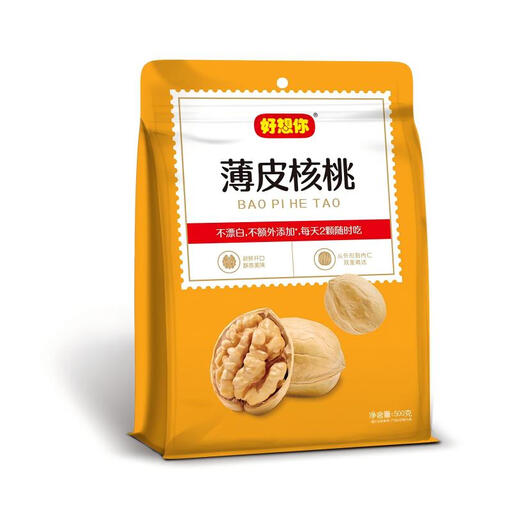
Why it suits this profile: The 500-gram quantity is well suited to families, home cooks and anyone who regularly uses walnuts for baking, cooking or snacking.
The product information states that the pack contains eight portions and has thin shells. You can see in advance that these are walnuts in their shells and that portioning them is an option.
500 grams net weight; eight packs; walnut is the only listed ingredient; ready to eat once cracked.
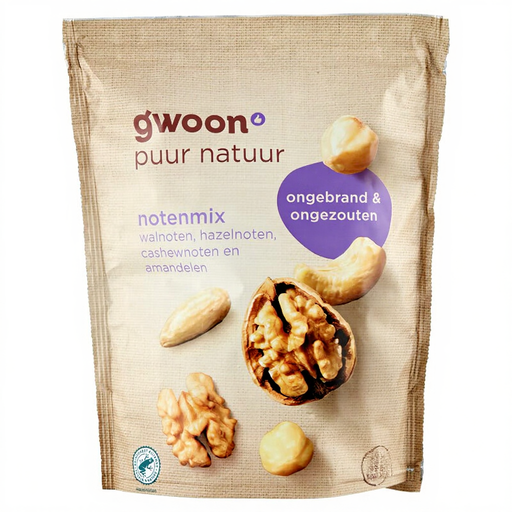
Why it suits this profile: Half a kilo of unroasted, unsalted nuts is handy if you’re after variety in one bag, rather than just pecans and walnuts.
The proportions are listed: 30% hazelnuts, 30% walnuts, 20% almonds and 20% cashews. So you know this isn’t a pack of pure walnuts.
500 grams; described as unroasted and unsalted in the product information; four types of nuts; listed as containing 0 grams of salt per 100 grams.
We’ve put together a complete, up-to-date list of products that meet these strict selection criteria and the applicable European safety regulations.
Store walnuts as directed on the label, usually in a cool, dry place away from direct sunlight. Seal an opened pack tightly to help prevent moisture and odours from getting in. A nutcracker is more practical than household scissors for walnuts in their shells; only use tools for their intended purpose.
For baking, roughly chop shelled walnuts. They work well in salads with fruit, cheese or grains. Dates with walnuts are ready to eat, while walnut powder is prepared with hot water, according to the product information. Use walnut oil in cold dishes or as directed on the bottle.
It depends on the brand, origin, packaging and selling price. For walnuts in their shells, compare the net weight with the amount of edible kernel. The shells count towards the pack weight, whereas shelled walnuts are ready to use.
Always check the best-before date on the packaging. Store opened walnuts in a cool, dry, airtight place. Don’t taste or smell them further if they taste stale, have become damp or the packaging is damaged.
It depends on the product. Pure Chinese walnuts have a different composition from walnut biscuits, dates with walnuts or a sweet nut mix. Check the ingredients label, portion size, allergens and nutritional values before choosing.
