
Workshop baker making small batches
You mainly want to chop walnuts for one apple pie at a time, and be able to stop quickly to check the size of the pieces. Manufacturers list nuts as a suitable ingredient for specific chopper models.


If you mainly chop small quantities of walnuts, start with a compact chopper whose manufacturer lists nuts as a suitable ingredient. A food processor is a better fit if you also want to slice, grate or mix ingredients during your workshop. With either type, check the permitted quantity per batch: the stated bowl capacity doesn’t tell you how many walnuts you can process at a time.
You mainly want to chop walnuts for one apple pie at a time, and be able to stop quickly to check the size of the pieces. Manufacturers list nuts as a suitable ingredient for specific chopper models.
You prepare several batches in succession, so you compare the working bowl, attachments and cleaning involved. The stated bowl capacity isn’t the same as a confirmed capacity for processing nuts.
You want to handle walnuts and shared equipment with care. The Netherlands Food and Consumer Product Safety Authority sets out specific information requirements for businesses selling unpackaged food; these do not automatically apply to every private workshop.
First, choose between an appliance designed mainly for chopping and a food processor that handles several kitchen tasks. Then compare the controls, working bowl and cleaning requirements for your workshop.
Choose this if: you mainly chop small quantities of walnuts and want to keep the amount of worktop space to a minimum.
Bear in mind: you may need to work in more batches when making several pies. A chopper won’t offer the same range of slicing and grating tasks as a food processor.
Choose this if: you want to slice, grate or mix ingredients as well as chop them.
Bear in mind: extra attachments need storage space and take longer to clean. A larger stated bowl capacity doesn’t tell you how many walnuts you can chop per batch.
| What to consider | What should you check? | Who is this important for? |
|---|---|---|
| Size of the pieces | Check whether the manufacturer lists nuts as suitable for the exact model and whether you can operate the appliance in short bursts. | If I want to check the pieces as I go, I look for controls that let me pause the appliance. Around 33% of consumers prioritise control over the size of the pieces. |
| Several batches in succession | Compare the working bowl with the quantity of walnuts permitted per batch in the model instructions. | If I’m preparing for several baking groups in a row, I want to know how many batches the process will take. Around 27% of consumers prioritise processing successive batches. |
| Cleaning and allergens | Check how to clean and dismantle the bowl and blade; don’t rely on a general dishwasher-safe claim alone. | If I’m sharing equipment during a workshop, I want to handle walnuts as an allergen with care and keep kitchen equipment clean. Around 27% of consumers prioritise cleaning and allergen management. |
| Extra functions | Check which blades, discs and bowls come with the exact model and whether you’ll use those functions. | If I want to use the same appliance for other recipes too, I look at which functions will genuinely come in handy. Around 13% of consumers prioritise extra kitchen functions. |
A capacity figure describes the bowl, not how many walnuts you can chop at once according to the instructions.
Check the instructions for the exact model and, if in doubt, plan to work in separate batches.
You may need extra batches when preparing several portions.
A food processor may include slicing and grating attachments, while compact choppers are specifically listed for chopping nuts.
Only choose extra functions if you’ll use them outside the workshop too.
Extra attachments need storage space and may mean more cleaning.
A cleaning specification for parts doesn’t, by itself, tell you whether a dish is suitable for someone with a nut allergy.
Ask about allergies in advance, handle shared equipment with care and follow the cleaning instructions for each part. Don’t promise a nut-free pie unless you have an appropriate process in place.
These brands are worth considering when choosing between a nut chopper and a food processor with extra functions. The features listed apply to the relevant product ranges and models.
Philips lists nuts as a suitable ingredient for the compact HR1393/00 chopper.
Le Micro is a compact chopper with a steel blade and pulse button; Magimix lists nuts as an ingredient. The Mini Plus is a separate multifunctional range.
The MultiTalent 3 MCM3501M is a food processor for anyone who wants to slice, grate and mix as well as chop.
According to Kenwood, the MultiPro Go Blend FDP23.380RD combines a chopping blade and pulse function with slicing, grating and blending attachments.
According to Braun, the PurEase FP 3132 BK is a multifunctional food processor with chopping, slicing, grating and mixing functions.
These are compact choppers for anyone who wants to chop walnuts for apple pie. Check the permitted quantity, controls and cleaning instructions for each version.
 No image available
The product description lists nuts as suitable for speed II and states that two bowls are included, each with a blade set.
Capacity: 2 l and 0.6 l. Power: 300 W.
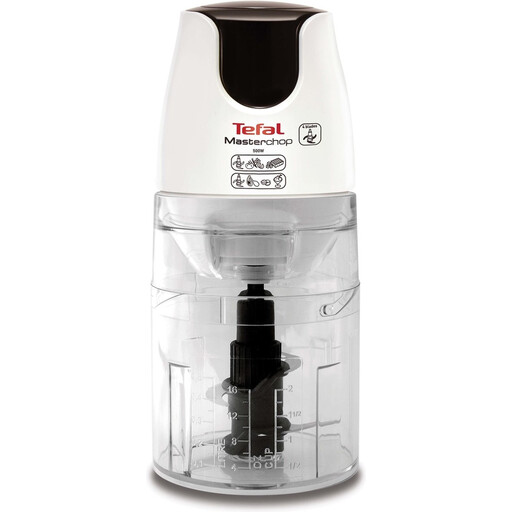 No image available
The product description lists nuts as a suitable ingredient for this chopper.
Usable bowl capacity: 500 ml. Power: 500 W. The bowl, lid and blades are described as dishwasher-safe.
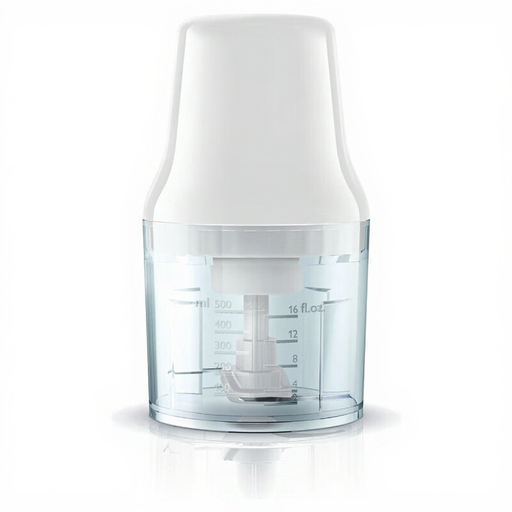 No image available
Philips lists nuts as a suitable ingredient for the HR1393/00; the product description mentions Easy Press controls.
Usable capacity: 0.5 l. Check the model instructions for the permitted quantity per batch.
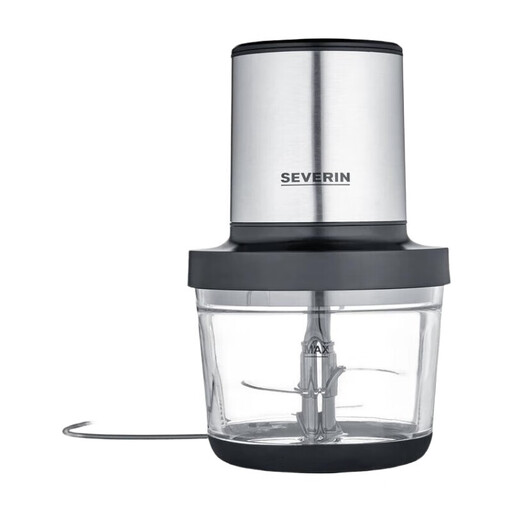 No image available
The product description lists nuts and a pulse button for short bursts.
Glass bowl: 1,000 ml. Power: 400 W. The description lists stainless steel blades.
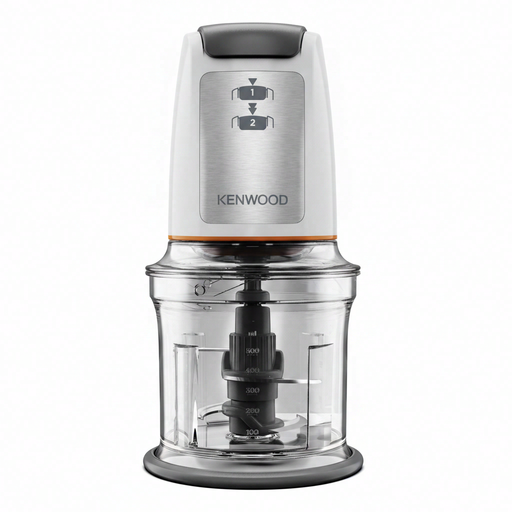 No image available
The product description lists nuts, four stainless steel blades and two speeds.
Bowl: 500 ml. Don’t use the appliance for more than 30 seconds at a time, then allow it to cool for 2 minutes.
If your model’s instructions allow it, use short bursts and check the pieces as you go. Braun describes the pulse function as a way to pause processing, but this doesn’t guarantee a particular size of piece.
It depends on the model and the part. Kenwood lists the dishwasher-safe parts for the FDP23.380RD separately; Bosch says that accessories for the MCM3501M are generally dishwasher-safe. Before cleaning, check the instructions for the bowl, blade and lid supplied with your version.
For a consumer purchase in the Netherlands, the seller is your point of contact for legal protection if a product doesn’t meet the terms of the agreement. The Dutch Government states that there is no single statutory warranty period; a manufacturer’s warranty is in addition to your legal rights. For a business purchase, check the applicable terms and conditions.
If you’re a business offering unpackaged apple pie in a situation where the rules apply, the Netherlands Food and Consumer Product Safety Authority says you must provide allergen information; for nuts, you must specify which nut. Whether this applies to a particular workshop depends, among other things, on how the pie is offered. Also bear in mind that some participants may have a nut allergy.
The Netherlands Food and Consumer Product Safety Authority states that CE marking is compulsory for electrical products where the applicable rules require it. Check which rules apply to the specific appliance, and look at its marking and product documentation. A general product description doesn’t confirm that an individual item meets all the requirements.