
Vandaag of morgen in huis

Kwaliteit gegarandeerd

Welkomstaanbiedingen ontgrendelen: GRATIS bezorging | Tot 80% korting | Gratis 30 dagen JoyPlus-proefperiode
Download de app
Want to give a room a complete makeover without painting or drilling? Wall stickers seem like the perfect solution. They're affordable, the options are endless, and they're easy to apply. But in practice, things can be trickier. Many people end up with stickers that pull paint off the wall, look cheap, or are riddled with air bubbles.
As a Joybuy Product Recommendation Officer, I see where things go wrong every day. To help you avoid disappointment, I've compiled the most common pitfalls and the key factors to consider.
Before you get tempted by a pretty picture, be aware of these common problems:
To avoid these issues, it's wise to pay attention to a few technical specifications. This is where you distinguish between a bad purchase and an investment you'll enjoy for years.
The material determines the look and durability. Most stickers are made of PVC (vinyl), but the quality varies enormously.
Also, pay attention to the adhesive layer. Look for specifications that indicate a high-quality, removable adhesive designed for walls, especially if you're choosing removable wall stickers.
Not all stickers are purely decorative. Consider your goal:
The most critical factor for a good result is the wall itself. Wall stickers only adhere properly to a smooth, clean, and dry surface.
Do you have a wall with textured paint or another form of stucco finish? Then there's a high chance the sticker won't adhere well. The uneven texture creates air pockets behind the sticker, causing it to peel off quickly. When in doubt, always test on an inconspicuous spot first.
To get you started, we've highlighted a few popular choices that suit different needs and situations.
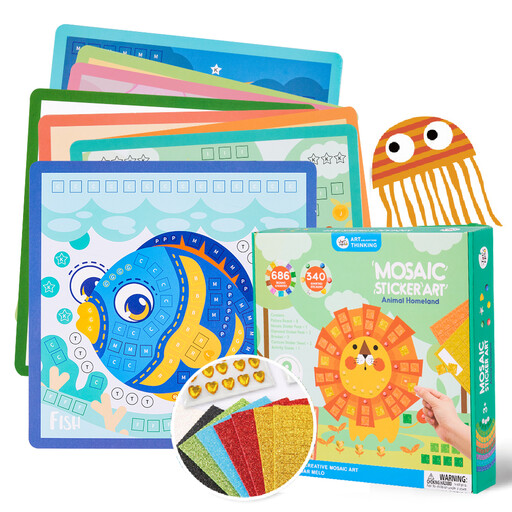
Why This Fits Their Persona: Perfect for a screen-free afternoon. This set includes everything needed to create 8 animal artworks. No glue, no scissors, no mess. It's a calm, focused activity that's ideal for travel or a rainy day.
This is a craft kit, not permanent wall decor. The pitfall of wall damage is therefore not applicable. The focus is on the creative activity and the proud end result.
Complete set with 8 projects and stands to display the artworks. Promotes fine motor skills, color recognition, and concentration.
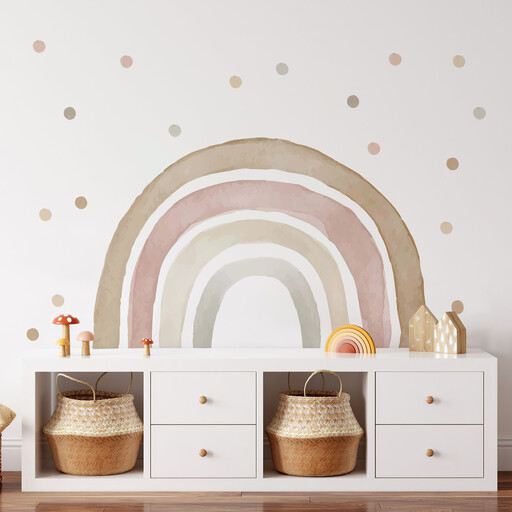
Why This Fits Their Persona: Adds a subtle, modern accent to a bare wall without permanent changes. The soft rainbow colors and minimalist design fit well with a Scandinavian or modern interior. Ideal for rental homes.
The canvas texture with a matte finish prevents the cheap, glossy plastic look. The material is designed for smooth walls and can be applied and removed with care.
Premium look that resembles art, not a sticker. The texture reduces glare and provides deeper, richer color reproduction.
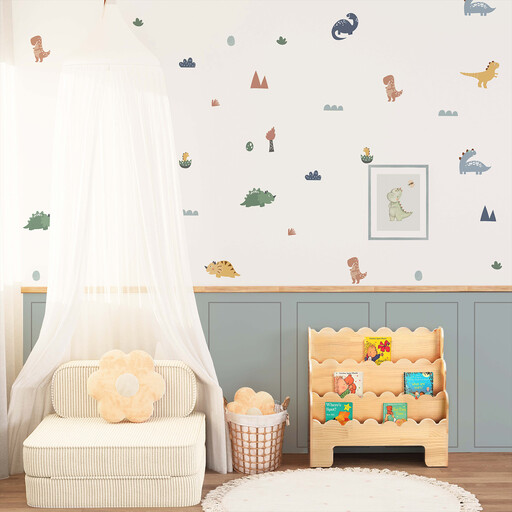
Why This Fits Their Persona: Transforms an entire wall into a prehistoric play world. Perfect for a kids' room wall sticker with a big impact. The set is large enough to create a true feature wall.
The separate, pre-cut elements make application manageable and prevent the frustration of one giant, unwieldy sheet. The matte canvas texture ensures a high-quality look.
Very large size (up to 4.5 m? coverage) for a full wall. The flexible layout allows you to arrange the stickers around furniture like a bed or wardrobe.
We've compiled a complete, up-to-date list of products that meet these strict selection criteria.
1. How do I remove wall stickers without damaging the paint? Patience is key here. Gently heat the sticker with a hairdryer on a low setting. The heat will soften the adhesive. Then, slowly peel the sticker off at a sharp angle (almost flat against the wall). Do not rush the process.
2. Do wall stickers work on a textured wall (like stucco)? Generally, no. For proper adhesion, a sticker needs a completely smooth surface. On a textured wall, the sticker cannot make full contact, allowing air to get behind it and causing it to peel off quickly. The result is often disappointing.
3. How long do wall stickers last? This depends heavily on the quality of the sticker, the surface, and the conditions. A high-quality sticker on a well-prepared wall can last for several years. Factors like direct sunlight (which can fade colors) and humidity (for example, in a bathroom) can shorten its lifespan.
