
Vandaag of morgen in huis

Kwaliteit gegarandeerd

Welkomstaanbiedingen ontgrendelen: GRATIS bezorging | Tot 80% korting | Gratis 30 dagen JoyPlus-proefperiode
Download de app
A pair of walking shoes may look sturdy and versatile on a product page, but that doesn’t necessarily mean they’re right for your route. A flat cycle path, muddy woodland trail and rocky mountainside all call for different features. Choosing the right pair can help prevent blisters, an unstable feel and premature wear.
A deep tread may look suitable for outdoor use, but the rubber compound, lug shape and sole stiffness all affect how a shoe performs. A deep sole may work well in mud, but feel less comfortable on tarmac.
So don’t rely on terms such as “outdoor”, “hiking shoes” or “mountain shoes” alone. Check which terrain the manufacturer recommends the shoes for: woodland, rocky ground, loose surfaces, tarmac or a combination.
A membrane or water-repellent upper can help in the rain and on wet grass. However, it won’t stop water getting in through the opening or prevent the shoe from staying wet for a long time. A breathable mesh upper often dries more quickly, but generally offers less protection in prolonged rain.
Choose a waterproof construction if you often walk in wet conditions. For summer walks, ventilation may be more important.
Shoes that are too narrow, too short or too roomy will usually remain uncomfortable. Pay attention to both length and width. Leave some room for your toes when walking downhill, but make sure your heel doesn’t slip. If possible, try walking shoes on with the socks you’ll wear when walking.
Sizes vary between brands and models, so always check the size guide and the stated foot length, if available.
For walks on unpaved paths, rubber outsoles with multidirectional lugs are a practical choice. The lugs can provide extra grip on loose ground and mud, but performance depends on the surface and how worn the sole is.
A model with a Vibram outsole may appeal to walkers who value grip and durability. The brand name alone doesn’t mean every version performs in the same way. Check which sole variant is actually listed for the product.
Take extra care when choosing shoes for mountaineering: low-cut walking shoes aren’t automatically suitable for technical climbs, crampons or alpine routes. Check the stiffness, ankle support and any specific restrictions on use.
Cushioning affects how a shoe feels on longer walks. An EVA, Cloudfoam, React or similar midsole may, according to the product description, provide a softer or more responsive feel underfoot. This ultimately comes down to personal preference.
For hilly terrain, a firm heel counter, secure lacing and a stable sole matter more than an especially soft construction. Trail running shoes are often lighter and more flexible than traditional mountain boots. They’re well suited to brisk walks and mixed terrain, but don’t always offer the same support as a stiffer walking shoe.
Mesh and textile generally promote airflow. Synthetic reinforcements can offer extra protection when you brush against branches and rocks. Leather or thicker synthetic materials may feel more robust, but often take longer to dry.
Clean outdoor shoes with a soft brush or damp cloth, following the care instructions. Avoid harsh cleaning products and let them dry naturally. Heat from a radiator can damage adhesives and materials.
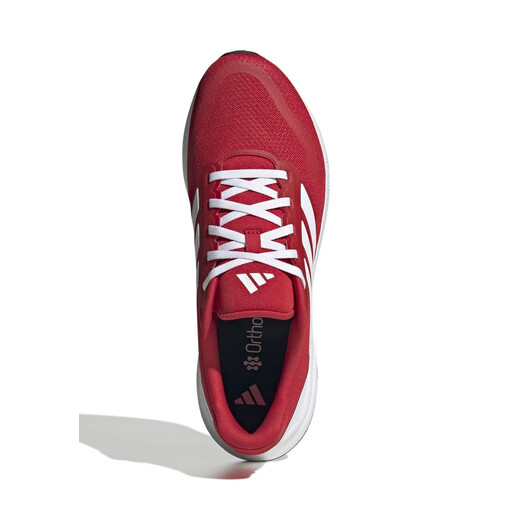
Why it suits this type of walker: According to the product description, this model is designed for everyday running and short distances. It may therefore suit beginners who mainly walk on tarmac, park paths and well-maintained routes.
The product information outlines its intended use, size and care instructions. Don’t use these shoes as a substitute for sturdy mountain boots on rocky terrain.
Cloudfoam midsole, mesh upper and Adiwear outsole, according to the product description; size 44 2/3.

Why it suits this type of walker: A good choice for walkers who often tackle muddy or mixed trails and value protection in wet conditions.
The product description lists GORE-TEX and a Contagrip TA sole. Before buying, check that the fit and size are right for your feet.
GORE-TEX membrane, deep outsole grooves, Quicklace system and EnergyCell+ midsole, according to the product information.
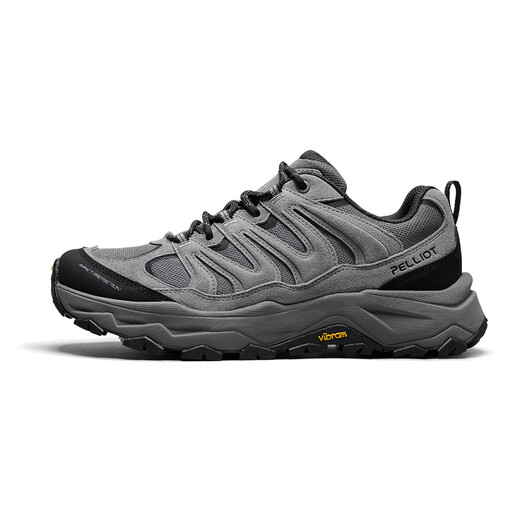
Why it suits this type of walker: An option for anyone specifically looking for walking shoes with a Vibram outsole for walks on unpaved terrain.
The sole variant is clearly stated in the product name. Also check the fit, ankle height and intended terrain before using these shoes for mountaineering.
Vibram outsole, according to the product name; men’s version in dark grey, EU size 43.
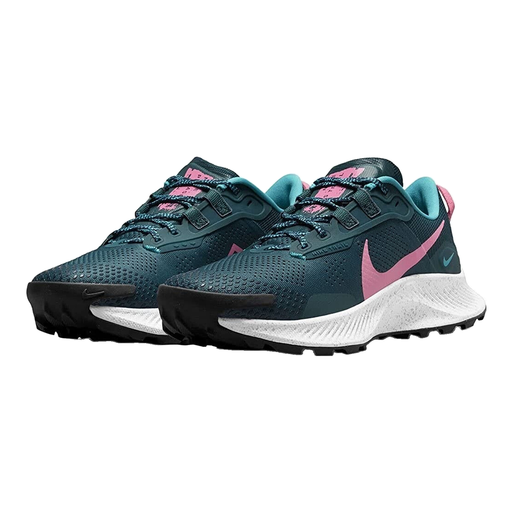
Why it suits this type of walker: A good fit for anyone who combines trail running, city streets and outdoor activities, and is looking for a more flexible model.
The product description mentions both trail and urban use. This makes it easier to match the shoe to mixed terrain than one described simply as an outdoor shoe.
React midsole, mesh and synthetic upper, multidirectional lugs, and reinforced toe and heel, according to the product information.
We’ve put together a complete, up-to-date list of products that meet these strict selection criteria and the applicable European safety regulations.
It depends on how often you wear them, the terrain, your body weight, how well you care for them and how worn the soles are. Check the tread, seams and cushioning regularly. Replace your shoes when the soles become visibly smooth, the upper starts to come away or the fit changes as you walk.
Trail running shoes can work well for light to moderate walks, especially if low weight and flexibility are important to you. Rough mountain trails or a heavy backpack may call for more stability and protection. Compare the sole, heel construction and support with the terrain you’ll be walking on.
The main differences often come down to sizing, width, the shape of the last and the colours available. Don’t choose based only on whether a shoe is labelled men’s or women’s; focus instead on foot length, heel fit and toe room. A good fit matters more than the label on the product page.
