
Vandaag of morgen in huis

Kwaliteit gegarandeerd

Welkomstaanbiedingen ontgrendelen: GRATIS bezorging | Tot 80% korting | Gratis 30 dagen JoyPlus-proefperiode
Download de app
Walking shoes may look similar, but they can differ considerably in fit, grip, cushioning and protection. A lightweight pair for walks around town performs very differently from sturdy hiking boots on wet ground. If you choose based only on colour, brand or discount, you could end up with shoes that pinch, feel slippery or wear out sooner than expected.
The right choice depends on how you plan to use them. Do you mainly walk on paved paths, need men's or women's walking shoes for woodland trails, or want hiking shoes for hilly terrain? Trail running and road running call for different features from a leisurely walk.
A deeply treaded sole can provide good grip in mud, but may feel less comfortable on tarmac. Conversely, flat soles wear out more quickly if you often use them on stones, roots or loose earth. So check the tread pattern and the type of ground the shoe is designed for.
A membrane such as GORE-TEX can help keep water out while allowing ventilation, according to the product description. That doesn’t mean every waterproof walking shoe will keep your feet dry in all conditions. Water can get in through the tongue, seams or top of the shoe. And a shoe that allows less air through may feel warmer.
A size 43 in one model may fit differently from a size 43 in another. Check the size chart, foot length in millimetres and available fit. Fit is especially important with men's and women's walking shoes, as foot width and heel shape vary between models.
For walking routes in the Netherlands, a rubber outsole with a clearly defined tread is usually practical. Deeper lugs are useful on woodland trails and wet clay. For long distances on tarmac, a less aggressive tread may feel more comfortable.
When choosing hiking shoes and hiking boots, look out for:
Cushioning is particularly relevant for long walks, trail running and road running. An EVA or foam midsole can help absorb impact, according to the product description. The amount of cushioning is a matter of personal preference: a soft shoe feels comfortable, while a firmer model may offer more stability on uneven ground.
Consider the weight, too. Lightweight outdoor shoes are practical for day trips and everyday wear. For rocky routes or a heavy rucksack, extra support around the heel and toe may matter more than low weight.
A mesh upper generally allows more air through than a fully enclosed material. This is useful in warm weather, but won’t offer the same protection from rain. Reinforcements around the toe and heel can help protect against knocks and rubbing.
Choose waterproof walking shoes only if you really need that feature. For dry summer walks, a breathable, non-waterproof model may feel more comfortable. Check the care instructions, too. Some shoes should only be cleaned with a damp cloth and must not go in the washing machine or tumble dryer.
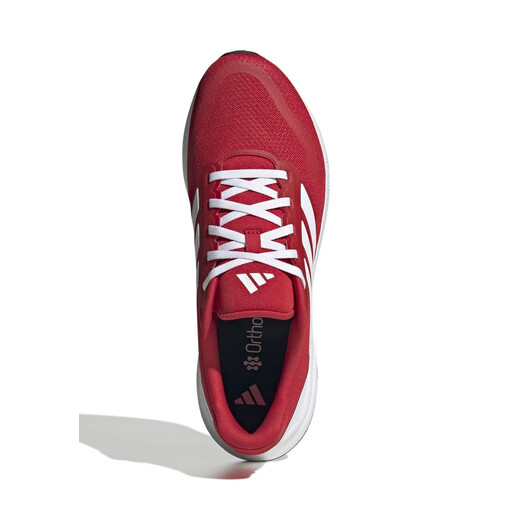
Why it suits this type of user: According to the product description, this model is designed for road use and short runs of 0–10 km. That makes it a good fit for everyday wear, walks around town and light recreational activities.
It’s clearly described as being for road and everyday use. So don’t expect a hiking boot for muddy or rocky routes.
Cloudfoam midsole, mesh upper, Ortholite insole and Adiwear outsole, according to the product details.

Why it suits this type of user: According to the product description, this women's model is designed for trail running on muddy and mixed terrain. With GORE-TEX, a treaded sole and Quicklace, it’s a good choice for shoppers looking for specific outdoor features.
The product description sets out the intended terrain and key design features. Be sure to check the fit, and bear in mind that deep lugs may feel less flexible on tarmac.
GORE-TEX membrane, Contagrip TA sole with deep lugs, SensiFit construction and EnergyCell+ midsole, according to the product details.

Why it suits this type of user: The product information describes this unisex model as suitable for road-to-trail use and a range of terrain. It may suit anyone looking for one pair for running, light trails and outdoor activities.
The product details list both a standard and a narrow fit. So check the fit before ordering rather than relying on the EU size alone.
Mesh and woven upper, EVA midsole and ROCKYTEC rubber sole. Vibram Megagrip is listed only for certain versions, according to the product information.
We’ve put together a complete, up-to-date list of products that meet these strict selection criteria and the applicable European safety regulations.
Their lifespan depends on the terrain, distance walked, body weight, care and storage. Pay particular attention to the tread, seams and cushioning. If the tread is visibly worn smooth or the sole is coming away, it’s better to replace the shoes rather than judge them by appearance alone.
Yes, for short walks on tarmac or well-maintained paths. Running shoes often have a lightweight construction and flexible sole. For mud, loose stones, a heavy pack or long hikes in the mountains, hiking shoes or boots are generally more suitable.
Not necessarily. Vibram is a brand name for sole technology; the grip depends on the specific rubber, tread and design. So check the product details for the exact model. A Vibram sole doesn’t make a shoe waterproof either.
