
Vandaag of morgen in huis

Kwaliteit gegarandeerd

Welkomstaanbiedingen ontgrendelen: GRATIS bezorging | Tot 80% korting | Gratis 30 dagen JoyPlus-proefperiode
Download de app
Your walking boots should suit the terrain, the weather and the way you walk. Yet when shopping, it’s easy to focus mainly on colour, brand or a bold label such as “all terrain”. That can leave you with cold feet, blisters or too little grip as soon as you head out of town.
Look out for these three common pitfalls:
Not all outdoor footwear is designed for the same purpose. Low-cut hiking shoes are usually suitable for easy walking routes, town walks and surfaced paths. High-cut walking boots offer more protection around the ankle and can be useful on uneven terrain or when carrying a rucksack.
If speed and low weight are your priorities, trail running shoes are a natural choice. They often have deep lugs and a flexible midsole, but generally provide less ankle support than sturdy mountain boots. For rocky routes, long hikes and changing ground conditions, a stiffer construction is more practical.
When choosing women’s or men’s walking boots, don’t rely on the gender label alone. The shape of the last, heel width and available sizes vary between models. Always check the size guide and read the product page for information about the fit.
Look at the shape, depth and direction of the lugs. A deep tread helps on mud and loose ground, while a closer-set tread is often more comfortable on tarmac. Walking boots with a Vibram sole use a well-known rubber sole technology, but the name alone doesn’t tell you how suitable a model is for your route. The shape of the lugs and the hardness of the rubber matter too.
For trail running, multidirectional lugs are useful if you often turn or accelerate. According to the product description, the Salomon Speedcross 5 GTX W has a Contagrip TA sole with deep grooves, designed for soft and mixed terrain. This is a product feature, not a guarantee of grip in every situation.
Waterproof walking boots are useful in the rain, on wet grass and on muddy paths. Check whether the description mentions a membrane, such as Gore-Tex, and look at the height of the boot and its seams too. A low-cut shoe won’t keep you dry if water runs in from above.
According to the product description for the Salomon Speedcross 5 GTX W, the Gore-Tex membrane helps keep water out while allowing ventilation. The Salomon Spikecross 6 GTX is also listed as having a Gore-Tex membrane in its product information. This information comes from the brand and retailer product descriptions; the actual level of protection also depends on care, fit and conditions of use.
If possible, try on walking boots with the socks you wear on walks. Leave a little room around your toes for longer hikes, but make sure your heel doesn’t lift. Lace the boots securely and walk around in them for a few minutes before deciding.
A soft midsole feels comfortable over short distances. On rocky terrain, a more stable, less flexible sole can give you greater control. If you often walk over stones or roots, look for reinforced toe and heel sections too.
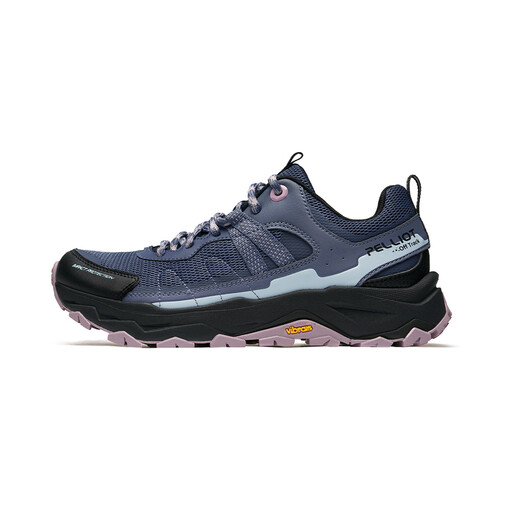
Why it suits this type of walker: A low-cut model for beginners looking for a pair for easy routes, parks and everyday outdoor use.
The product name specifies a size and a low-cut design. Be sure to check the current size guide and water-resistance information before buying.
Women’s model in EU37 with a low-cut design and eye-catching colour combination.

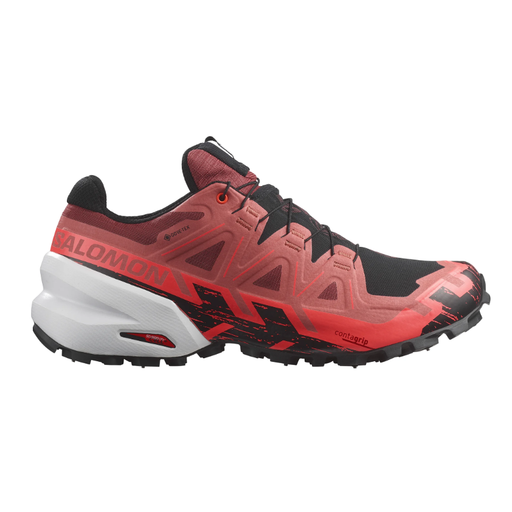
Why it suits this type of walker: Designed for women who combine trail running and walking on muddy or mixed paths.
The description mentions Gore-Tex and deep grooves in the Contagrip TA sole. This makes the water resistance and intended terrain clearer than a general claim such as “all weather”.
Gore-Tex membrane, Contagrip TA sole, Quicklace system and EnergyCell+ midsole, according to the product information.
Why it suits this type of walker: For winter walkers and trail runners looking specifically for shoes for snow, ice and cold conditions.
The product information specifically mentions 12 tungsten steel spikes and a Gore-Tex membrane, clearly setting out its intended use in winter.
Gore-Tex protection and 12 metal spikes, according to the product description; designed for soft snow and ice.
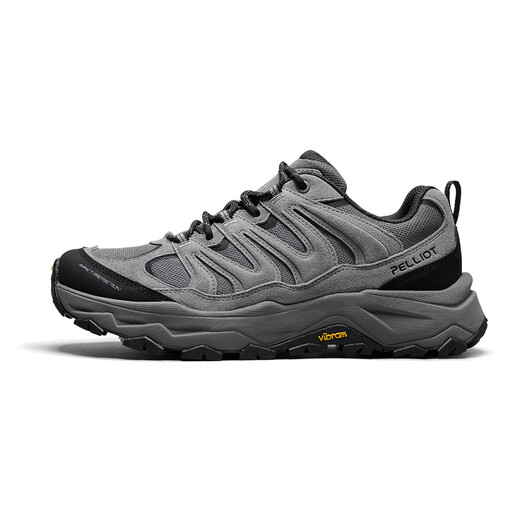
Why it suits this type of walker: A men’s model for anyone looking to combine walking with mountain terrain, featuring a sole identified as Vibram in the product name.
The product name specifies hiking and mountaineering use and mentions a Vibram outsole. Check the fit, sole details and water resistance before buying.
Men’s size EU41 and a Vibram outsole, according to the product name; designed for hiking and mountaineering.
We’ve put together a complete, up-to-date list of products that meet these strict selection criteria and the applicable European safety regulations.
A little space in front of your longest toe helps stop your toes hitting the front of the boot when walking downhill. The exact amount varies depending on your foot and the model. Your heel should still feel secure as you walk. Try boots on with walking socks and check both feet.
Not always. A waterproof membrane helps keep out rain and wet ground, but can feel warmer than a breathable model without a membrane. For summer walks on dry paths, a lighter hiking shoe may be more comfortable. Waterproof walking boots are often more practical in autumn, winter and changeable weather.
Their lifespan depends on the distance you walk, your weight, the terrain, care and storage. After a wet walk, let your boots dry at room temperature and avoid direct heat. Check the soles, seams and cushioning regularly. If the tread is visibly worn or the construction no longer provides support, it’s better to replace them rather than judge them by their appearance alone.
