
Vandaag of morgen in huis

Kwaliteit gegarandeerd

Welkomstaanbiedingen ontgrendelen: GRATIS bezorging | Tot 80% korting | Gratis 30 dagen JoyPlus-proefperiode
Download de app
A waist trainer for tummy control can temporarily shape your waist and provide extra support during everyday activities or a workout. The difference between a useful model and a poor buy usually comes down not to an eye-catching claim on the packaging, but to the fit, material and construction of the band.
If you search online for a triple wrap waist trainer, tummy control band or slimming belt for women, you’re likely to come across the same pitfalls. Keep the following points in mind before you buy.
A band that’s too small is more likely to roll up, chafe as you move and feel uncomfortable. Strong compression doesn’t mean the band should be as tight as possible. You should still be able to breathe and move normally. Always check the size guide for the specific product and measure your waist at the point indicated.
Some product descriptions refer to a “3X sweat boost” or increased calorie burning. These are claims made in the brand’s product information, not guaranteed results. Sweating more mainly means losing fluid. It’s no substitute for a varied diet or regular exercise.
A flattering photo tells you little about comfort. A band with boning can provide extra structure, but may feel more rigid during yoga or while sitting for long periods. Check the number of stays, the width of the straps, the type of fastening and the care instructions.
A commonly used material for a latex waist trainer is a combination of latex and polyester. Feelingirl’s product information states that it contains 35% latex and 65% polyester. Latex can provide firm stretch, while polyester helps the band retain its shape. If you’re sensitive to latex, it’s worth checking the material details first and contacting the seller if you’re unsure.
Look for a breathable or moisture-wicking lining, too. This doesn’t automatically make the band suitable for extended wear, but it may make it more comfortable during a short fitness session.
A tummy control band with multiple straps can distribute pressure gradually. A triple-wrap model has three fastening zones across the tummy and waist. This gives you more ways to adjust the fit than a simple elastic band.
According to the product descriptions, the Feelingirl models mentioned have a design with three straps and five stays. The product pages also specify firm compression and back support. These are product specifications; how the band feels in practice will vary depending on your body shape and activity.
A wider band covers more of your tummy, but may feel less flexible when sitting or bending forwards. A narrower model may be more comfortable for walking or light exercise. So don’t just look at the size, from S to XXL; check the stated band width and consider your height, too.
For yoga, it’s important to have enough freedom of movement. For a short weights session, a firmer model with stays and an adjustable fastening may better suit your needs. A waist trainer with back support is no substitute for medical advice or a professional assessment of back pain.
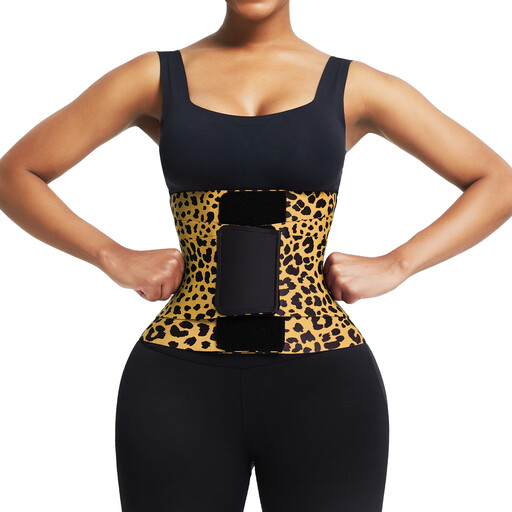
Why it suits this profile: The XXL version is designed for anyone looking for a more generous size who wants to try the adjustability of a triple-wrap model for everyday wear or light exercise.
The size is clearly stated and the design has three adjustable straps. Be sure to check the current size guide before ordering.
35% latex and 65% polyester, five stays and, according to the product page, wide tummy coverage.
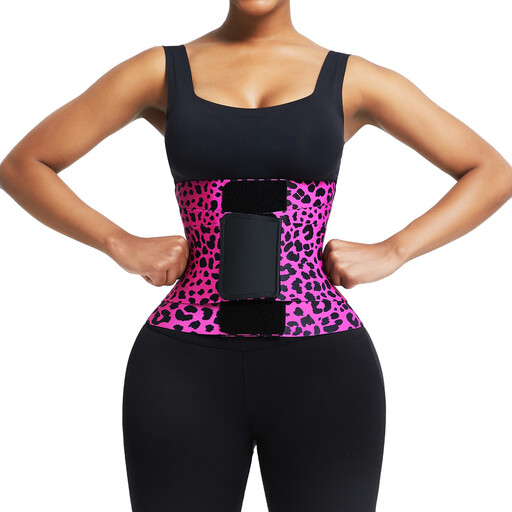
Why it suits this profile: This version is a good fit if you’re looking for a firmer waist trainer with adjustable compression to create a shaped look under clothing or during light activities.
The product information lists the material, number of stays and washing instructions. This makes it easier to compare the band than relying on a model photo alone.
Triple-layer construction, five stays and adjustable straps; made from 35% latex and 65% polyester.
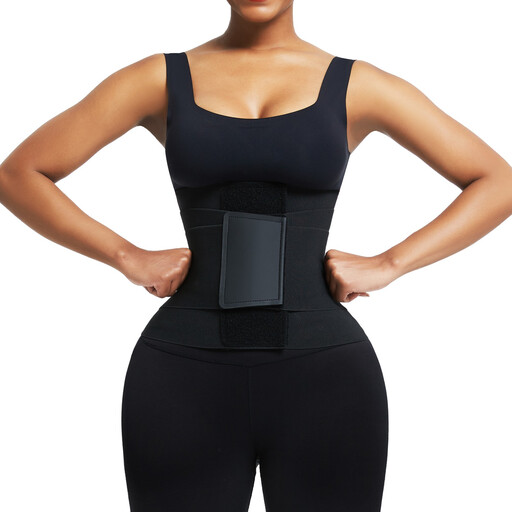
Why it suits this profile: The S version is designed for anyone looking to shape their waist with a compact band for fitness, everyday activities or a short gym session.
The band is adjustable, but firm compression still requires the right size. Gradually build up how long you wear it and stop if you feel pain or shortness of breath.
Three layers, five stays and two wide adjustable straps, according to the product description.
We’ve put together a complete, up-to-date list of products that meet these strict selection criteria and the applicable European safety requirements.
Start by wearing a waist trainer for a short time to see how it feels when walking, sitting and moving. Don’t fasten it so tightly that it restricts your breathing or movement. For exercise, choose an activity where the band won’t get in the way, and take a break if you feel uncomfortable.
Feelingirl’s product information recommends hand-washing: soak the band in water with a small amount of mild alkaline detergent for about three minutes, gently rub it by hand, rinse it and hang it in the shade. Don’t machine-wash or tumble-dry it, wring it out or leave it to dry in direct sunlight.
A postpartum tummy band may seem appealing after pregnancy. However, recovery is different for everyone. If you have pain, a wound or pelvic problems, or you’re unsure, ask a midwife, GP or another qualified healthcare professional for advice.
A waist trainer can temporarily compress your tummy and, according to the product description, increase perspiration. That doesn’t automatically mean you’ll lose fat in a specific area. Above all, choose a model that lets you move safely and breathe normally.
Its lifespan depends on how often you wear it, how much you sweat, the strain on the fastenings and how well you care for it. Hand-washing and air-drying can help keep the material and shape in good condition for longer. Check regularly for tears, loose stays or fastenings that no longer hold securely.
It depends on the person and the model. Start with short periods of wear and don’t wear the band while sleeping. If you experience pain, tingling, shortness of breath or skin irritation, take it off straight away. For medical or postpartum situations, personalised advice is more important than a general product claim.
